 Nic Dunn, CEO, Charle Agency
Amazon Handmade vs Etsy at a Glance
Amazon Handmade is an invitation-style category inside Amazon, while Etsy is an open marketplace built around handmade, vintage and craft supplies. That single difference shapes almost everything else: who can sell, who shops and how much of the brand you get to own.
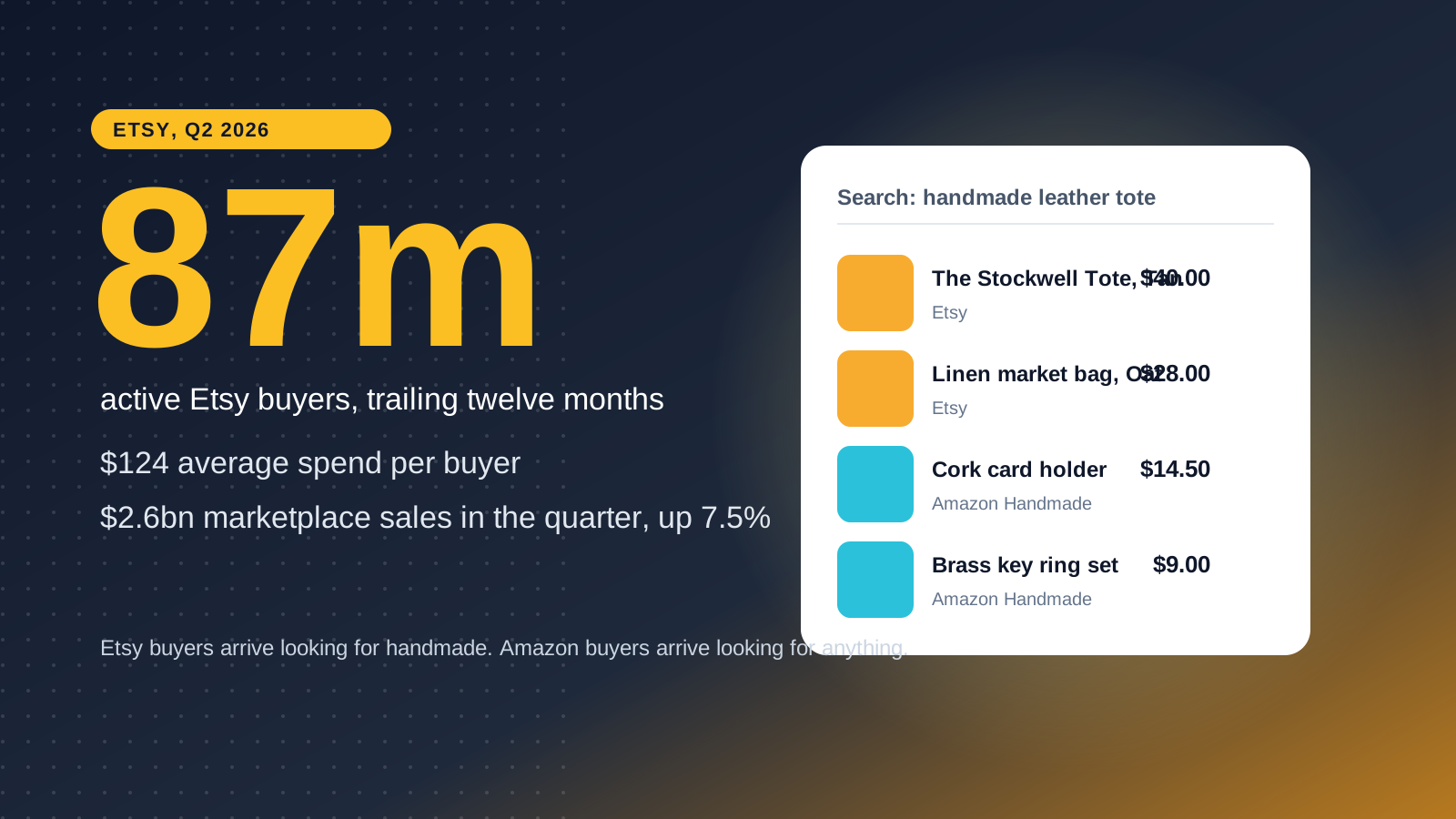
Amazon Handmade launched in 2015 and sits inside Amazon's much larger catalog. You apply, Amazon reviews your craft process, and only approved makers can list. Etsy was founded in 2005, lets anyone open a shop in minutes and enforces its handmade and creativity rules after listings go live. Etsy reported roughly 87 million active buyers in its Q2 2026 results, and Amazon does not publish Handmade buyer numbers.
In short, Etsy is the easier place to start and has buyers who expect handmade goods. Amazon Handmade gives you access to Amazon's traffic and Prime delivery promise but asks for approval, a monthly subscription and acceptance of Amazon's rules. Neither gives you the customer's email address, and neither lets you build a brand outside its templates.
The audience also differs. Etsy's audience is built around unique, vintage and craft items, which is a niche that suits artisans and small makers. Amazon puts handmade goods in front of a general online audience, which means more exposure but also more competition for every click.
How the Fees Compare on a $40 Order
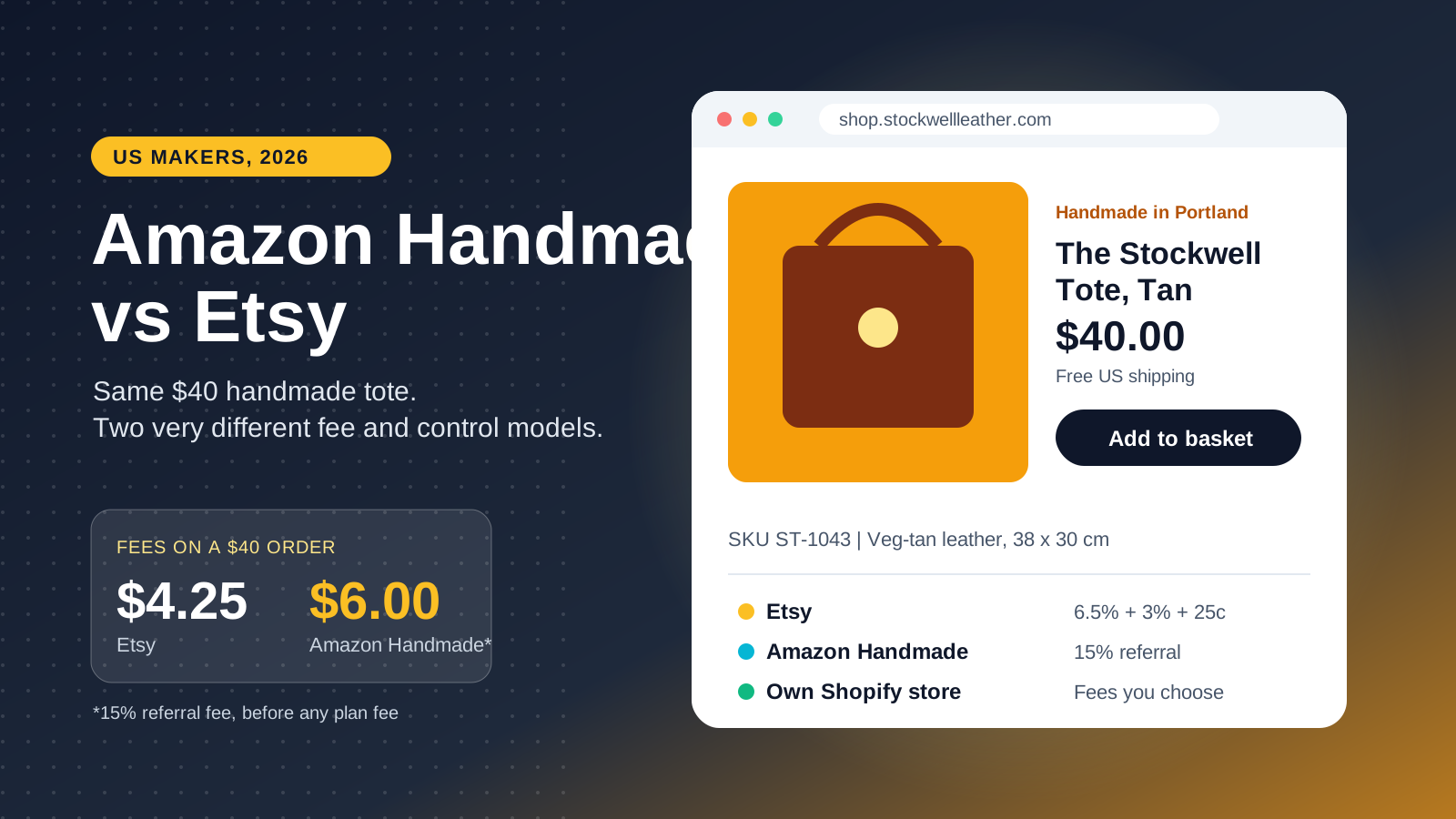
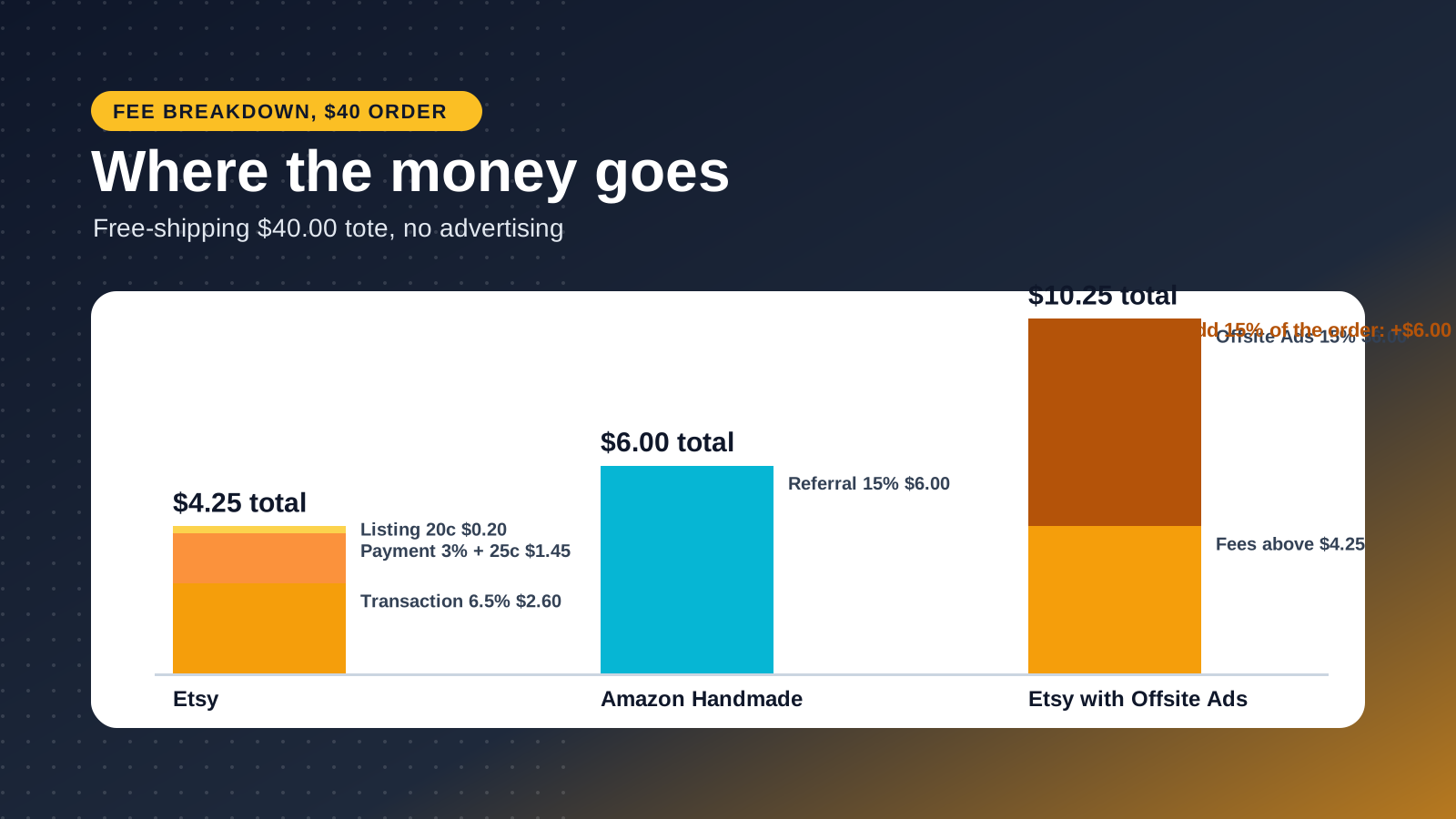
On a $40 order with no advertising, Etsy costs about $4.25 and Amazon Handmade costs about $6.00. Both take roughly a tenth to a seventh of the sale, but Amazon's higher referral rate and any plan fee tilt the balance as your volume changes.
Etsy charges a listing fee of $0.20 per listing every four months or when it sells, a 6.5% transaction fee and, for US sellers, a payment processing fee of 3% plus $0.25. These listing fees are small, but they repeat every four months on listings that have not sold. On a $40 item with shipping built into the price, that works out at $2.60 transaction fee, $1.45 payment processing and $0.20 listing fee: $4.25, or around 10.6% of the sale.
Amazon Handmade charges a 15% referral fee in the US with a minimum of $0.30 per item. That is $6.00 on the same $40 tote. Amazon also offers an Individual and a Professional selling plan, and the Professional plan is $39.99 a month. Amazon has waived the subscription for Handmade sellers in the past, so check Seller Central for the current position before you budget. If the fee applies, it adds about $1.14 an order at 35 orders a month and $4.00 an order at 10 orders a month.
Advertising changes the picture. Etsy runs Offsite Ads and charges 15% of the order value when a sale comes through one, falling to 12% for shops above $10,000 in annual sales, where taking part becomes mandatory. On our $40 tote that adds $6.00 and lifts the Etsy total to $10.25. Amazon sponsored product ads are optional, but in a crowded category most sellers end up paying for visibility. Fees are only one input to your profit margins, so also count packaging, shipping, returns and your own time. Check both platforms' fee pages before you price, because rates, minimums and category rules change several times a year.
Getting In: Approval vs Open Doors
Etsy lets you open a shop and publish listings the same day, whereas Amazon Handmade requires an application and approval before you can sell. For a new maker, that gap matters more than a point of fee difference.
To join Amazon Handmade you apply with details of your craft, your workshop and your products, and Amazon assesses whether the items are truly handmade. Teams are limited in size, and products made with mass production, outsourced manufacturing or print on demand are not eligible. Approval times vary, and some applicants are declined. If you are accepted, you then list inside the Handmade category, which is a gated section of the wider Amazon catalog.
Etsy takes the opposite approach. Setting up a shop takes minutes, you pay a small listing fee and your shop is live. Etsy's rules require items to be made, designed, handpicked or sourced by you, and it disallows reselling, but enforcement happens afterwards through reporting and review. That openness is why Etsy has millions of shops and why standing out is harder.
If you make small batches and want to test demand quickly, start on Etsy. If you already have steady volume, consistent photography and a production process Amazon will accept, applying to Handmade is worth the effort.
Buyers, Traffic and Intent
Etsy buyers go there to find handmade and personalized items, while Amazon shoppers go there to buy almost anything quickly. Intent differs, and so do the products that perform best.
Etsy reported about 87 million active buyers in Q2 2026, spending an average of $124 each over the trailing twelve months, with marketplace sales of $2.6 billion in the quarter, up 7.5% year on year. Those buyers expect individuality, so personalized gifts, custom sizes and small-batch products do well. Amazon's customer base is far larger, and Prime members expect fast delivery and easy returns. Handmade listings sit among millions of mass-produced products, though a Handmade badge and filter help shoppers find them.
Price expectations differ too. Etsy shoppers will pay more for a story, a maker and a personalized touch. Amazon shoppers compare prices, delivery speed and star ratings. A hand-stitched tote at $40 can sell on Etsy on craftsmanship, but on Amazon it competes with a $15 lookalike unless your reviews and photography make the difference.
Competition is the other side of reach. Etsy has millions of shops, so a niche product with a clear story, such as hand-poured soy candles or personalized pet portraits, stands out better than a generic one. On Amazon you compete with every seller in the category on price and delivery speed, including mass-market brands that can undercut a maker's costs.
Search works differently as well. Etsy ranks listings on tags, titles, relevance, recent sales and shop quality. Amazon ranks on conversion history, price, availability and fulfillment method. If you want your products found in both, you will need separate listing copy for each platform rather than copying and pasting.
Shipping, Fulfillment and Customer Service
Amazon can take fulfillment off your hands through Fulfillment by Amazon, whereas Etsy leaves shipping, packing and customer service with you. That is the biggest practical difference once orders start coming in.
On Etsy you pack and ship every order yourself, set your own delivery profiles and answer buyer messages directly. That keeps your packaging personal and your costs low, but it takes time as you scale. Etsy also publishes delivery-time promises that sellers must meet, and its Star Seller programme rewards fast replies and on-time shipping.
Amazon Handmade sellers can use Fulfillment by Amazon (FBA), where Amazon stores, packs, ships and handles returns and customer service. That makes Prime eligibility possible and frees up hours, but it adds storage and fulfillment fees, and it suits standardized, repeatable products better than made-to-order pieces. Amazon also holds sellers to strict performance standards, and an account can be suspended for late shipping, defects or a policy breach.
Payouts differ in timing and control. Etsy pays out on a schedule that depends on your shop's standing, while Amazon pays on a settlement cycle, usually every two weeks. Both hold some funds back for new sellers. If cash flow is tight, read the payment terms before relying on either one.
Branding, Customer Data and Control
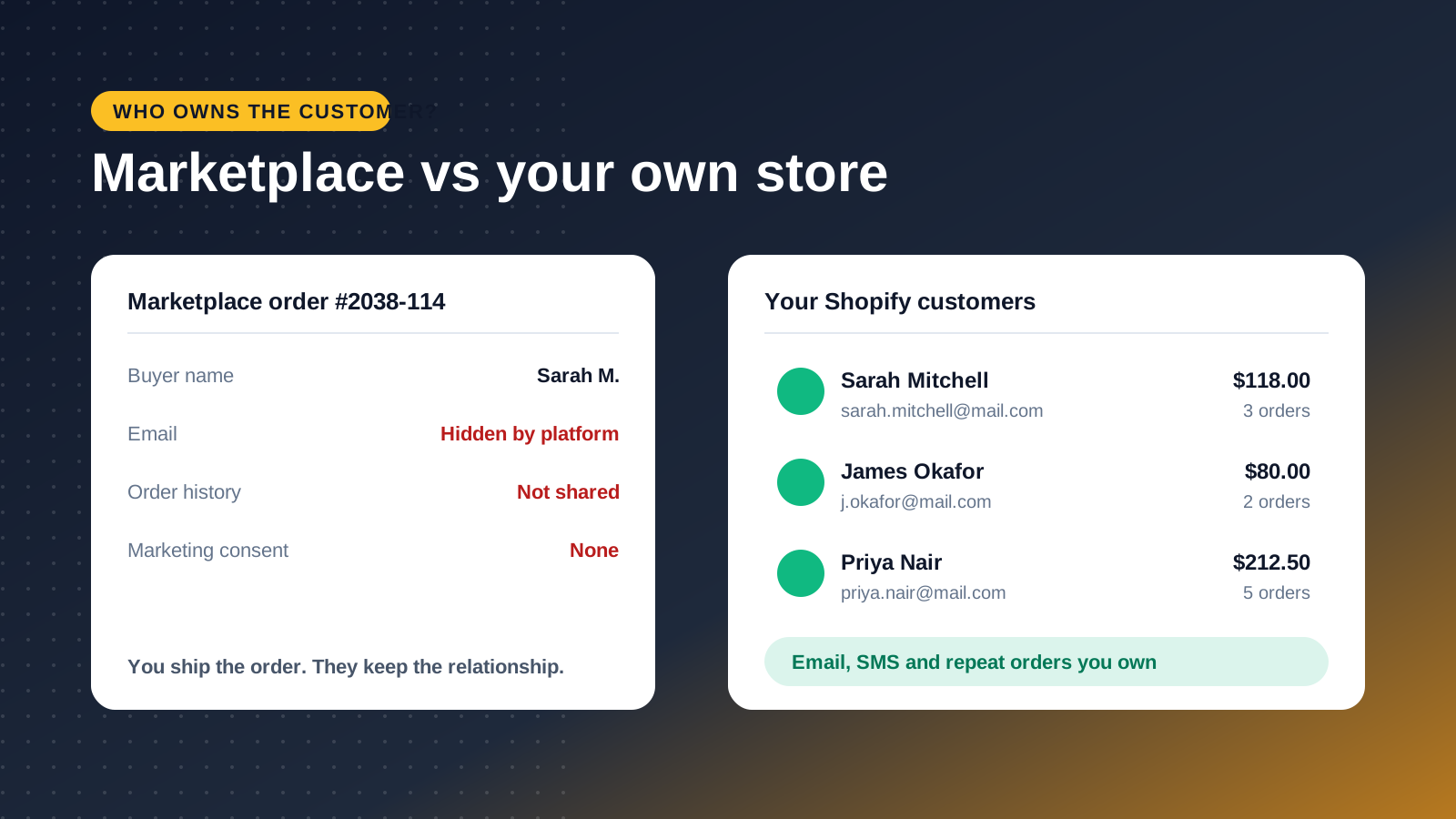
Neither marketplace lets you own the customer relationship. Buyers belong to Etsy or Amazon, and you rent access to them under rules the platform can change.
Etsy gives you a shop page with a banner, an About section and your own product photography, so you get more brand expression than on Amazon. Amazon Handmade gives you a brand storefront and a maker story, but the product detail page is standardized and the Amazon brand dominates. On both platforms, buyer email addresses are not handed over for marketing, so you cannot add customers to a Klaviyo list or run your own win-back campaign from marketplace orders.
That matters because repeat purchase is where margin lives. A customer you can email, text and retarget costs a fraction of one you must pay a marketplace to find again. Fee changes, policy updates and algorithm shifts also sit outside your control. Sellers who built a business entirely on one marketplace tend to feel that risk when the rules move.
This is the main reason many of the brands we work with at Charle run a marketplace and a store together. Marketplaces give them discovery. The store gives them margin, data and brand. Our Etsy vs eBay comparison covers the same trade-off for the other big handmade and resale marketplace.
Which Platform Suits Which Maker?
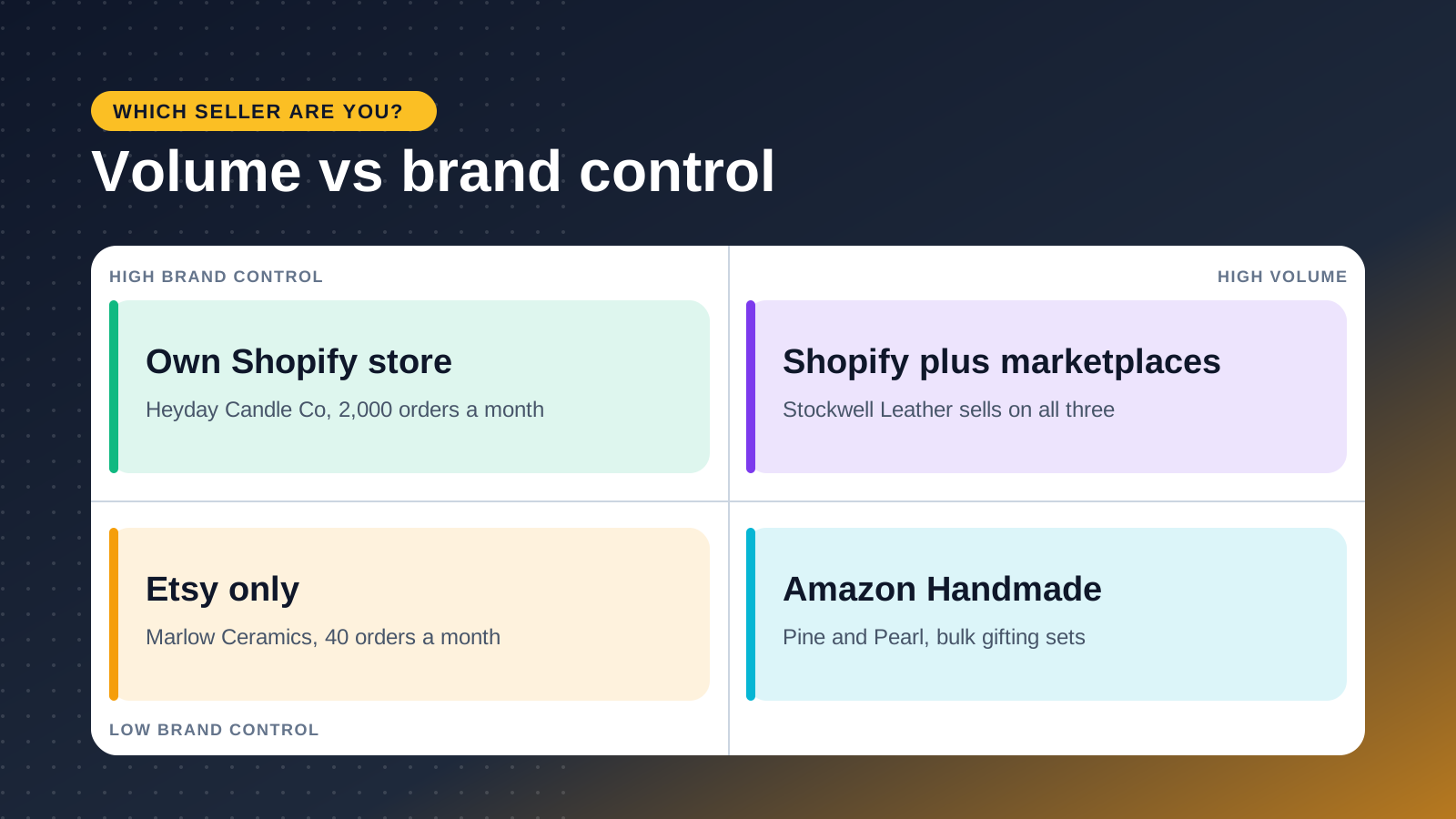
Choose Etsy if you make personalized, small-batch or craft-led products and want to start selling this week. Choose Amazon Handmade if you have repeatable products, steady volume and want Prime-level delivery without packing every order yourself.
The pros of Etsy are fast setup, a buyer base that wants unique products, room for customization and no monthly fee. The cons are heavy competition, mandatory advertising once you pass $10,000 in annual sales and little control over how your shop is presented. The pros of Amazon Handmade are scale, Prime delivery and optional fulfillment, while the cons are an approval process, a subscription, a crowded results page and strict seller rules.
Etsy suits artisans who sell on story and customization: ceramics, custom jewellery, wedding stationery, personalized gifts and craft supplies. The low barrier to entry and community feel suit new sellers, and the fee structure works at low volumes because there is no monthly subscription.
Amazon Handmade suits makers with stable, replicable product lines and the volume to justify the higher referral rate and any plan fee: candles, soap sets, home accessories and gift boxes. FBA becomes attractive once you ship dozens of orders a week and your time is better spent making products than packing them.
Many sellers do both. A product that sells well on Etsy can be tested on Amazon, and a bestseller on Amazon can be given a personalized variant on Etsy. Running two marketplaces does need organized inventory, which is where a store connected to both through multichannel tools helps. If you are already selling through either platform, a good way to judge fit is to compare your real net margin per order after fees, packaging, advertising and returns, rather than the headline commission.
When to Add Your Own Shopify Store
Most makers should add a Shopify store once marketplace fees, advertising costs or platform risk start to limit growth. A store gives you the customer data, brand control and flexibility that neither marketplace offers.
Signs you are ready include repeat customers you cannot contact, rising advertising costs on every order, products that need configuration or bundles marketplaces do not support, and a brand that is bigger than a listing page. A Shopify store lets you collect emails at checkout, run Klaviyo flows, build collection pages that rank in Google and set your own prices and delivery rules. For product pages, our guide to ecommerce SEO explains how to rank them.
You do not have to leave Etsy or Amazon to do this. Many brands keep marketplace listings as a discovery channel and move repeat customers to their own store with a small insert in the package and a discount code on the second order. Over time the store takes a bigger share of revenue, and the marketplace becomes one channel among several rather than the whole business.
At Charle we have built more than 100 Shopify Plus stores, many for brands that began on Etsy or Amazon. If you are weighing up the move, our Shopify Plus services are a good place to start.