The biggest ecommerce brands and names are powered by Shopify and Shopify plus.
Shopify isn't just for start-up businesses, the platform services some of the world's biggest enterprise companies, corporations and names that unleash success with the ecommerce platform's mighty power with out-of-the-box features and server capabilities like no other. Brands can grow, scale and meet the ever-growing demands of customers shopping online with the ultimate ecommerce website management tool. Household names, brands and celebrities like Ford Motors, Budweiser SKIMS, Pepsico Steve Madden Jeffree Star Cosmetics, KKW Beauty, Netflix and Uri Minkoff / Rebecca Minkoff choose Shopify to power their stores for a reason (just some other huge examples and details we haven't featured in our top 53 biggest brands article). Shopify's portfolio of customers is not one to be taken lightly and should be front of mind when choose your ecommerce platform.
Shopify competes with some big ecommerce platforms such as Magento, BigCommerce, Salesforce, Woocommerce and more for example. Ecommerce boomed in the COVID pandemic and ecommerce platforms and brands scaled at pace - something everyone was not expecting. However, Shopify's feature-rich dashboard that gives merchants access to world-class functionality combined with world-leading hosting and security makes the platform an obvious choice. Gymshark's founder, Ben Francis,
once said, "It’s a good thing we went onto Magento because otherwise, we’d probably take a lot of what Shopify Plus does for granted." As big fans of the platform, Shopify is a choice Gymshark does not regret. Shopify has a closed backend reducing the chance of issues, allowing retailers the space to focus on growing their followers, popularity and more to maximize sales.
Shopify offers little barrier to entry at its affordable price point of just $29 per month is reachable for most businesses of all sizes. What's more, the Shopify platform has plans that are tailored towards each phase of an ecommerce brand's growth meaning whether your revenue amount is thousands or millions then Shopify's platform can support you - no matter your size. It's an ecommerce platform you don't wont regret! Whether you are selling clothes, toys, jewelry, underwear, makeup, snacks, supplements, apparel, movies, alcohol, electronics, furniture, handbags, footwear or sunglasses the platform can handle it - this shows how agile the platform is.
Shopify's series of features are unrivalled by competition and offer almost everything a brand needs including a highly powerful sales, product, collection, page and blog management system to easily keep control on your store. Shopify also connects with other platforms with ease such as Facebook, Instagram, Youtube and more - that's just a small list of things it has to offer. In addition to the familiar Shopify dashboard, Shopify comes equipped with it's theme editting system called
online store 2.0 which gives merchants true drag and drop functionality over arranging page layouts across the store. Shopify also comes equipped with shipping, inventory and location management plus not forgetting it's
advanced internationalisation management with
Shopify Markets to allow merchants to sell around the globe. Of course, we cannot forget the incredible hosting platform that keeps some of the world's biggest brands running 99.98% of the time with the highest levels of cyber security, the highest levels of traffic. From idea, creation and launch - Shopify supports merchants every step of the way.
You don't need to take our word that Shopify power some of the world's biggest brands and names, here's our round-up of 53 of the biggest brands & names on Shopify and Shopify Plus. You'll be surprised some of the huge companies that made our list.
53 of The Biggest Brands & Names On Shopify
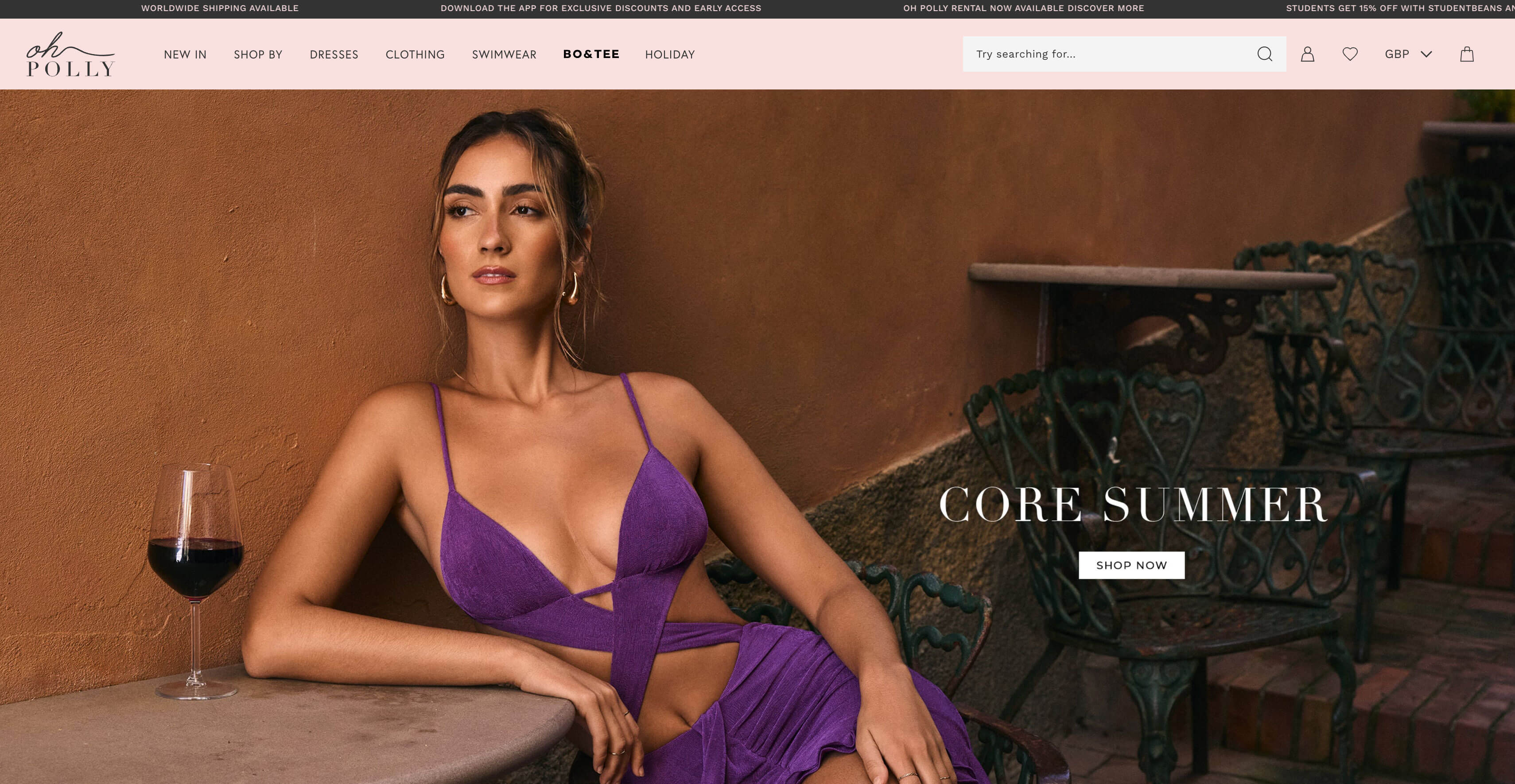
Founded in 2015. Oh Polly is here for all your fashion needs. Shop our signature dresses in satin and slinky ruched fabrics, in a range of mini, midi and maxi lengths. The brand has gone from to strength to strength leveraging the power of the Shopify platform.
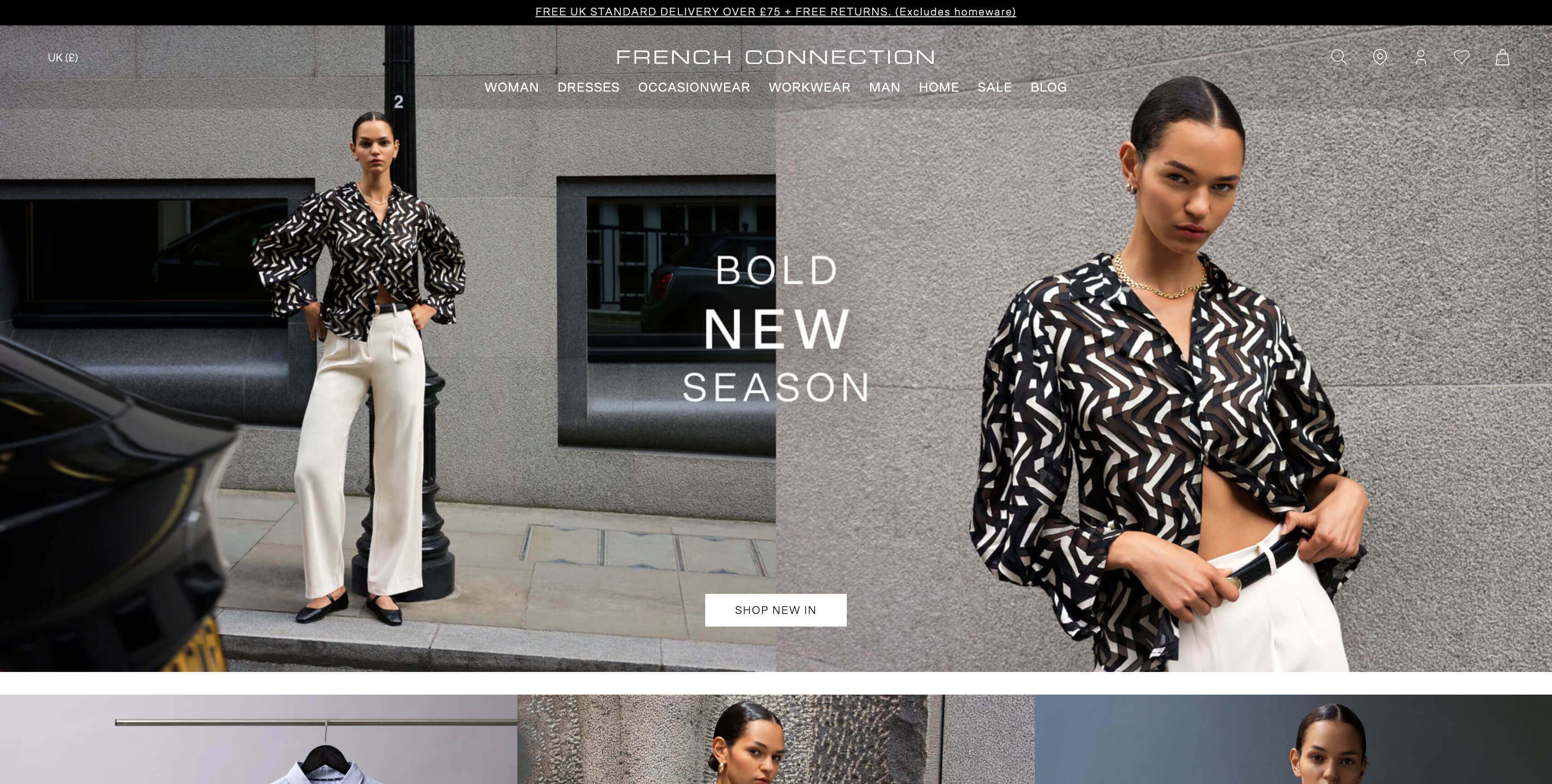
This awesome brand was founded in 1972 and set out with the aim to create design-led, fashionable clothing. Today, the brand design contemporary clothing, accessories and homeware – everything you need in one destination. Signature dresses, responsible denim and relaxed staples are what the brand does best, so expect compliments. French Connection offers eco-conscious pieces and accessible, quality products that stand the test of time, giving you confidence to look and feel your best every day.
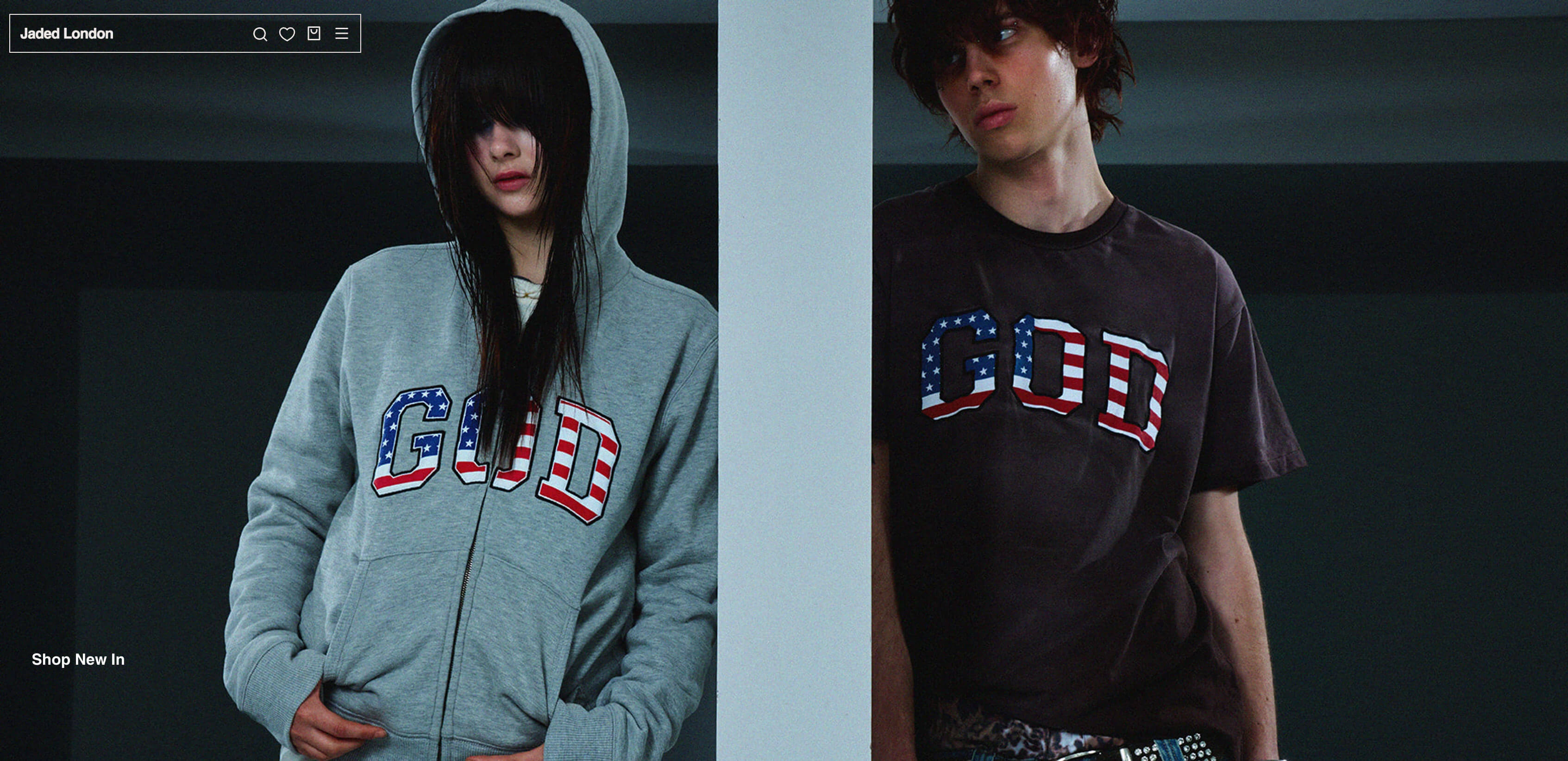
Founded in 2015. Oh Polly is here for all your fashion needs. Shop our signature dresses in satin and slinky ruched fabrics, in a range of mini, midi and maxi lengths. The brand has gone from to strength to strength leveraging the power of the Shopify platform.
Kylie Cosmetics is an American cosmetics company founded by media personality Kylie Jenner related to celebrity Kim Kardashian. The brand's ecommerce store is powered by Shopify Plus. Back in August 2016, Kylie Cosmetics handled over 200K visitors who flooded the online store all at once during one of the biggest product launches in ecommerce history and testiment to the number of users that Shopify can handle. The brand has scaled using large selection followings on social media platform Instagram to drive traffic for key campaign events.
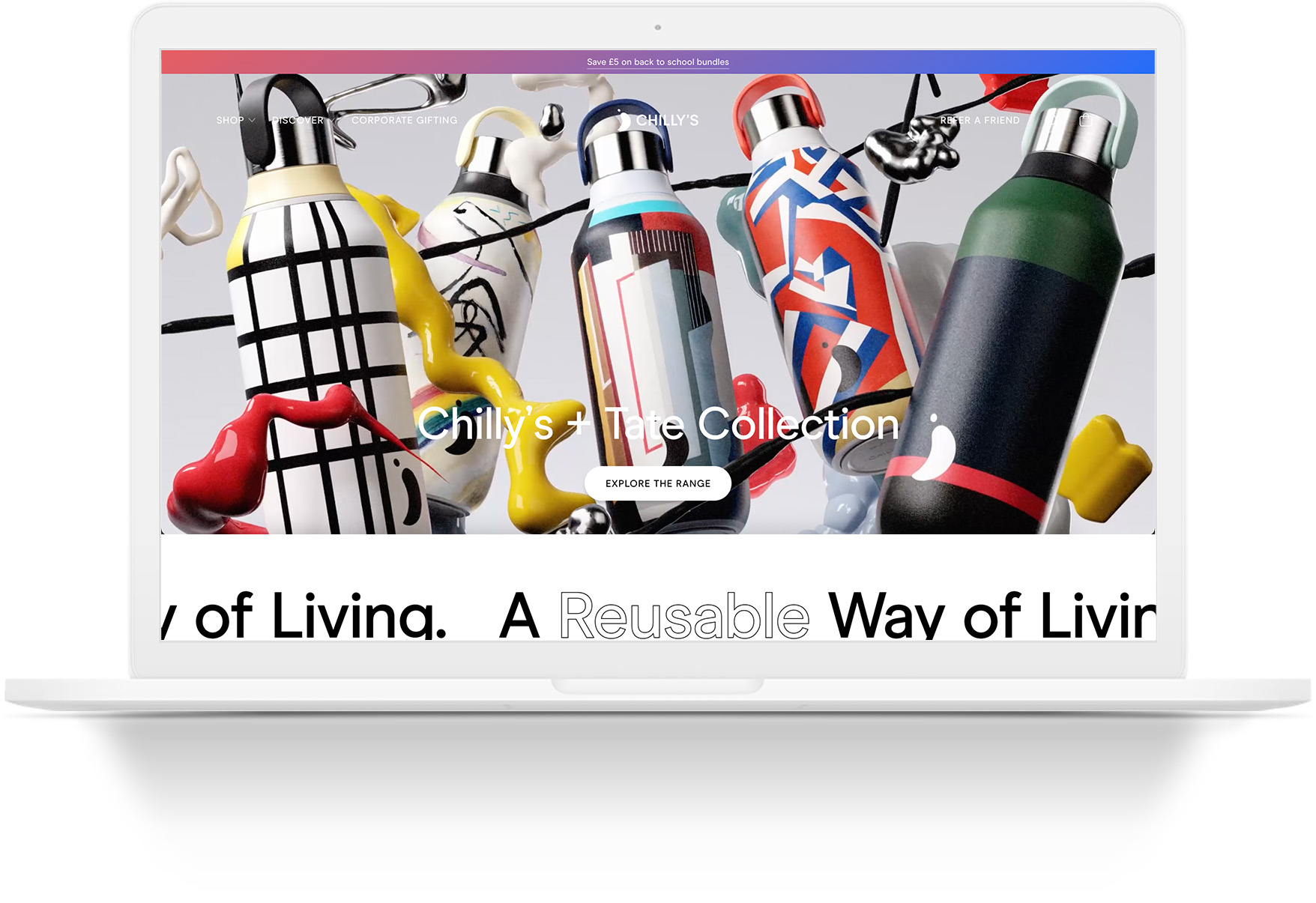
Chilly's bottles provide an on-trend and environmentally friendly alternative to disposable plastic drinks bottles. Chilly's ecommerce store was built on Shopify using
headless architecture, guaranteeing that their website is just as ground-breaking as their products. Going headless was a wise option for Chilly's, as seen by a custom homepage design that is a far cry from your typical template and a product personalisation page that mixes design and performance. Their shop is both functional, aesthetically pleasure and feature-rich.
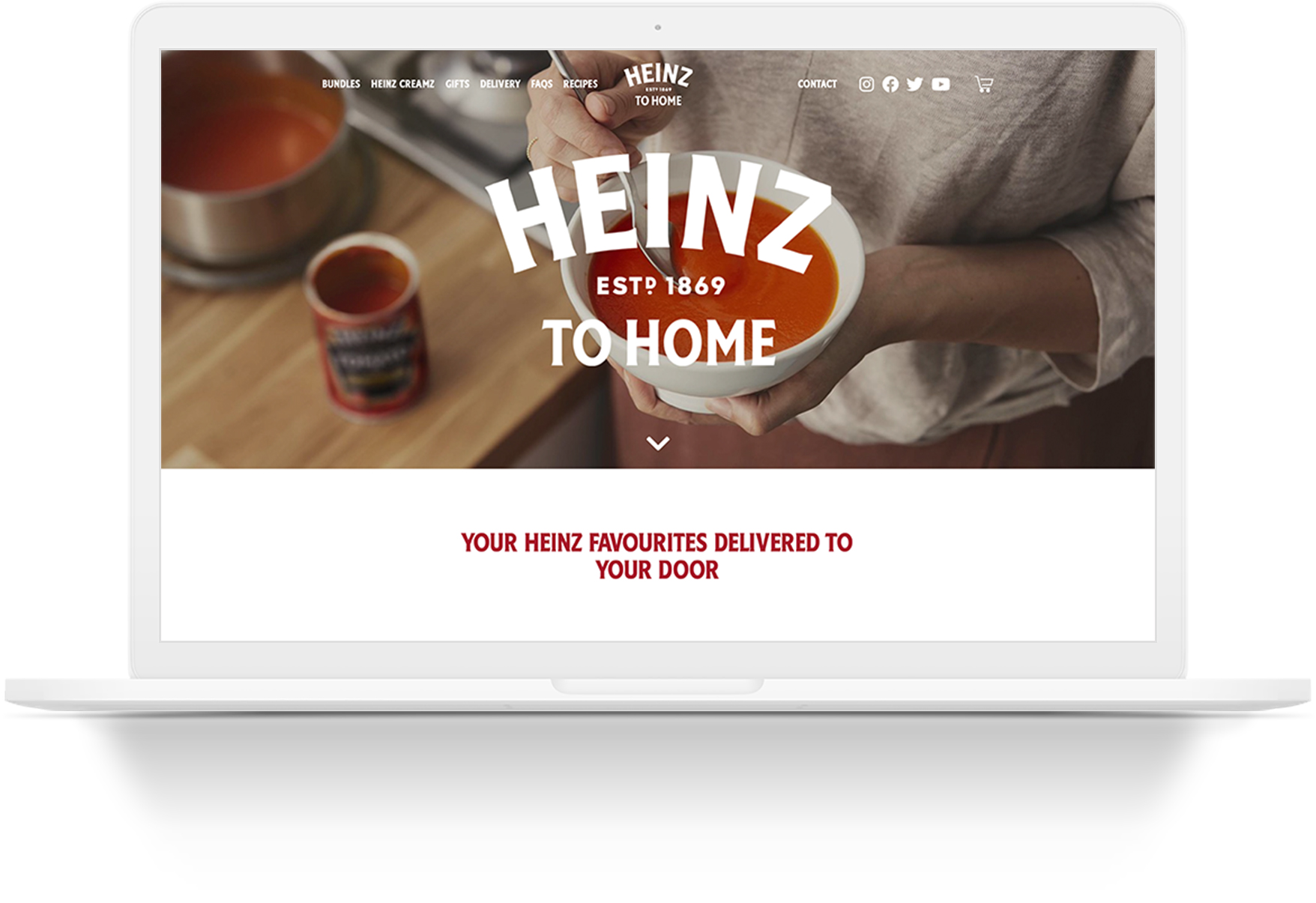
The H. J. Heinz Company is an American food processing company. The company was founded by Henry J. Heinz in 1869. Heinz manufactures thousands of food products in plants on six continents, and markets these products in more than 200 countries and territories. During lockdown due to COVID 19 pandemic and usual distribution channels disrupted, Heinz launched their first ever e-commerce platform in the UK in just 3 weeks on the Shopify platform. The global brand traditionally distributed their products through retail however are now growing their direct-to-consumer strategy. Ecommerce isn't an obvious choice for buying your tin of beans, but Heinz choose Shopify to power their ecommerce strategy.
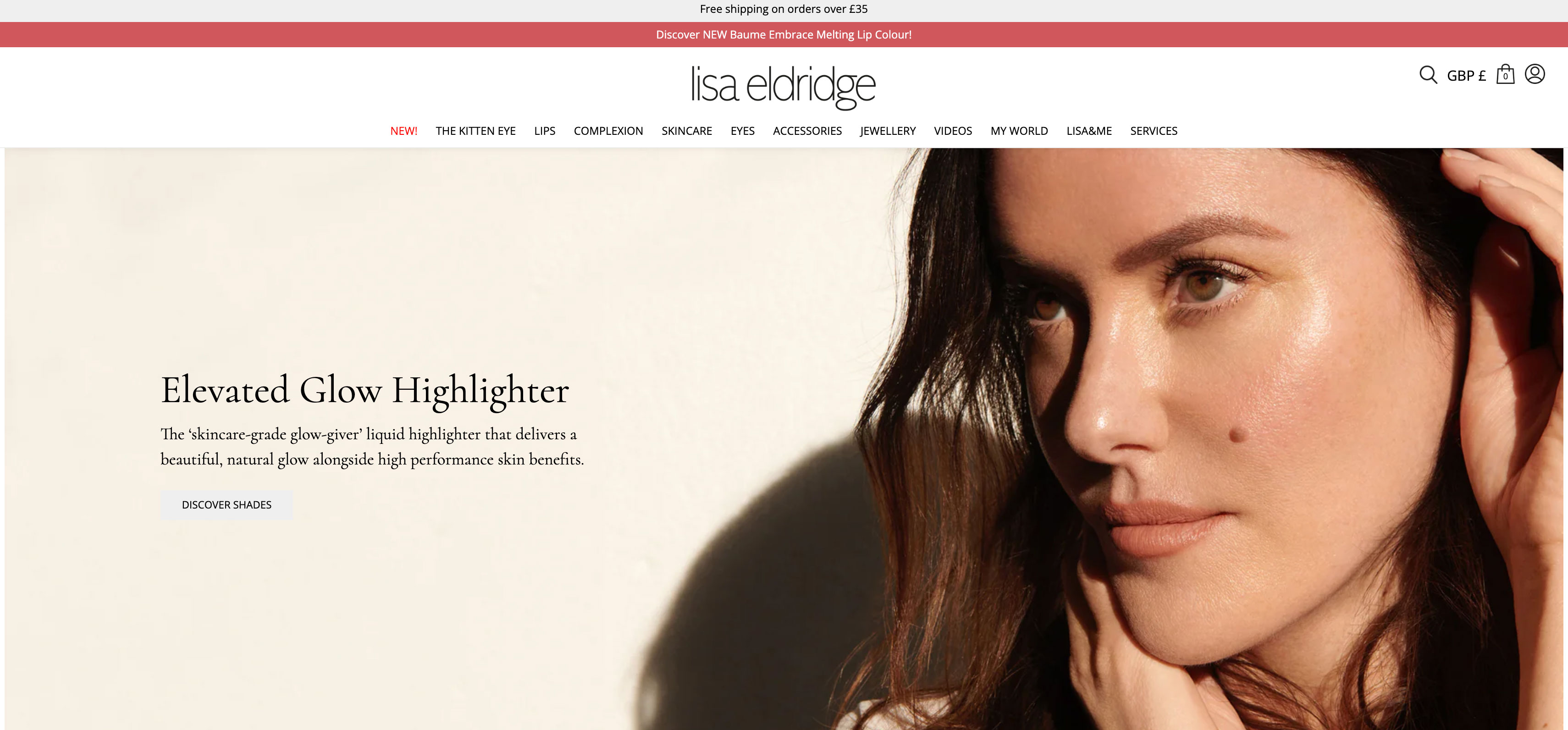
Lisa Eldridge is a well known and successful makeup brand founded by Lisa Eldridge, a renowned British makeup artist who has worked with numerous celebrities and top fashion magazines. The brand is known for its high-quality, expertly curated products that reflect Eldridge's expertise and aesthetic sensibilities. The store is powered by Shopify Plus and handles millions of sessions every month.
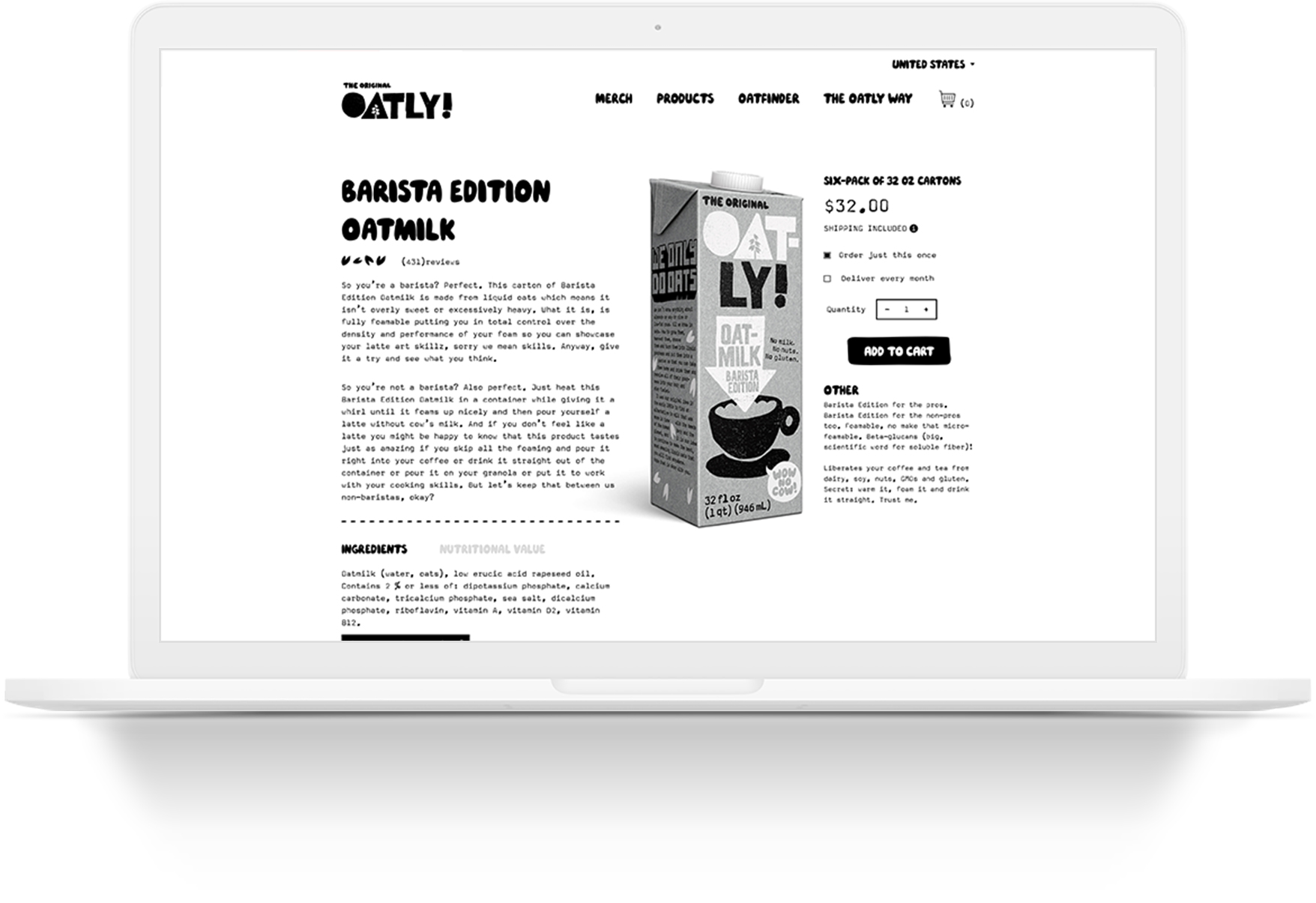
Oatly Group is a Swedish food company that produces alternatives to dairy products from oats. Oatly was formed in the 1990s using research from Lund University. Leading global dairy-alternative milk brand, Oatly, offer a direct to consumer platform in the US powered by Shopify. The website is incredibly on brand to their no nonsence approach to captivating their target audiences.
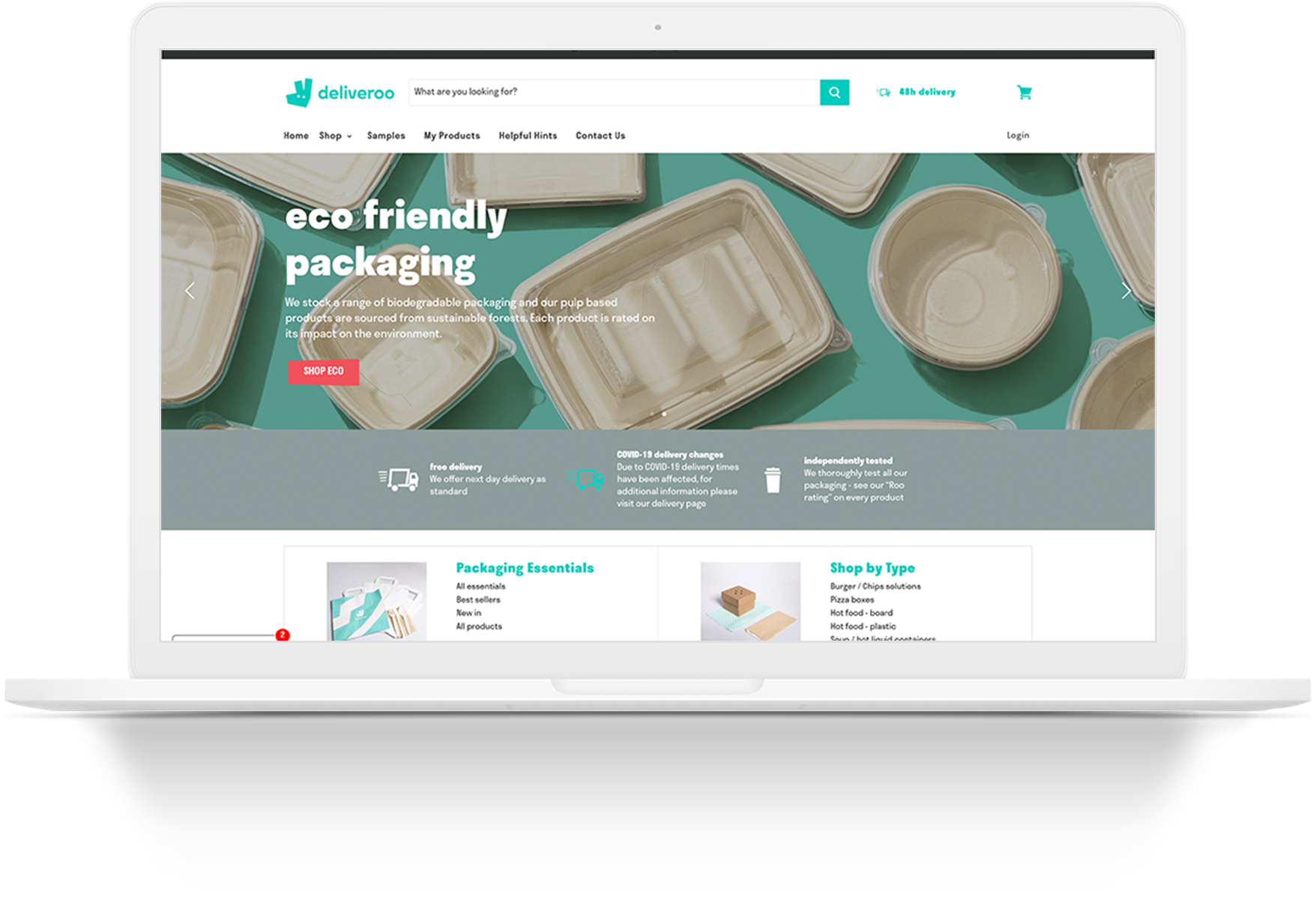
Deliveroo is a British online food delivery company founded by Will Shu and Greg Orlowski in 2013 in London, England. It operates in the United Kingdom, France, Belgium, Ireland, Italy, Singapore, Hong Kong, the United Arab Emirates and Kuwait. Global food delivery technology brand chose Shopify to power and streamline their packaging and their rider kit stores over a course of 6 to 8 weeks. Deliveroo sell these products directly to their sellers and riders through the platform.
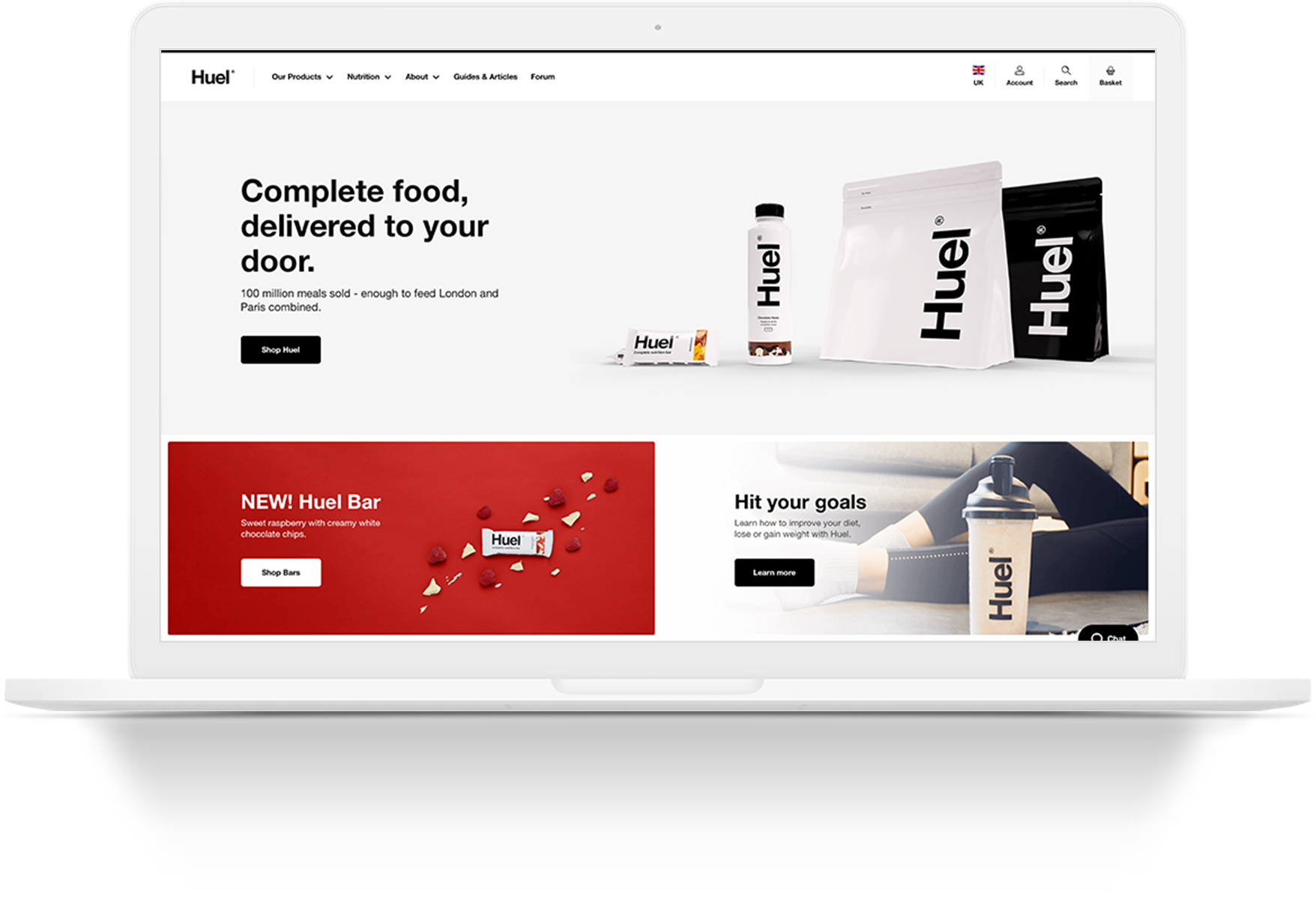
Huel is a meal replacement available in powder, liquid, bar, or grain forms. Huel's first product is made from oats, rice protein, pea protein, sunflower, flaxseed, coconut oil MCTs, and several dietary supplements. Huel offer nutritionally complete meal replacement shakes and use Shopify to power their entire ecommerce ecosystem. From one-time orders, upselling, free gifts and subscription orders - shopify servers at the very center of their business.
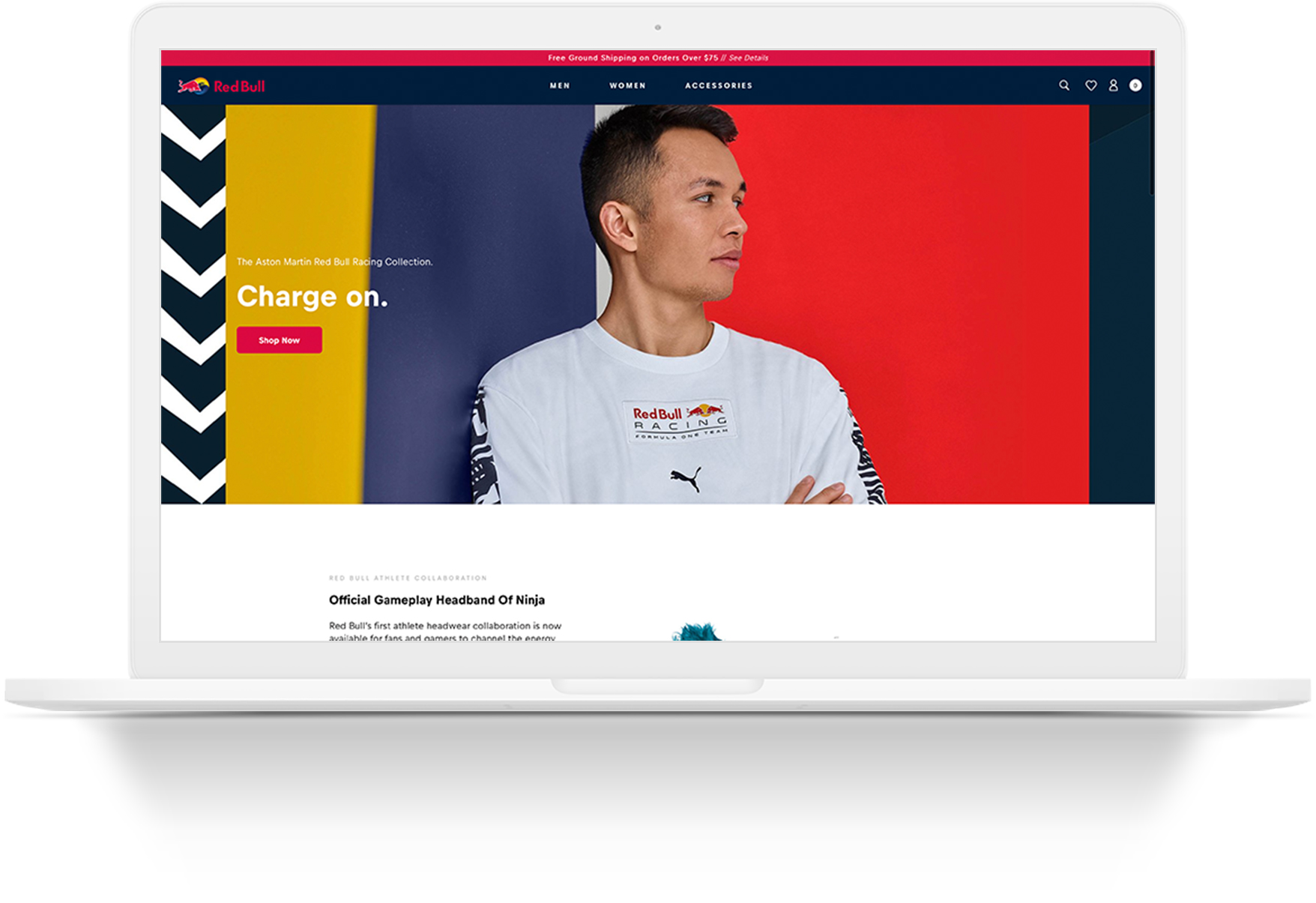
Red Bull is a brand of energy drinks of Austrian company Red Bull GmbH. With 38% market share, it is the most popular energy drink brand as of 2019. Since its launch in 1987, more than 100 billion cans of Red Bull have been sold worldwide, including 9.8 billion in 2021. Global energy drinks brand, Red Bull, use Shopify to power their US online merchandise store. Red Bull ecommerce shoppers can navigate to this store and purchase Red Bull branded merch and experience the ultimate Shopify experience. Supercharged ecommerce soltuion for a supercharged energy brand.
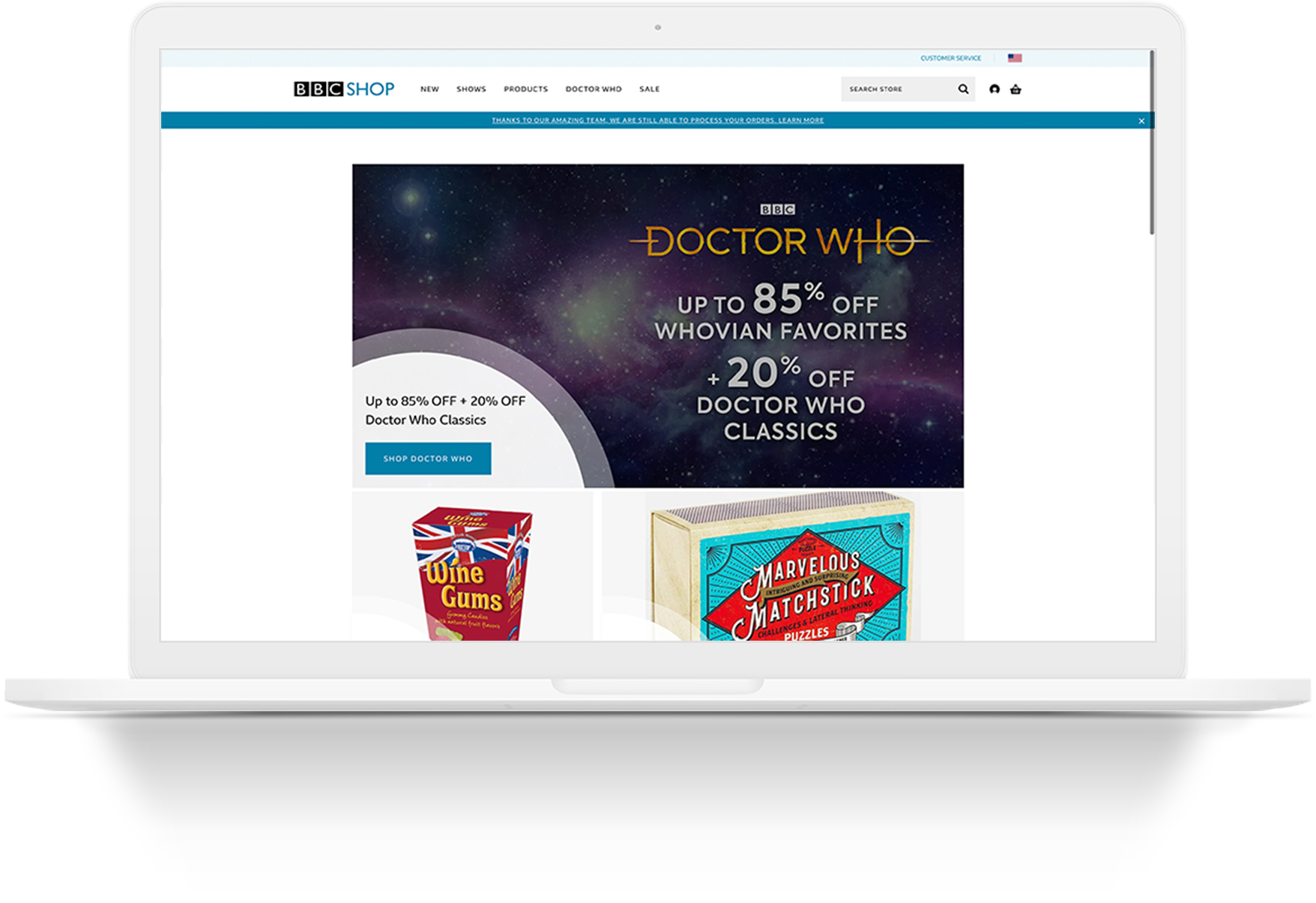
The British Broadcasting Corporation (BBC) is the national broadcaster of the United Kingdom, based at Broadcasting House in London. BBC chose Shopify plus to replace their previous magento platform for their US and Canadian merchandise stores. The BBC is a world leading example and case study of the respect Shopify has gained amongst top tier size businesses when choosing their ecommerce platform.
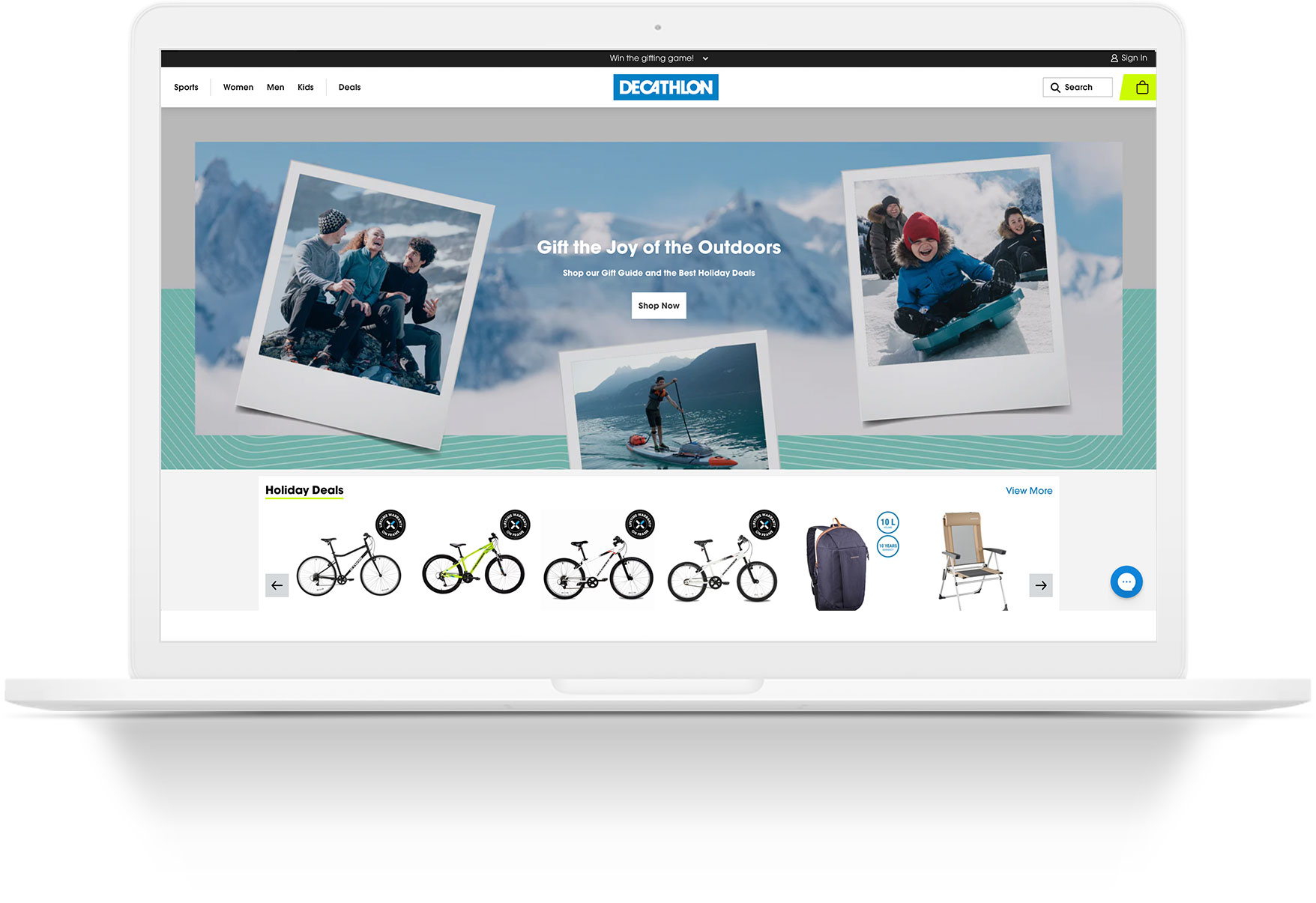
Decathlon is a French sporting goods retailer. With over 1,697 stores in 60 countries and regions, it is the largest sporting goods retailer in the world. The brand sells products relating to football, fitness, cycling, running, skiing - you name it, if you are looking for sports-related good then Decathlon will have you covered. The brand leads the sporting market and offer's it's garage filling ecommerce shopping experience powered by Shopify. Decathlon is the place to go for sports teams.
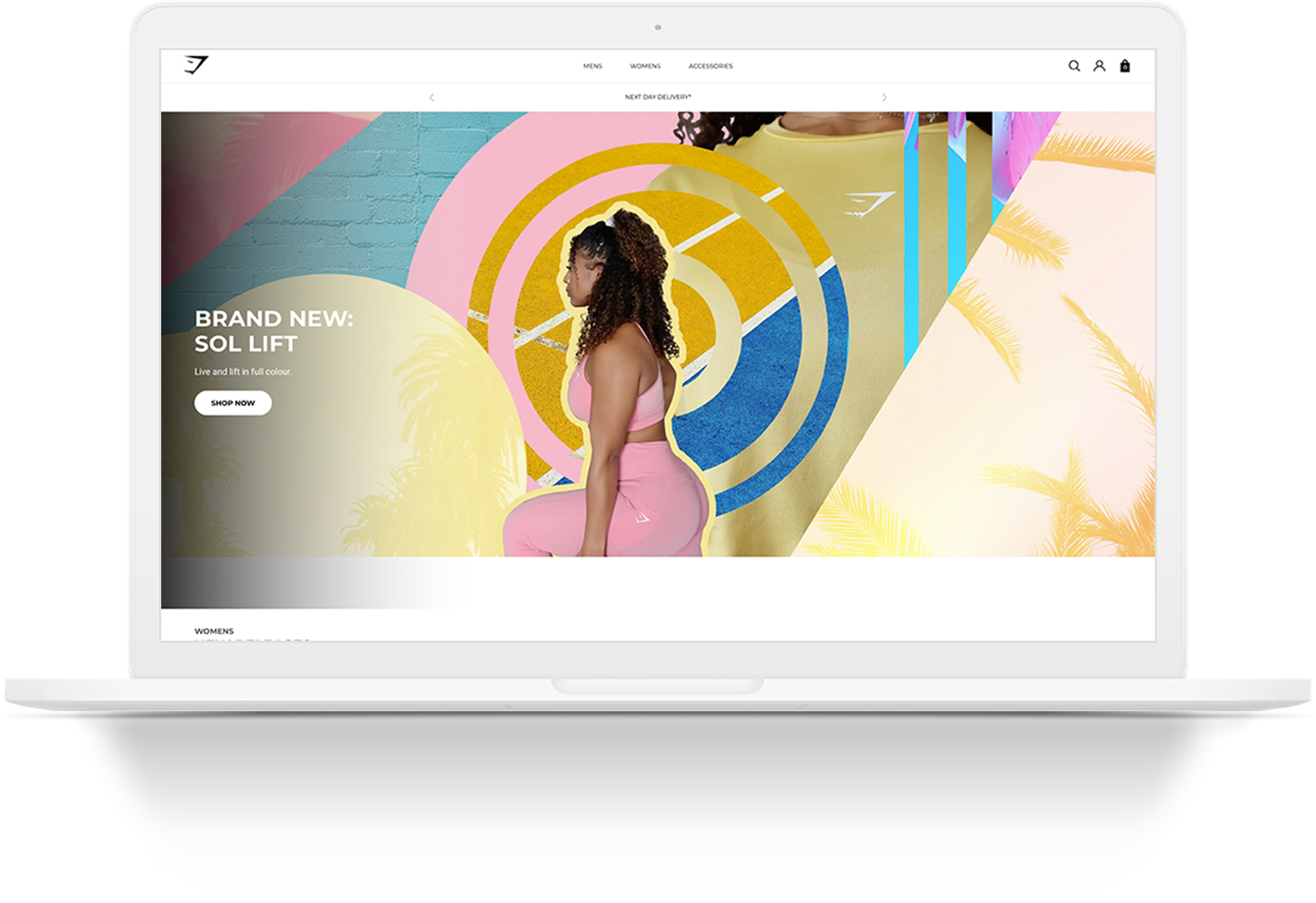
One of the fastest growing UK fashion gym brands for women and men, Gymshark transitioned from Magento to Shopify following a 10 hour outtage on their previous platform. Gymshark have trusted the platform ever since. Gymshark Gymshark Gymshark . . . everyone's talking about Gymshark - a mission for growth, supported by the best ecommerce solution. The brand has seen the result that Magento historically offered them and have never looked back since moving to Shopify Plus.
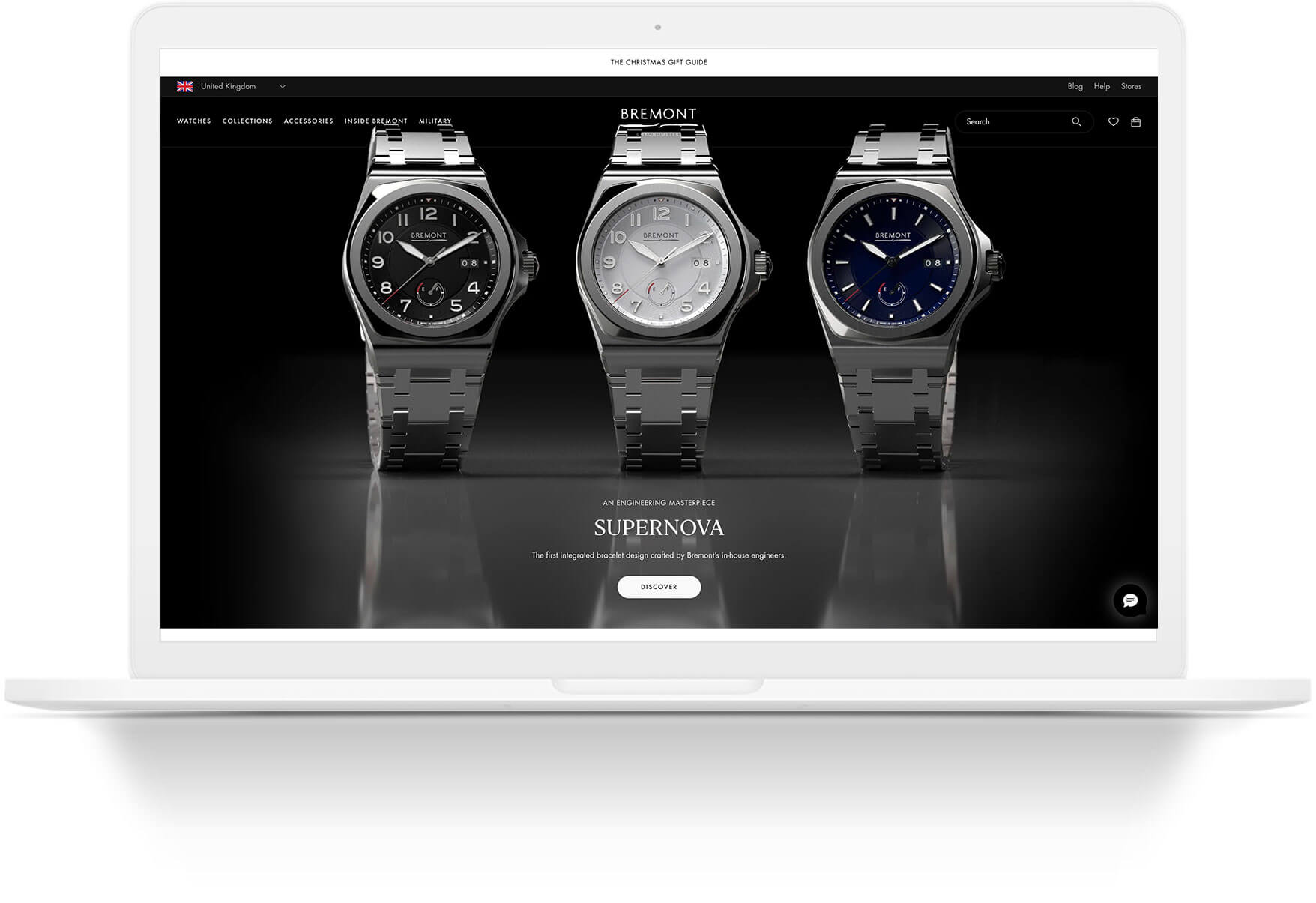
Bremont Watch Company is a luxury British watchmaker based in England offer watches with aviation-themed designs. Annual production is approximately 10,000 pieces for an approximate annual revenue of £40 million. Bremont sell their luxury watches through their Shopify ecommerce store that serves a global ecommerce strategy.
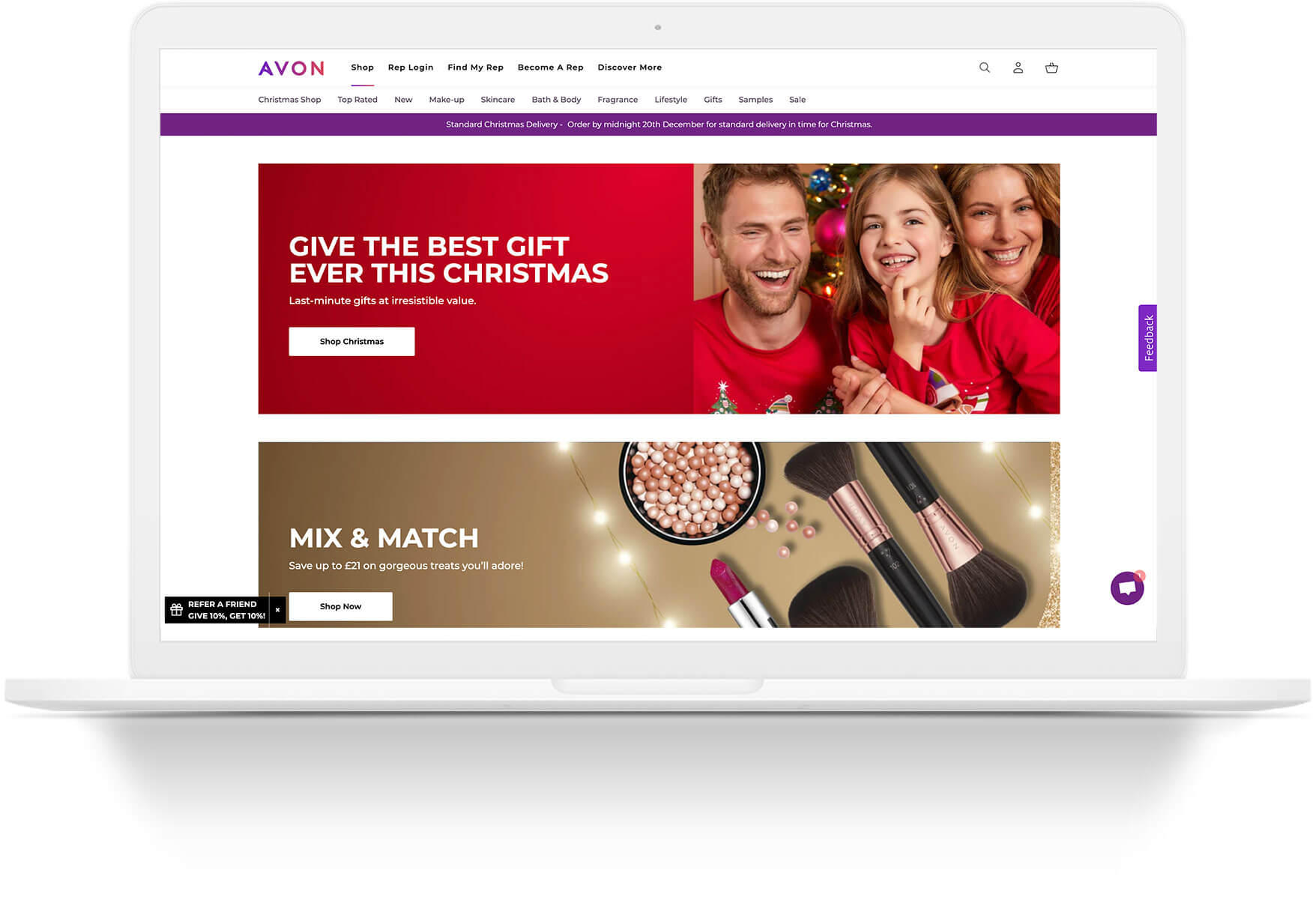
Avon Products or simply known as Avon, is an American-British multinational cosmetics, skin care, fragrance and personal care company, based in New York. It sells directly to the public. Avon had annual sales of $9.1 billion worldwide in 2020. Avon use Shopify Plus to power their ecommerce websites which allows them to serve millions of customers every year.
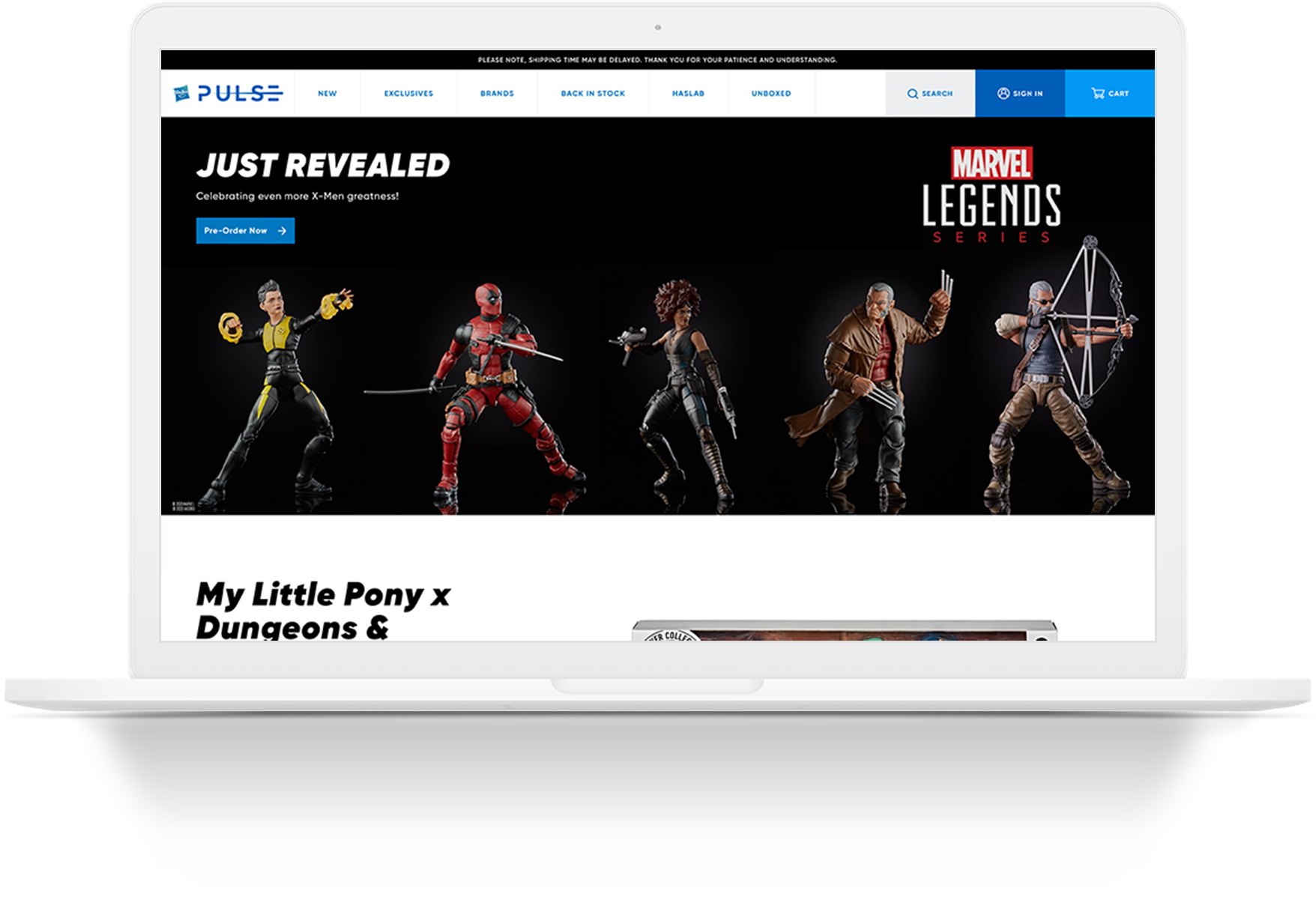
Hasbro's mission is to create the world's best play experiences. The best play experiences stand apart from anyone elses and deliver joy, creativity and connection around the world and across generations. Hasbro's mission does not stop offline but extends to an entire ecommerce experience to allow shoppers to buy toys and games online. Hasbro the leading toy store use Shopify Plus to power their DTC and ecommerce operations.
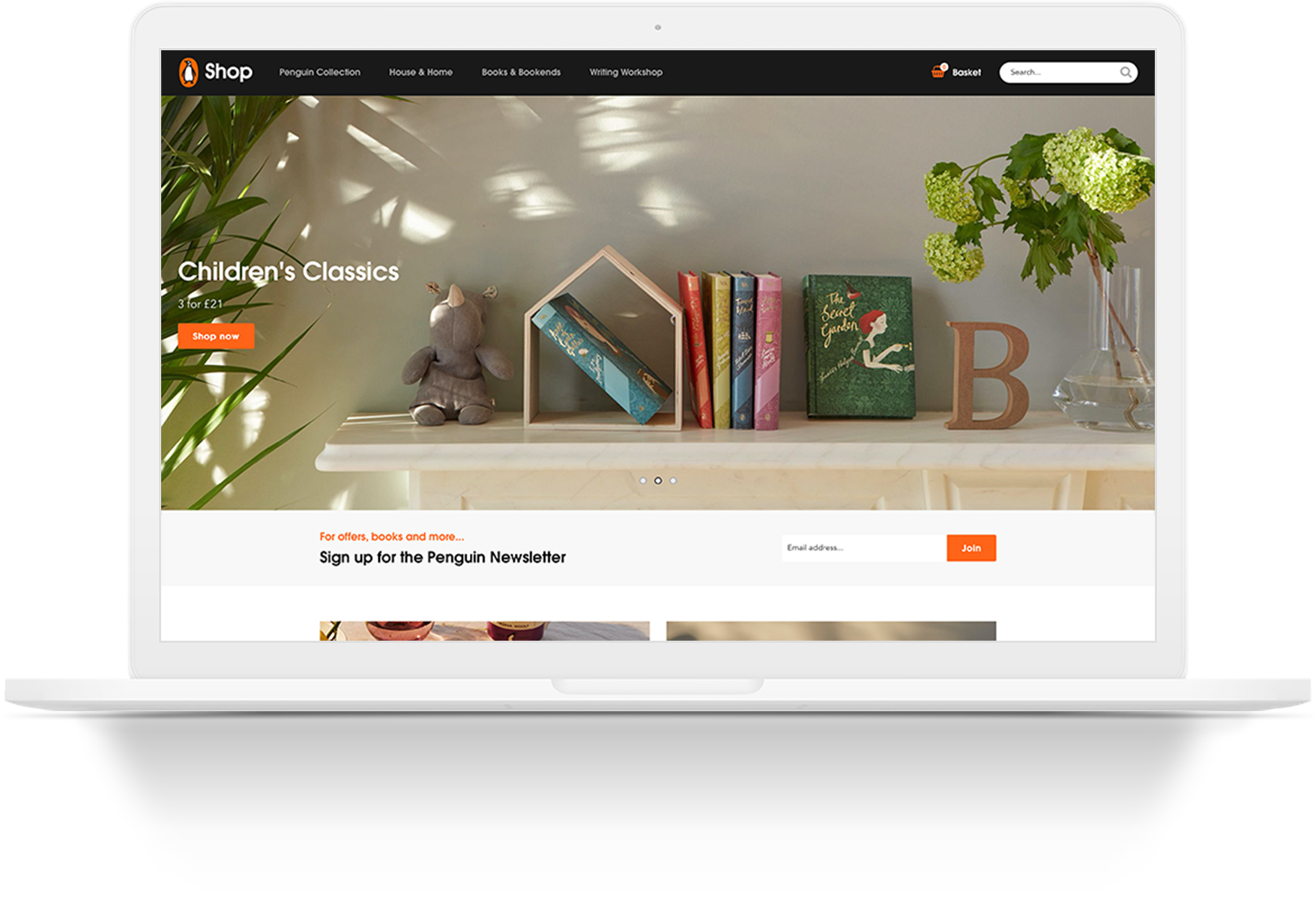
Penguin Books is a British publishing house. It was co-founded in 1935 by Allen Lane with his brothers Richard and John. World leading trade publisher use Shopify to sell books, ebooks and more direct to their consumers.
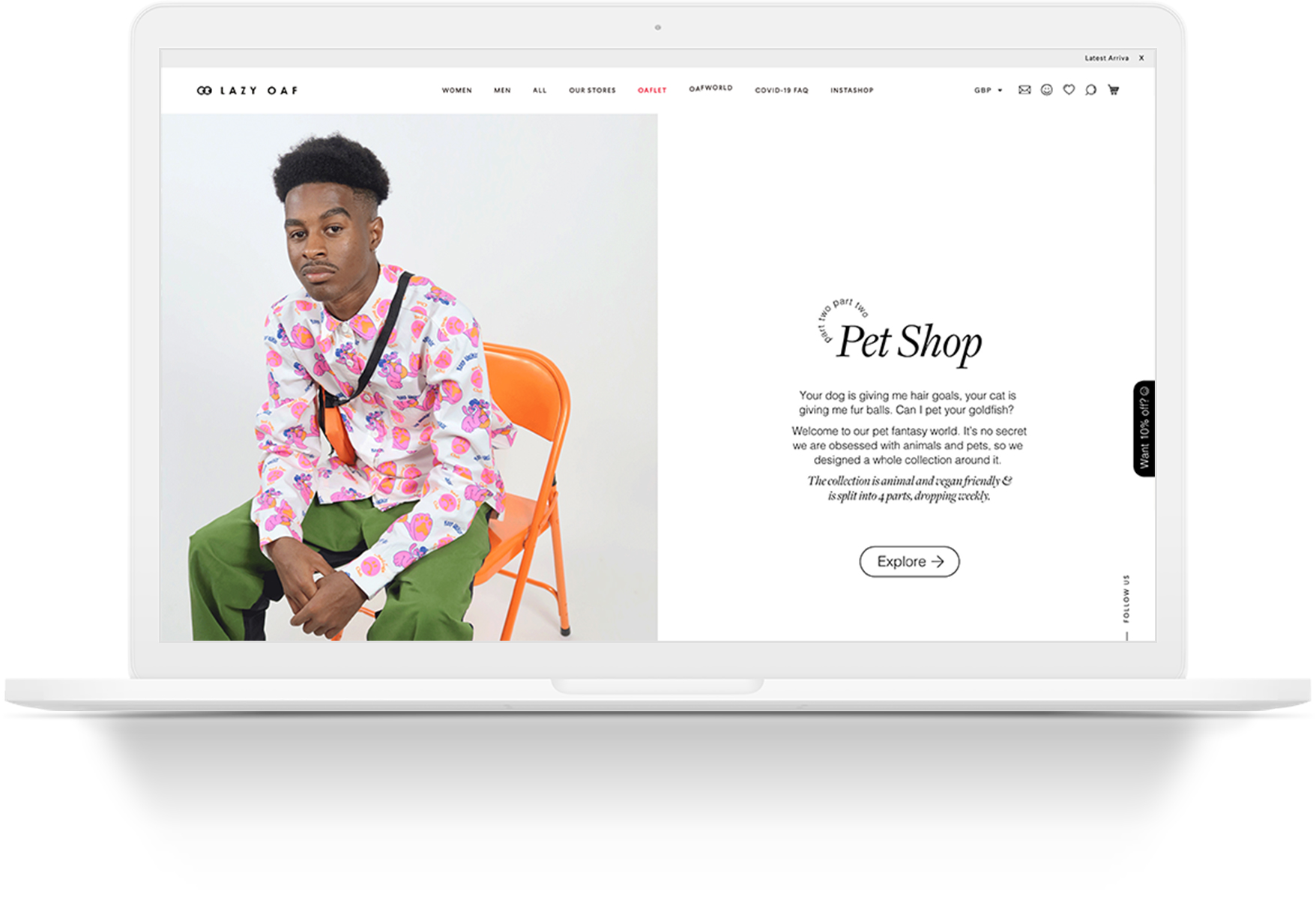
Lazy Oaf create irreverent streetwear clothing for men and women, inspired by youth nostalgia, teenage rebellion and a spirit of non-conformity. Lazy Oaf is a London based fashion label designing womenswear, menswear and accessory collections featuring bold colors and graphic prints. The Lazy Oaf website is of course powered by Shopify Plus.
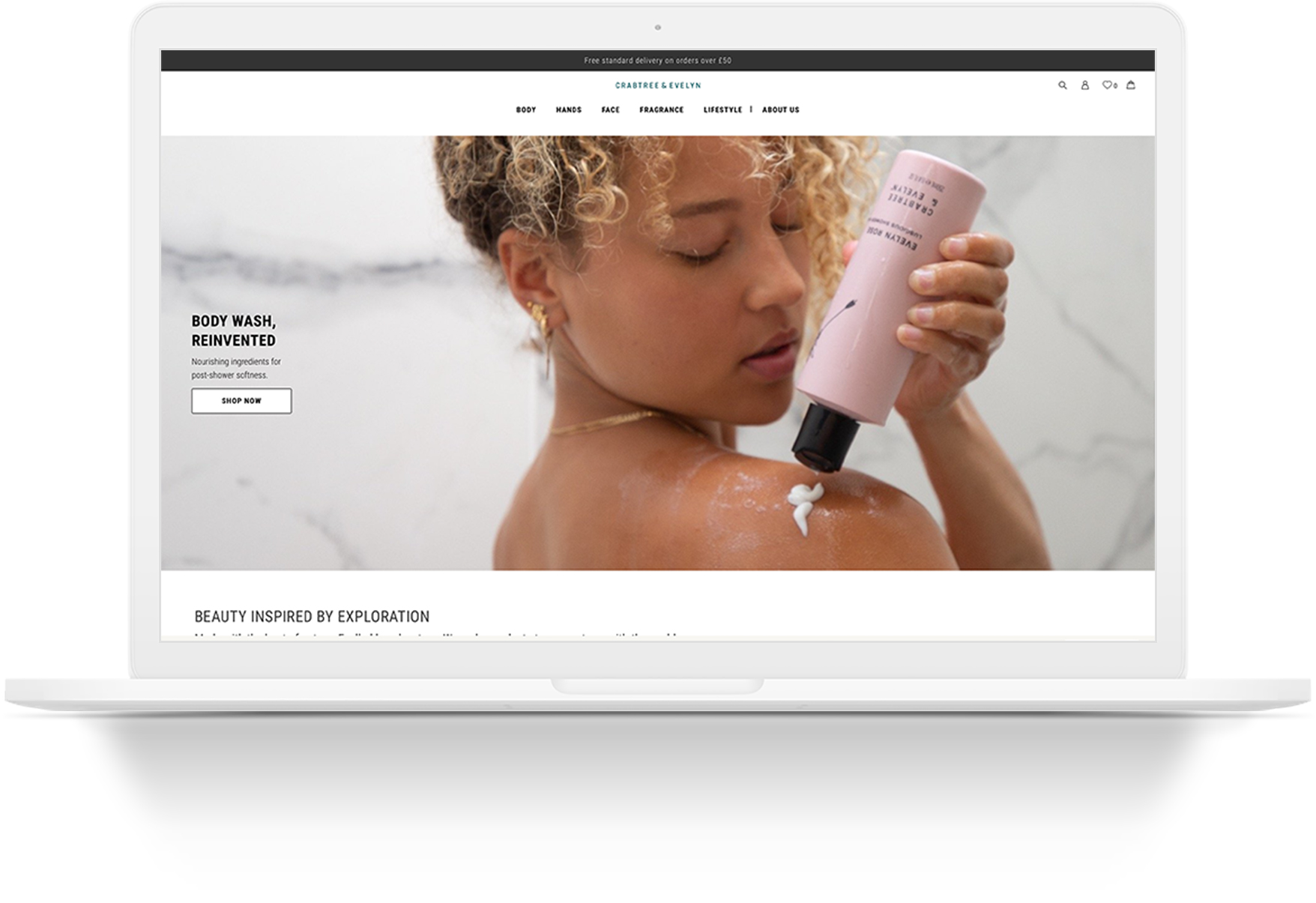
Crabtree & Evelyn (or C&E, to our friends) was founded by wanderlust and nature enthusiast Cyrus Harvey. He explored the world and brought back capsule collections of the products from his adventures. He didn’t sell soaps, he sold stories. He connected with every place he visited and every person he met along the way.
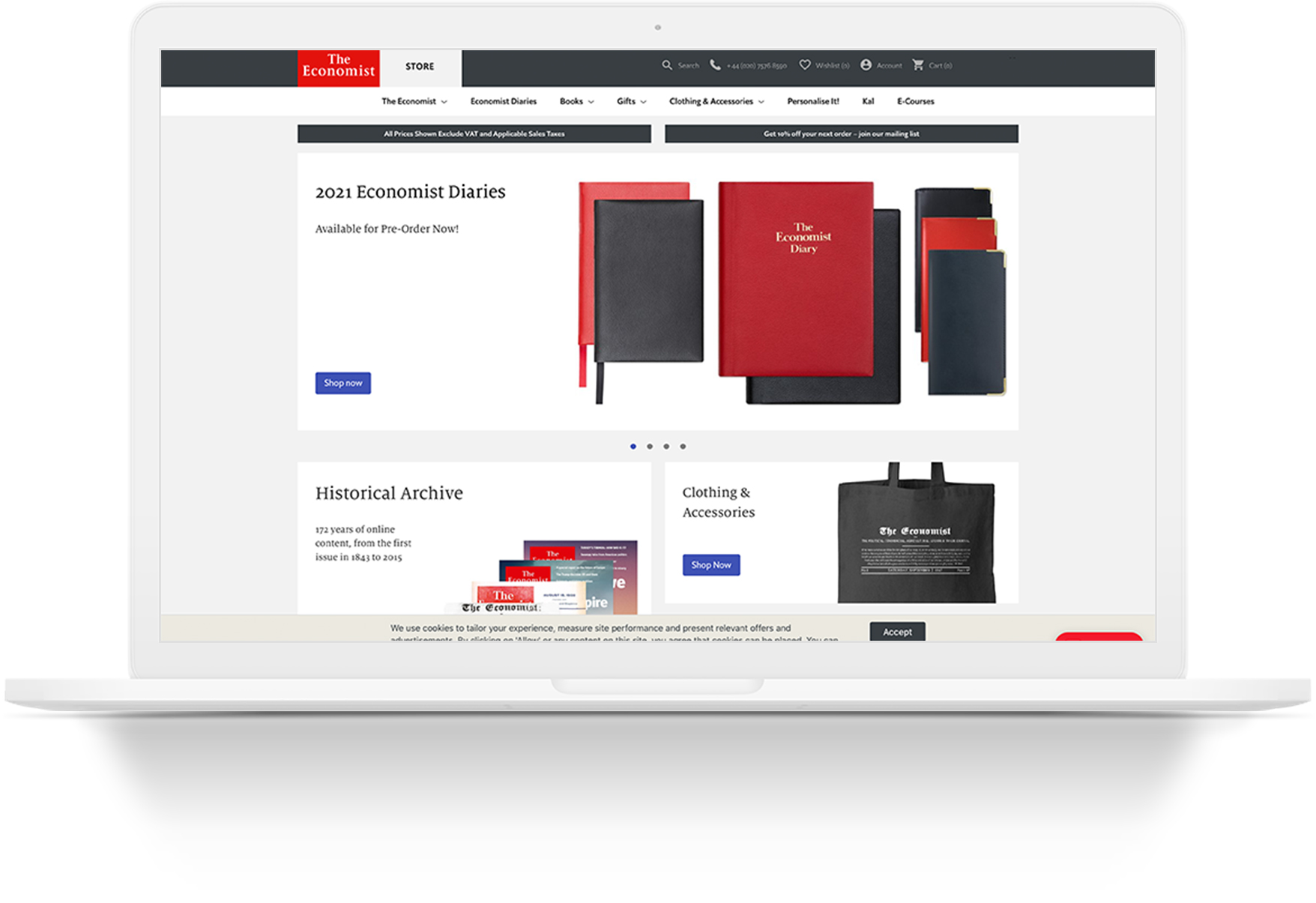
The Economist online offers an authoritative insight and opinions on international news, politics, business, finance, science and technology. The e-commerce store stocks a range of Economist printed and audio books, as well as a range of office stationary and diaries.
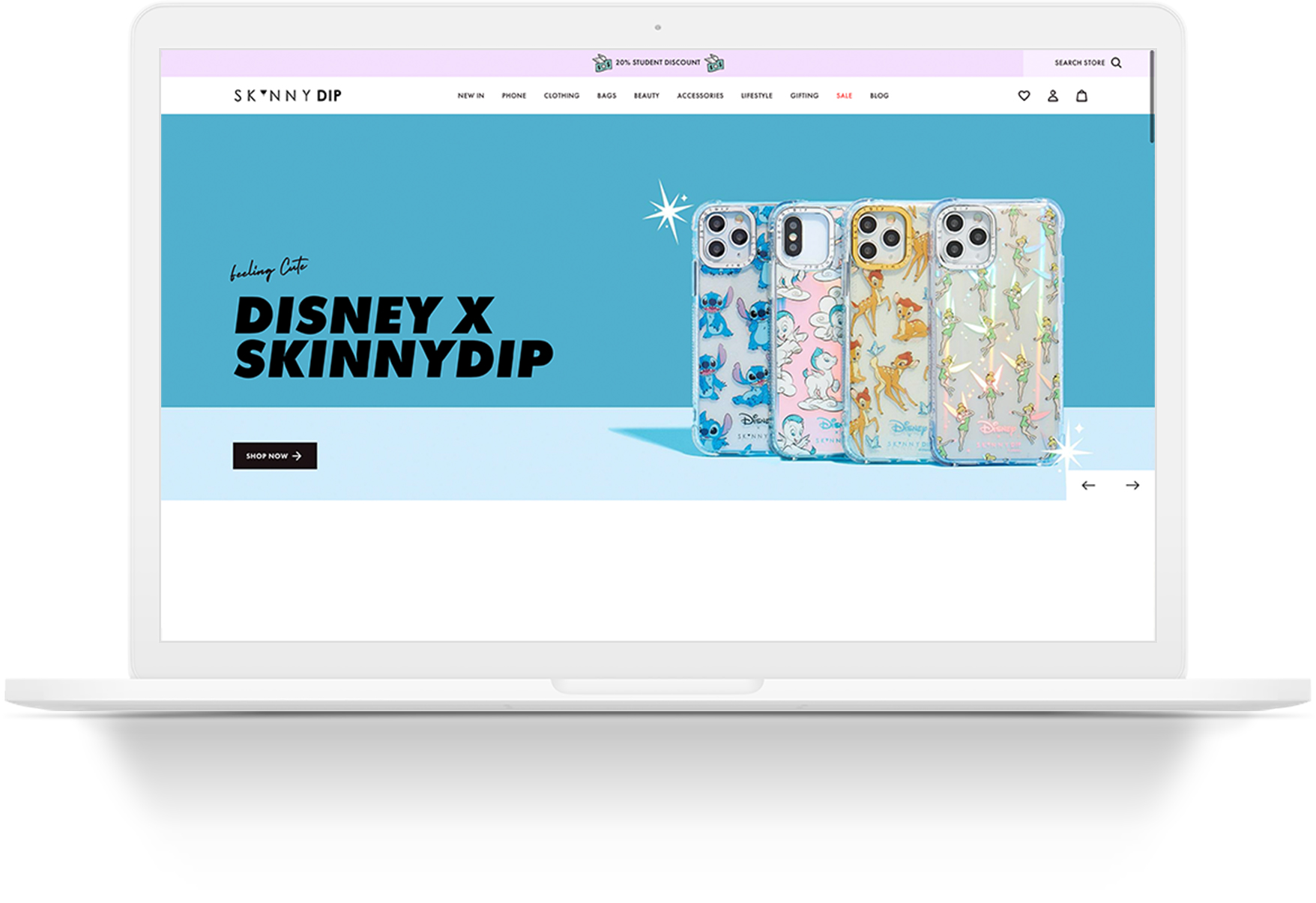
Co-founders James, Lewis and Richard started Skinnydip shortly after the Apple iPhone launched, quickly realizing that fun phone case designs were incredibly limited. The people best known for serving up fun and quirky accessories, clothes and more all year round - Skinnydip use Shopify to powerful their fun offering.
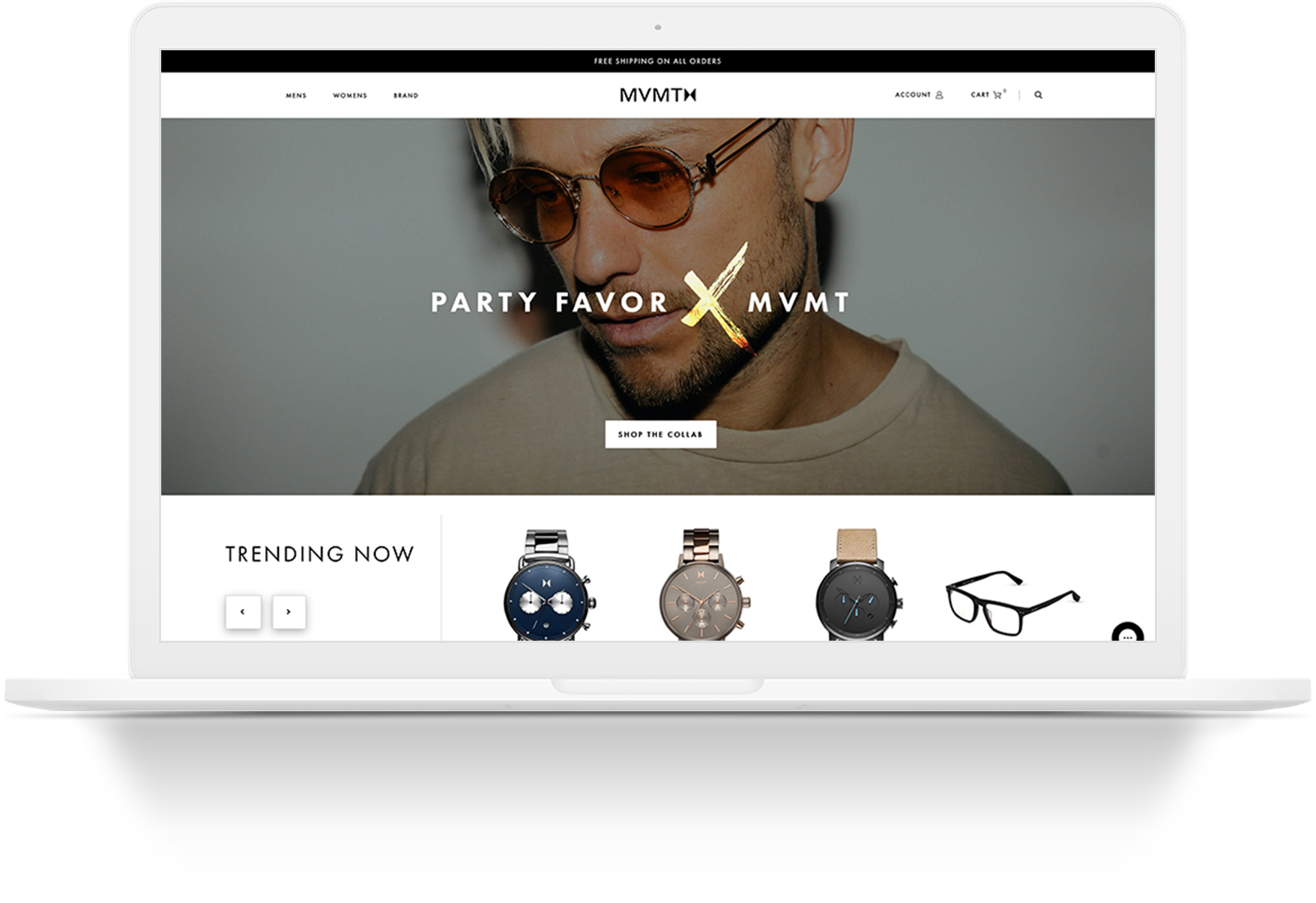
MVMT Watches Inc. is an American watchmaker that sells quartz watches, as well as sunglasses and other accessories MVMT Watches live by Shopify, using the platform to power their high quality, lower cost watch offering to the world.
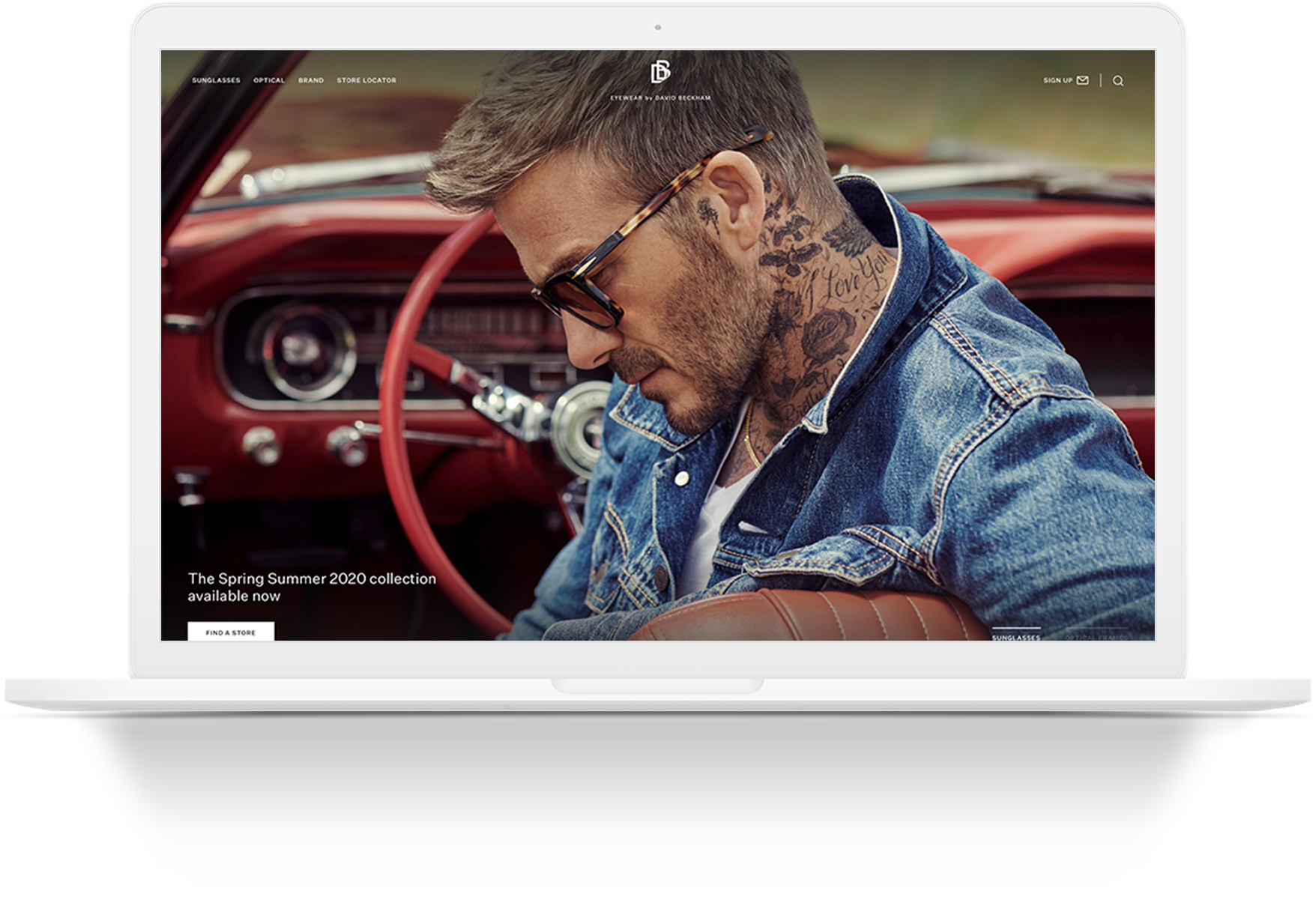
David Beckham's, the footballer, fragrance brand reaches it's customers using the powerhouse of Shopify.
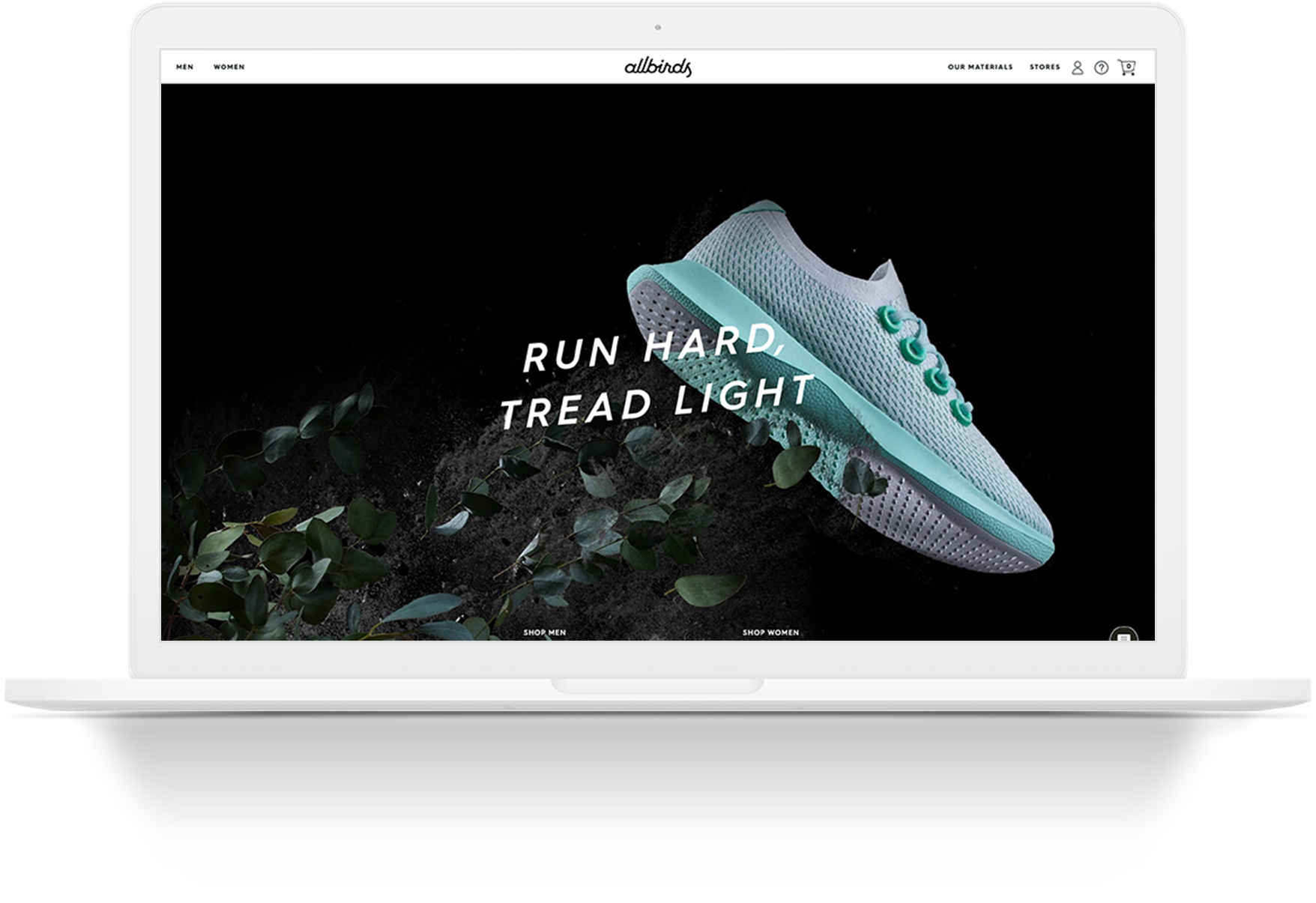
The self-proclaimed world's most comfortable shoes by Allbirds are made with responsibly sourced, premium natural materials, like ZQ Merino wool, eucalyptus tree, and sugarcane. The brand is powered by Shopify Plus.
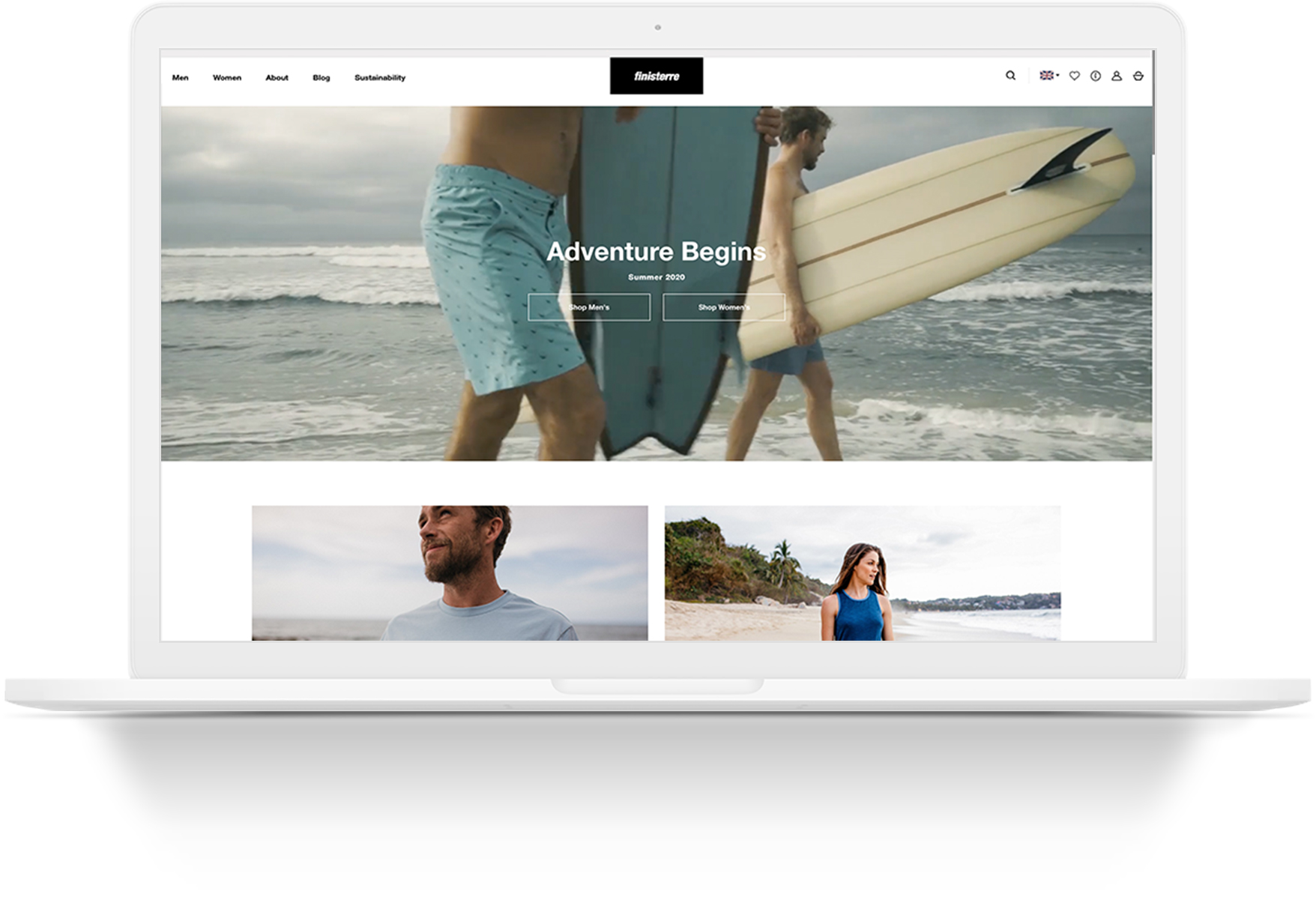
It started in 2003 in a flat above a surf shop with an innovative fleece that was designed to keep out chill winds and warm up cold bodies. Finisterre is a pioneering, sustainable outdoor brand, built to inspire a love of the sea and anchored in exceptional product. B Corps certified.
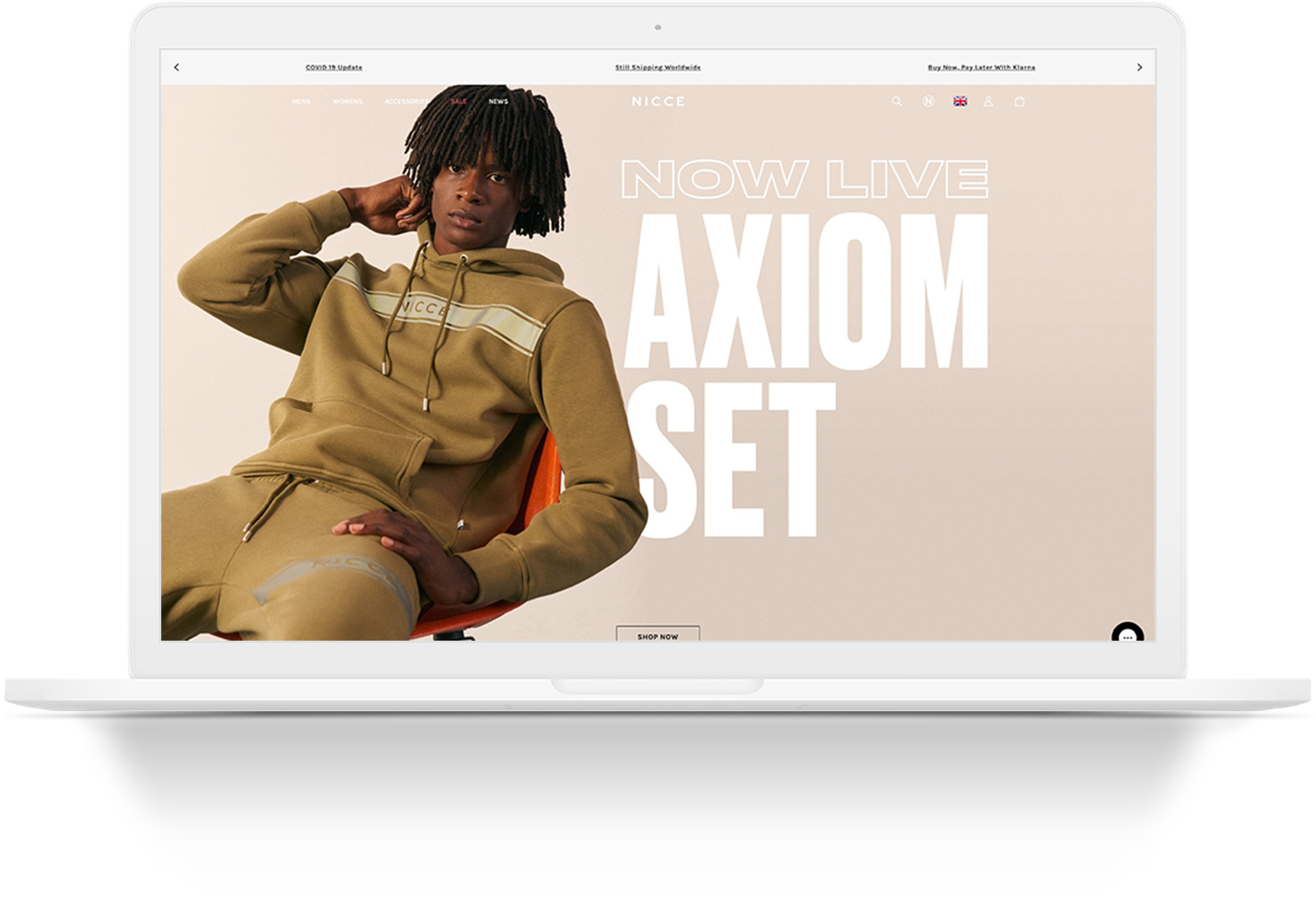
Clean, simple, quality contemporary casualwear clothing designed in East London. Shop the latest NICCE menswear & womenswear collections with their Shopify website.
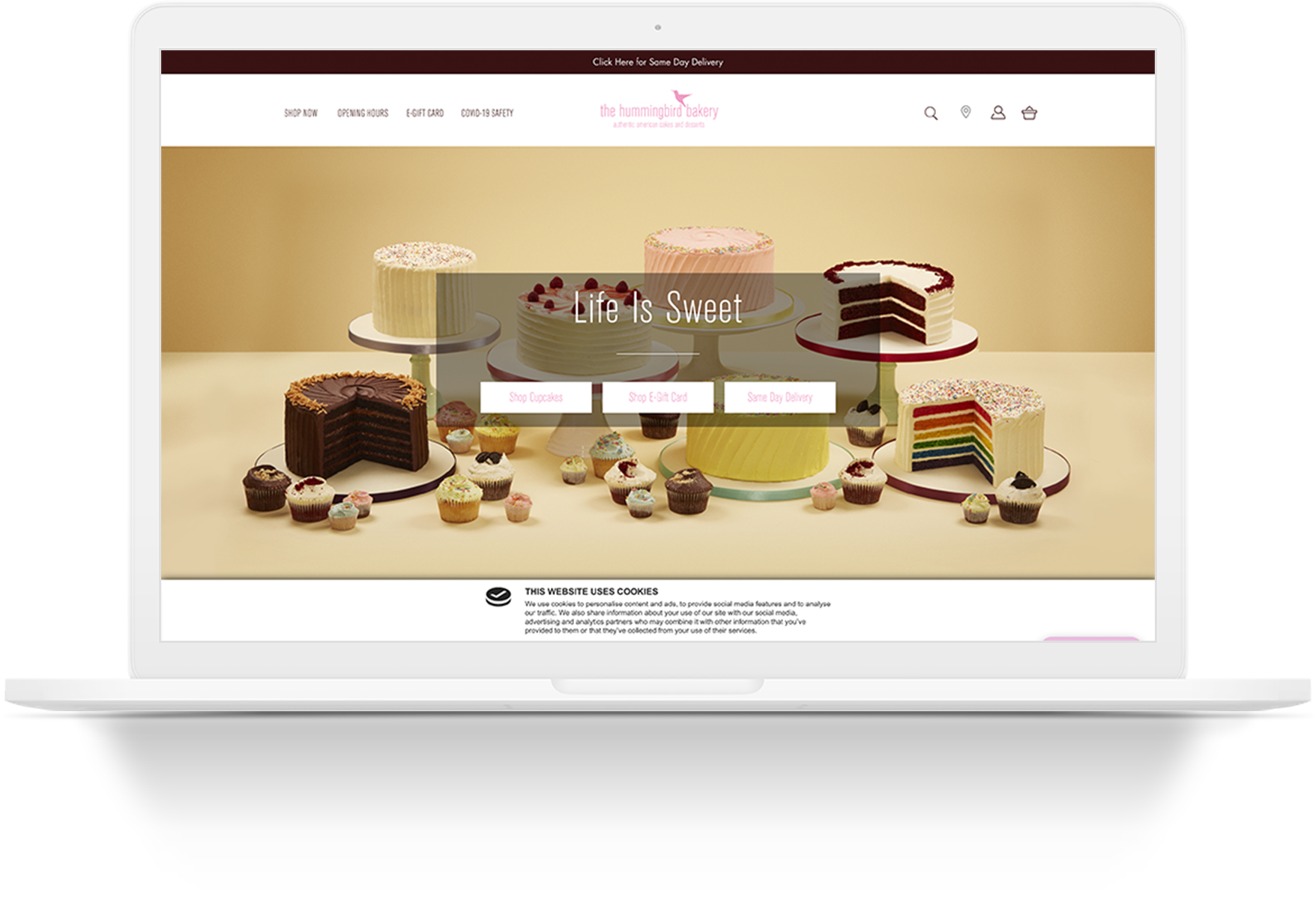
Famous in London for Red Velvet cupcakes, The Hummingbird Bakery is the home of authentic American cupcakes, cakes and baked goods.
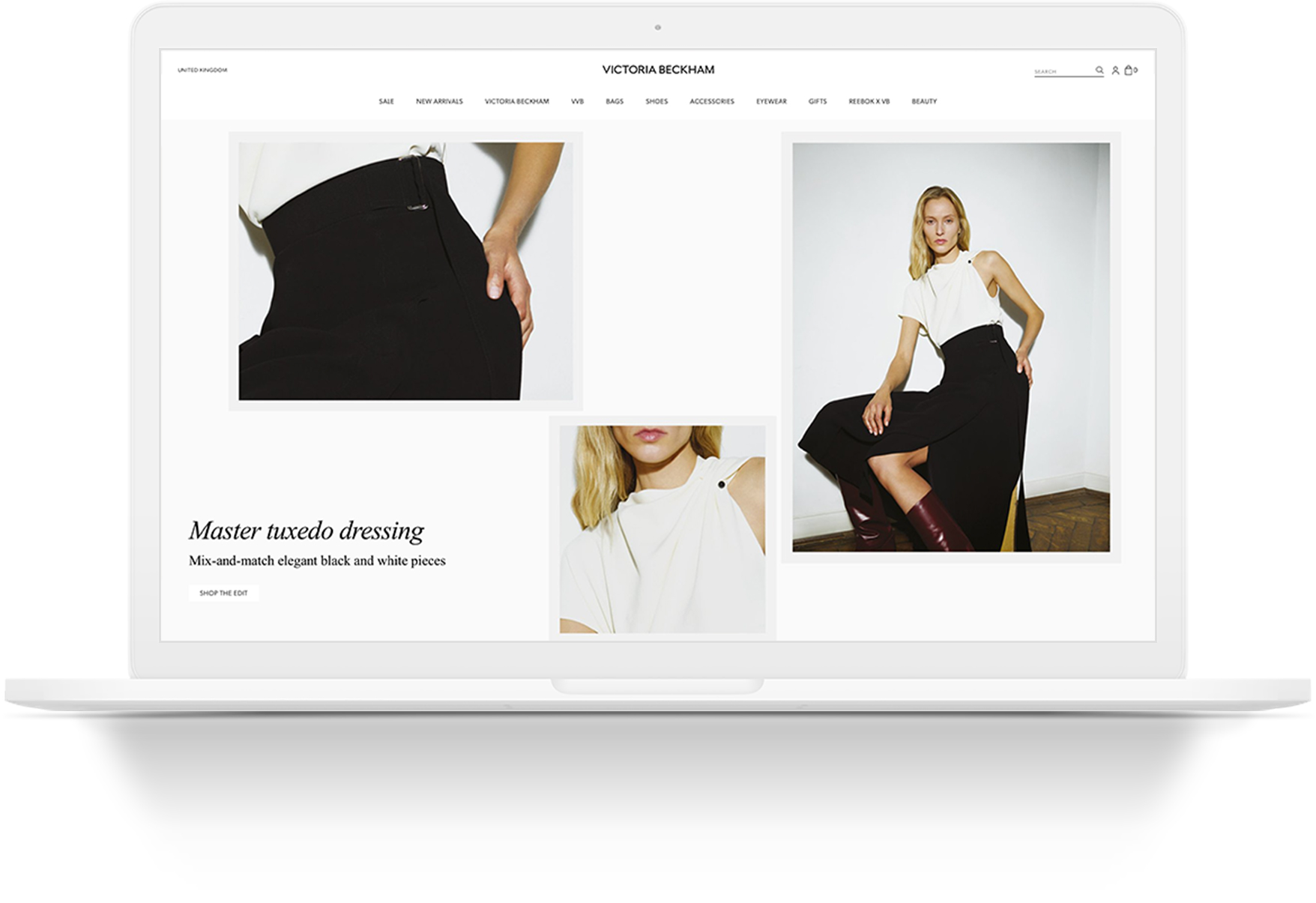
The singer and celebrity uses Shopify to power her ecommerce business.
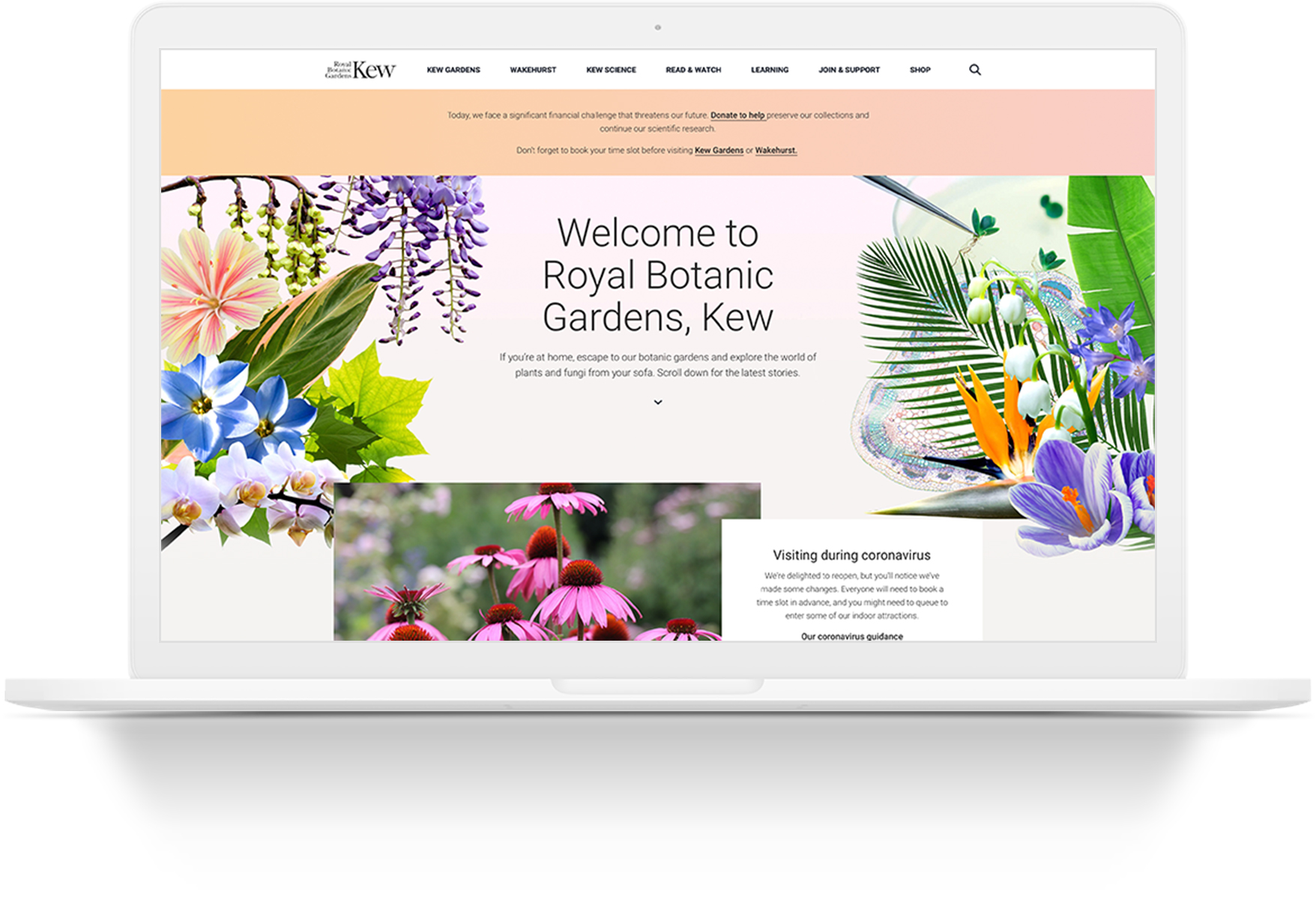
Royal Botanic Gardens, Kew is a non-departmental public body in the United Kingdom sponsored by the Department for Environment, Food and Rural Affairs.
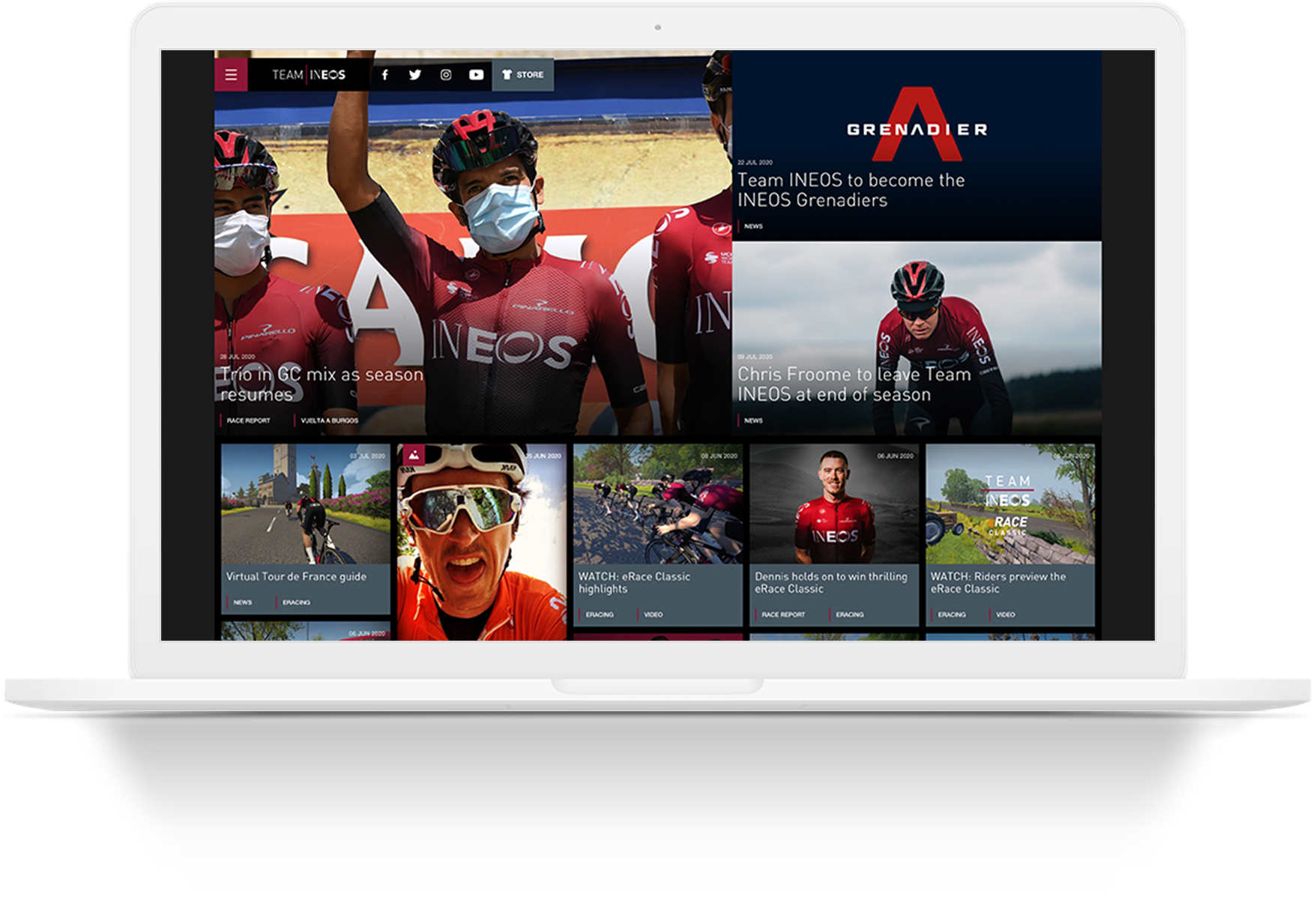
Team Ineos is a British professional cycling team that competes at the UCI WorldTeam level.
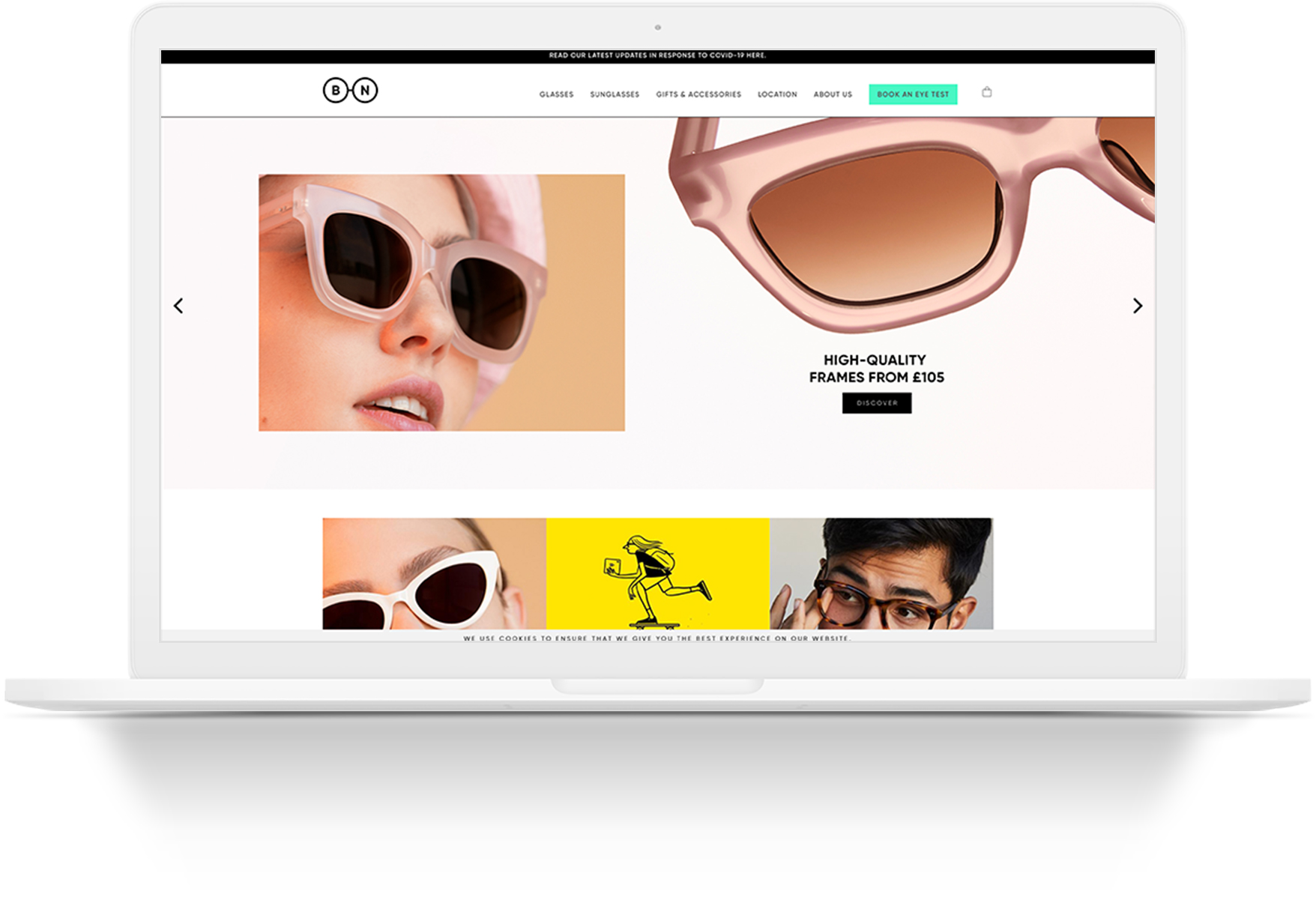
Bailey Nelson aims to change the glasses industry by providing beautiful and affordable eyewear.
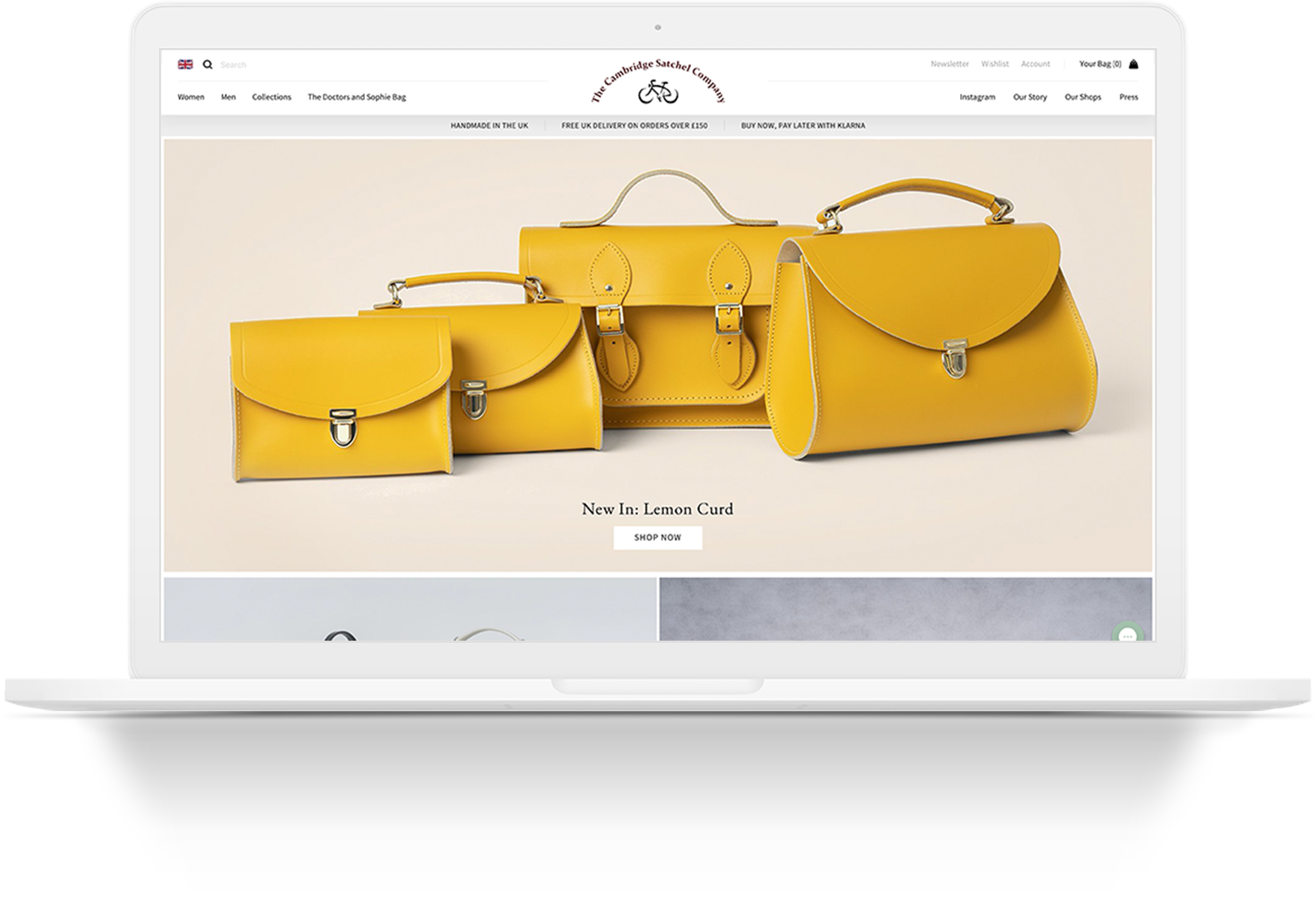
The Cambridge Satchel Company is a British company that produces satchels and other leather goods.
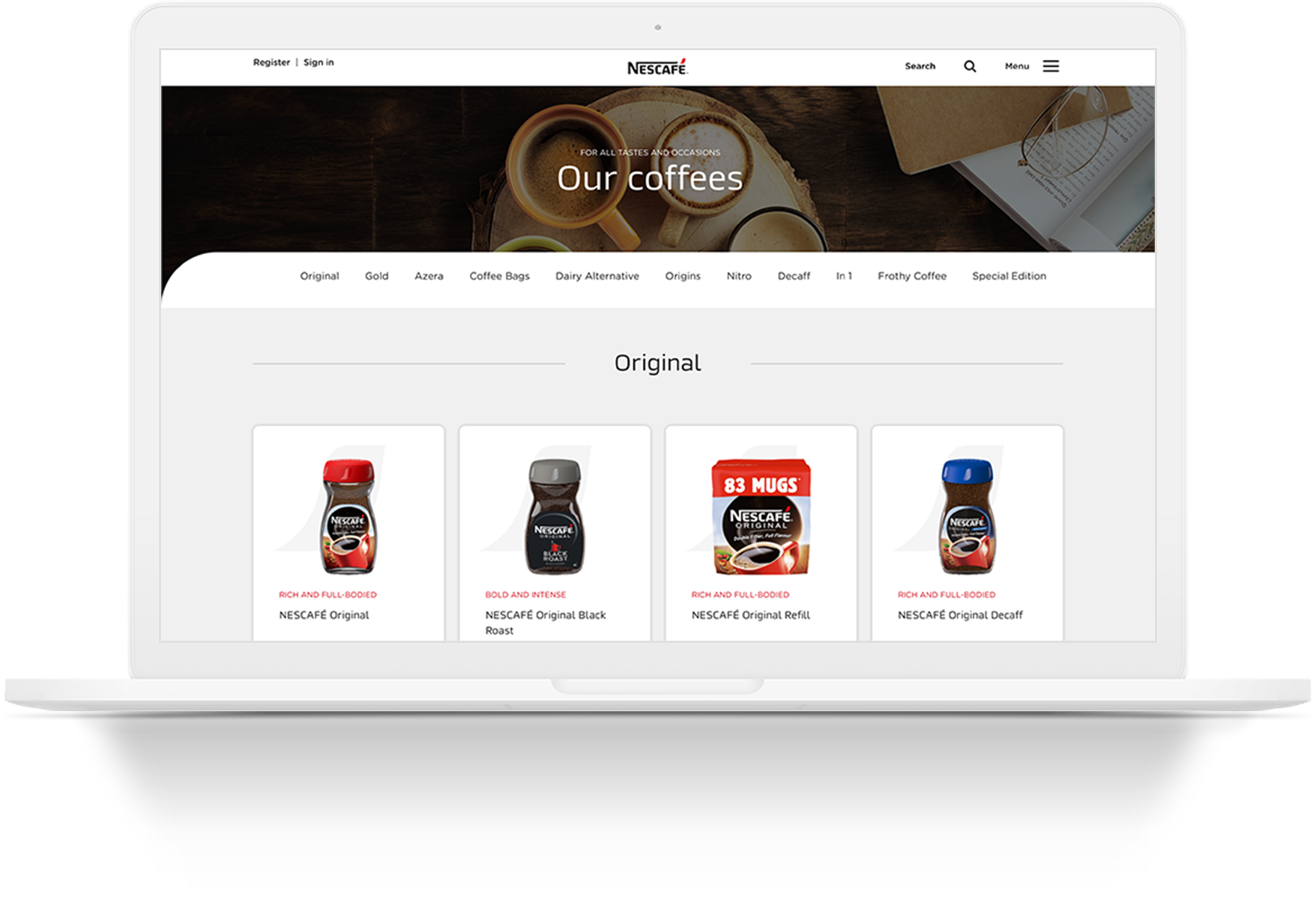
Nescafé is a brand of coffee made by Nestlé. It comes in many different forms.
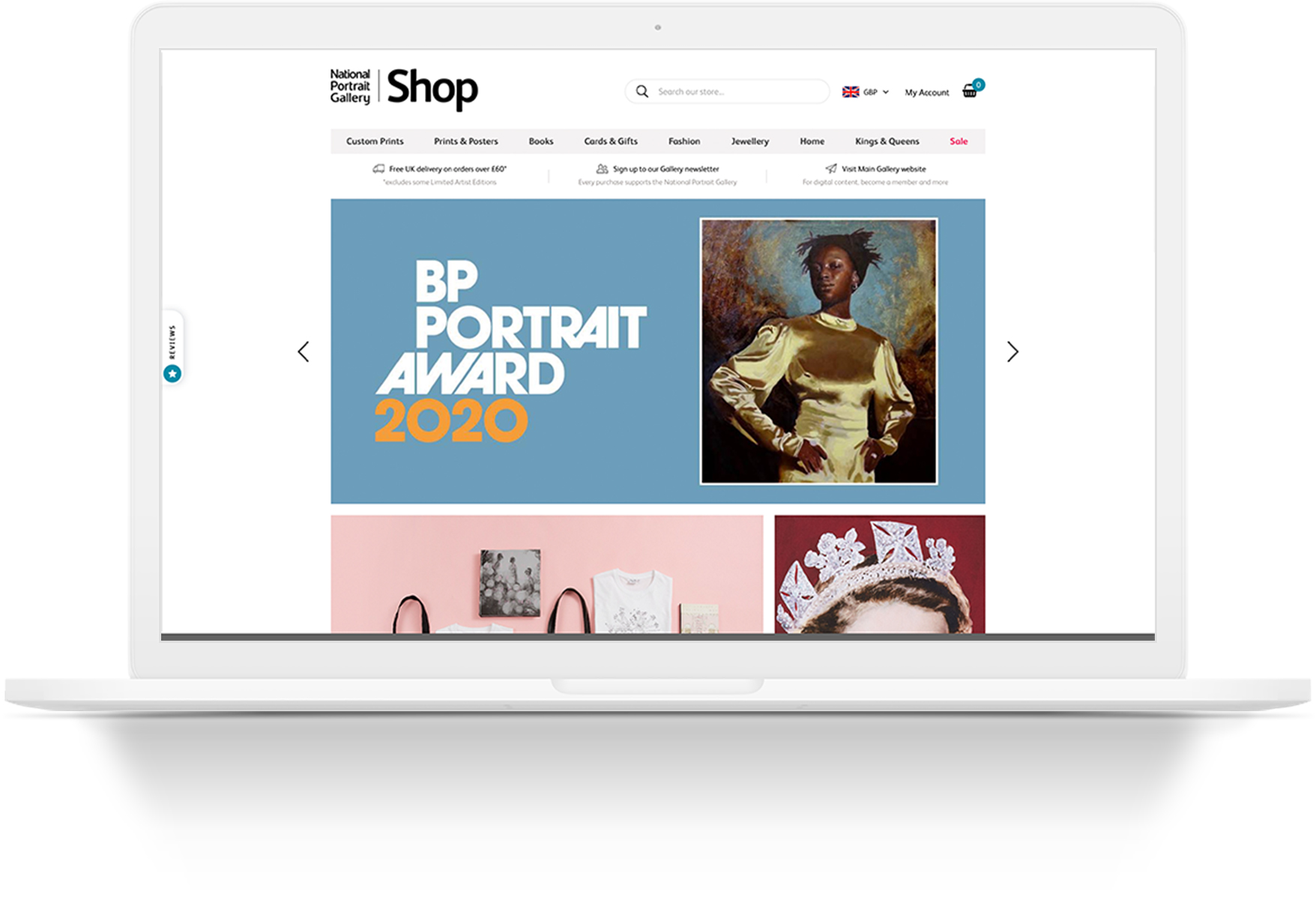
The National Portrait Gallery is an art gallery in London housing a collection of portraits of historically important and famous British people.
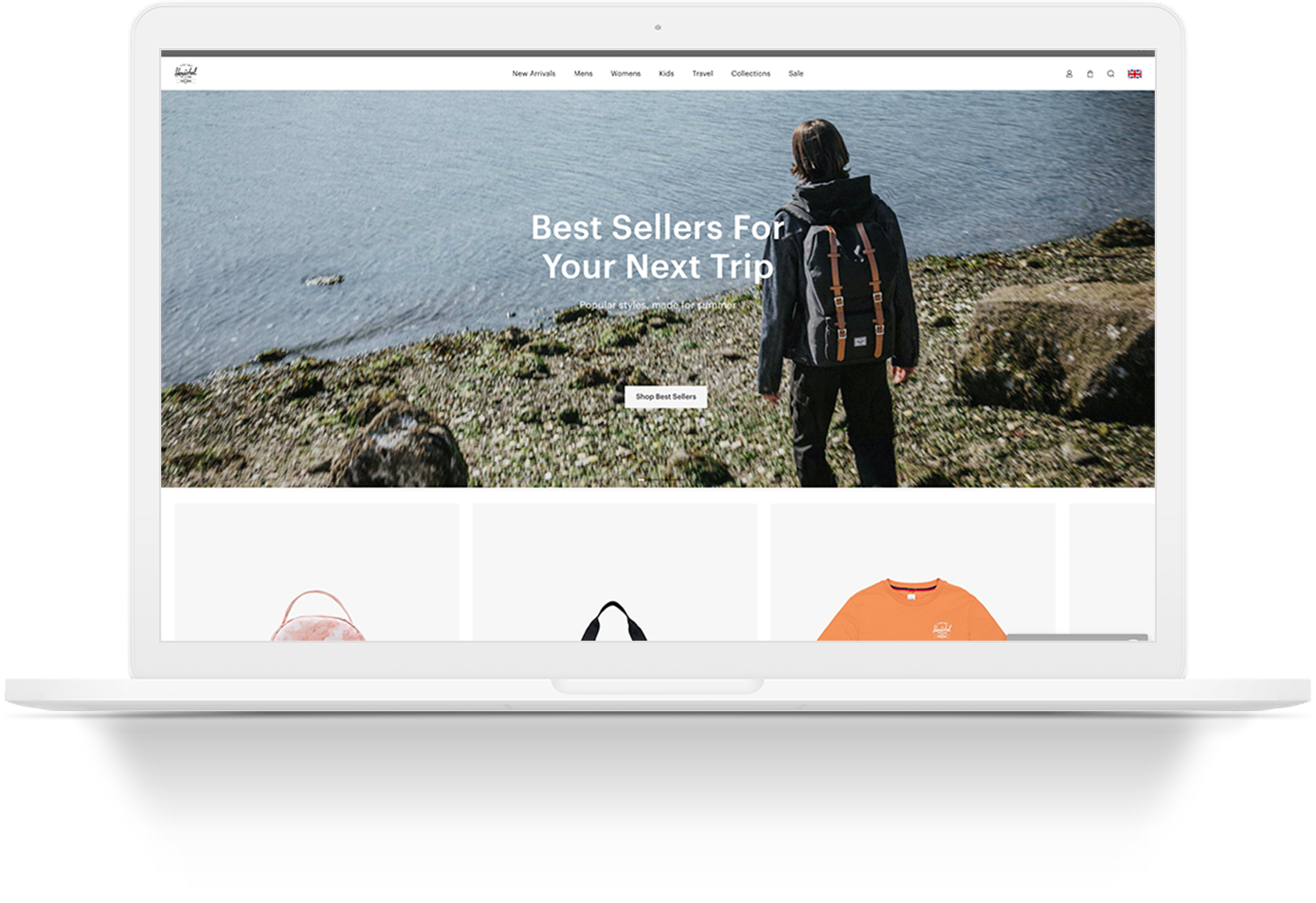
Herschel Supply Co. is a Canadian manufacturer of hipster retro backpacks and accessories. The Herschel Supply Co website foundations are built on the Shopify platform.
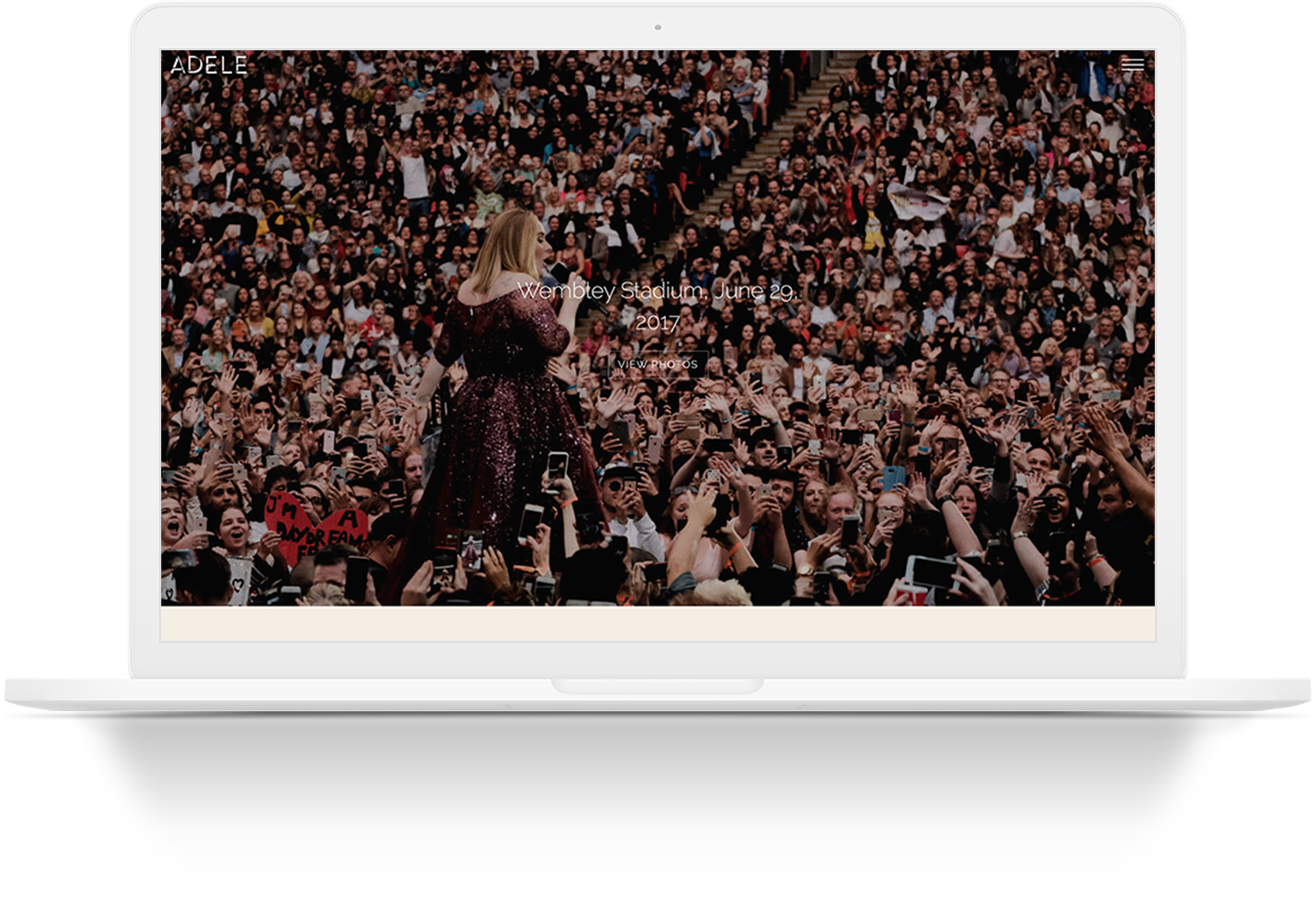
Adele Laurie Blue Adkins MBE is an English singer-songwriter. After graduating from the BRIT School in 2006, Adele signed a recording contract with XL Recordings.
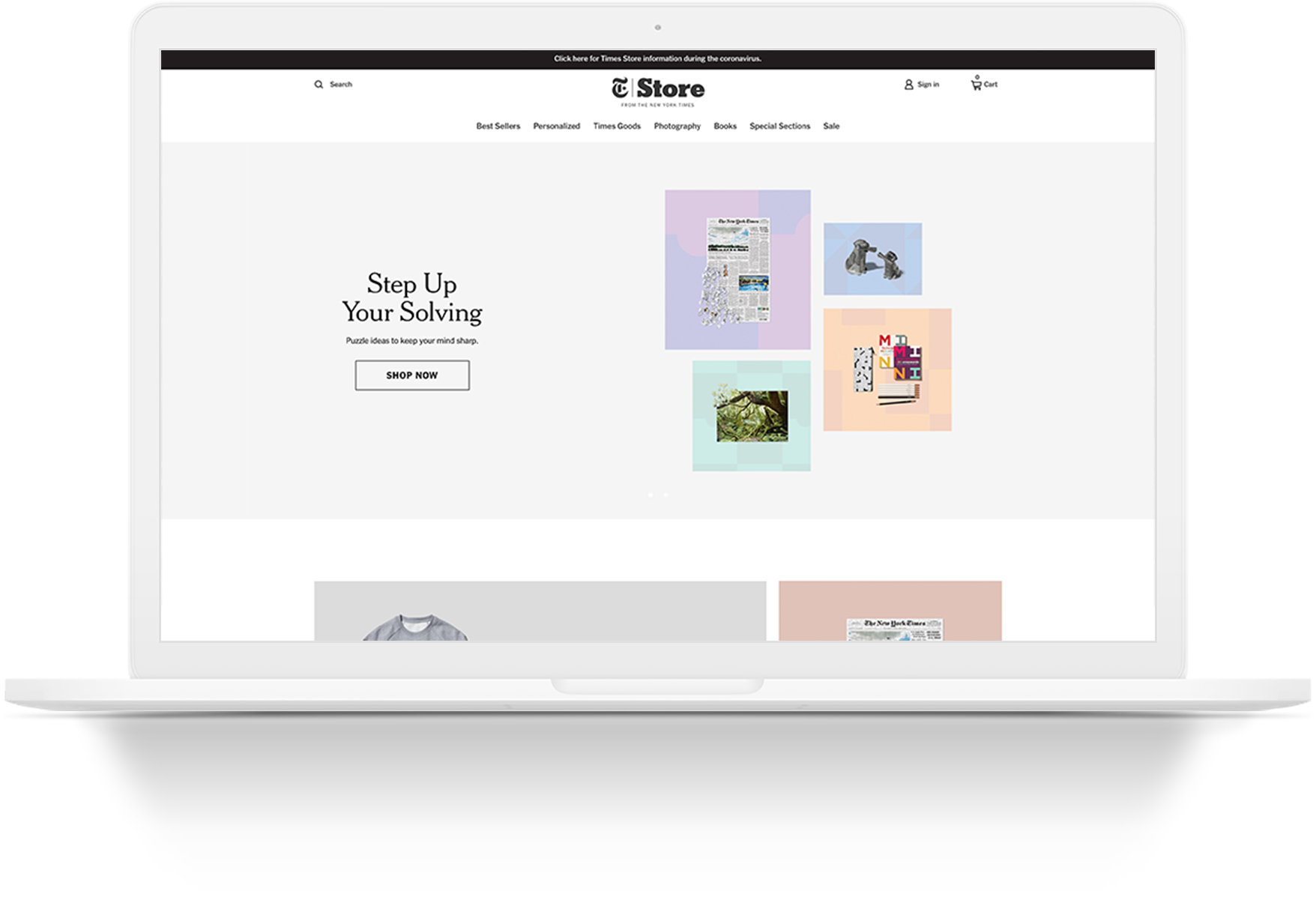
The New York Times is an American newspaper based in New York City with worldwide influence and readership.

Wikipedia is a free online encyclopedia, created and edited by volunteers around the world and hosted by the Wikimedia Foundation. Whilst it is fair to say that Shopify does not power Wikipedia, it does power Wikipedia's merchanise ecommerce store to allow visitors to purchase branded T-Shirts, Socks and more!
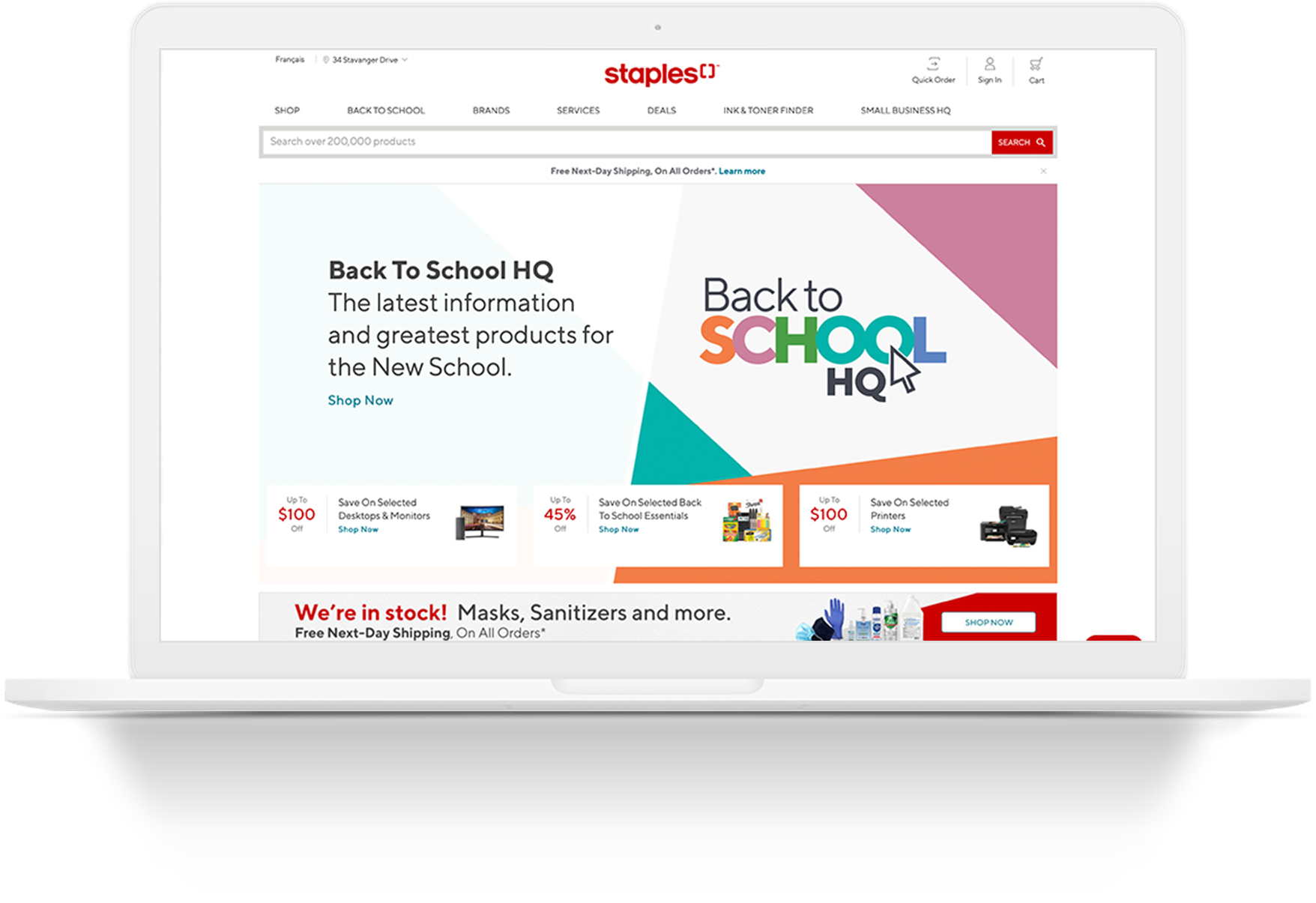
Staples Inc. is an American office retail company. It is primarily involved in the sale of office supplies and related products, via retail channels and business-to-business-oriented delivery operations.
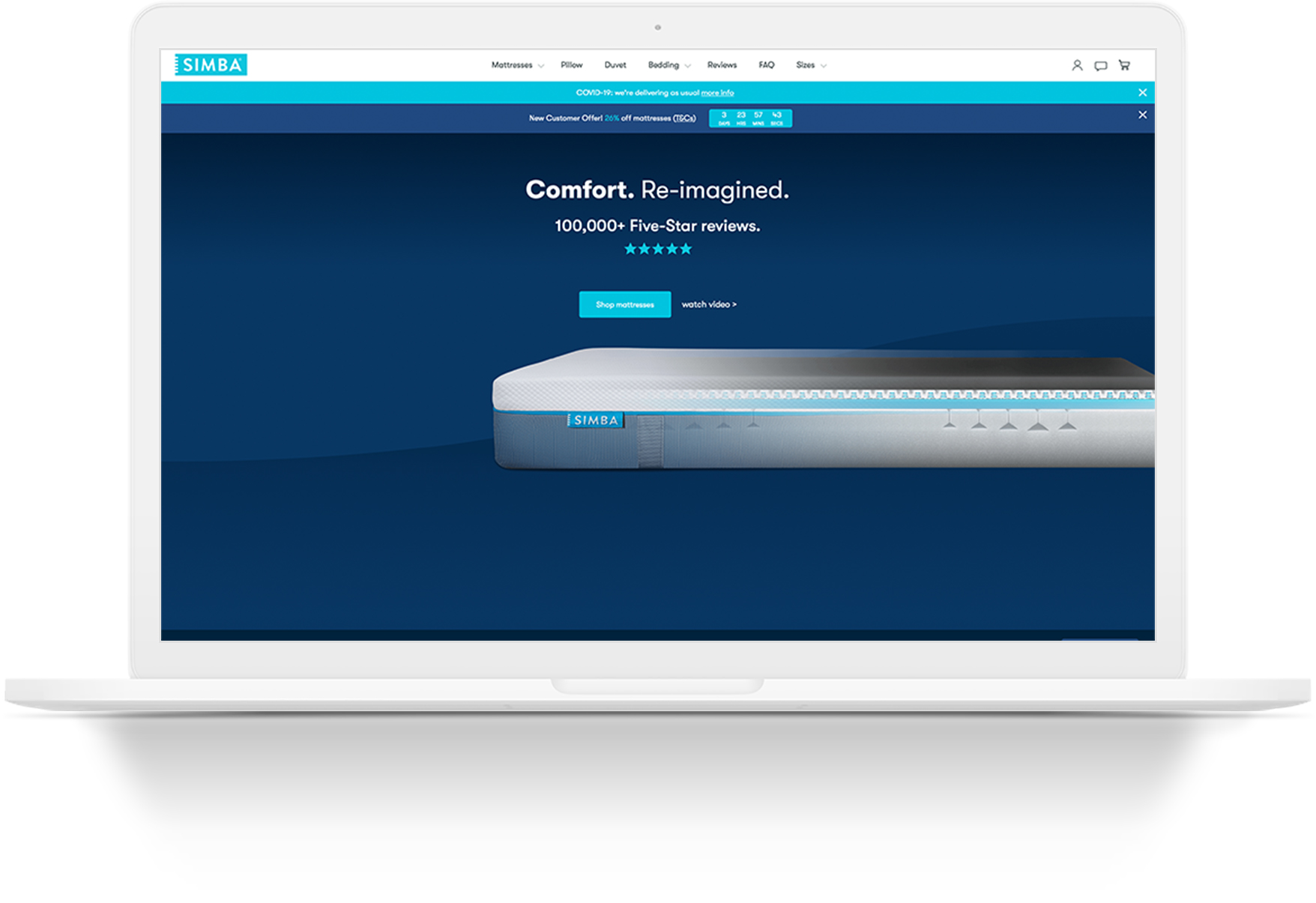
Simba claims its mattresses are the stuff of dreams – the most five-star reviewed mattresses in the world – and come with a simple 10-year guarantee promising a replacement if it fails in that time. The Shopify store really allows customers to feel the comfort the matress brings alongside the science behind it's comfy layers.
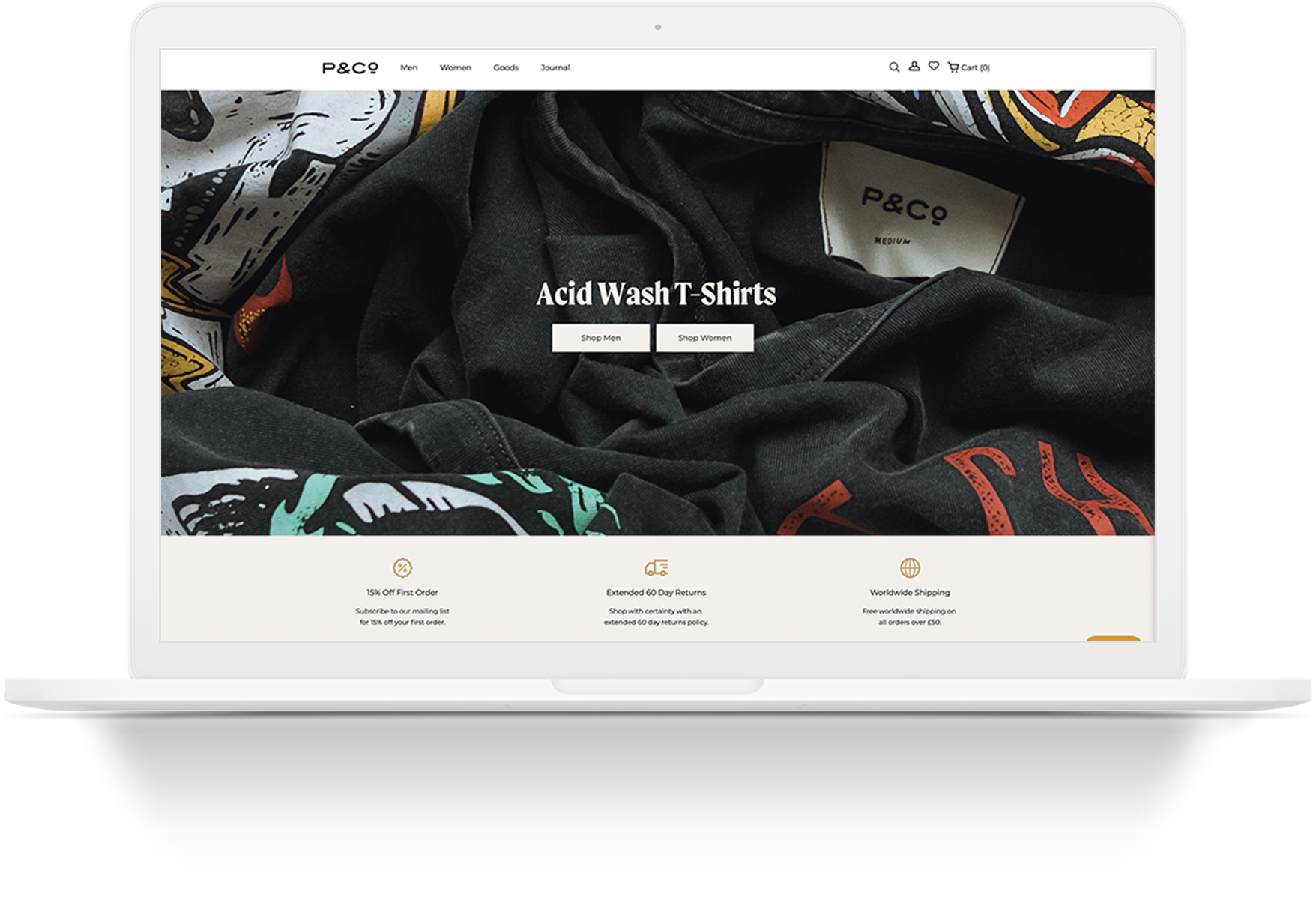
Fashion brand, P&Co use Shopify to power their succesful company. Shop at P&Co for Graphic T-Shirts, Clothing, Accessories & Leather Goods. Discover Men's, Women's and Urban Essentials.
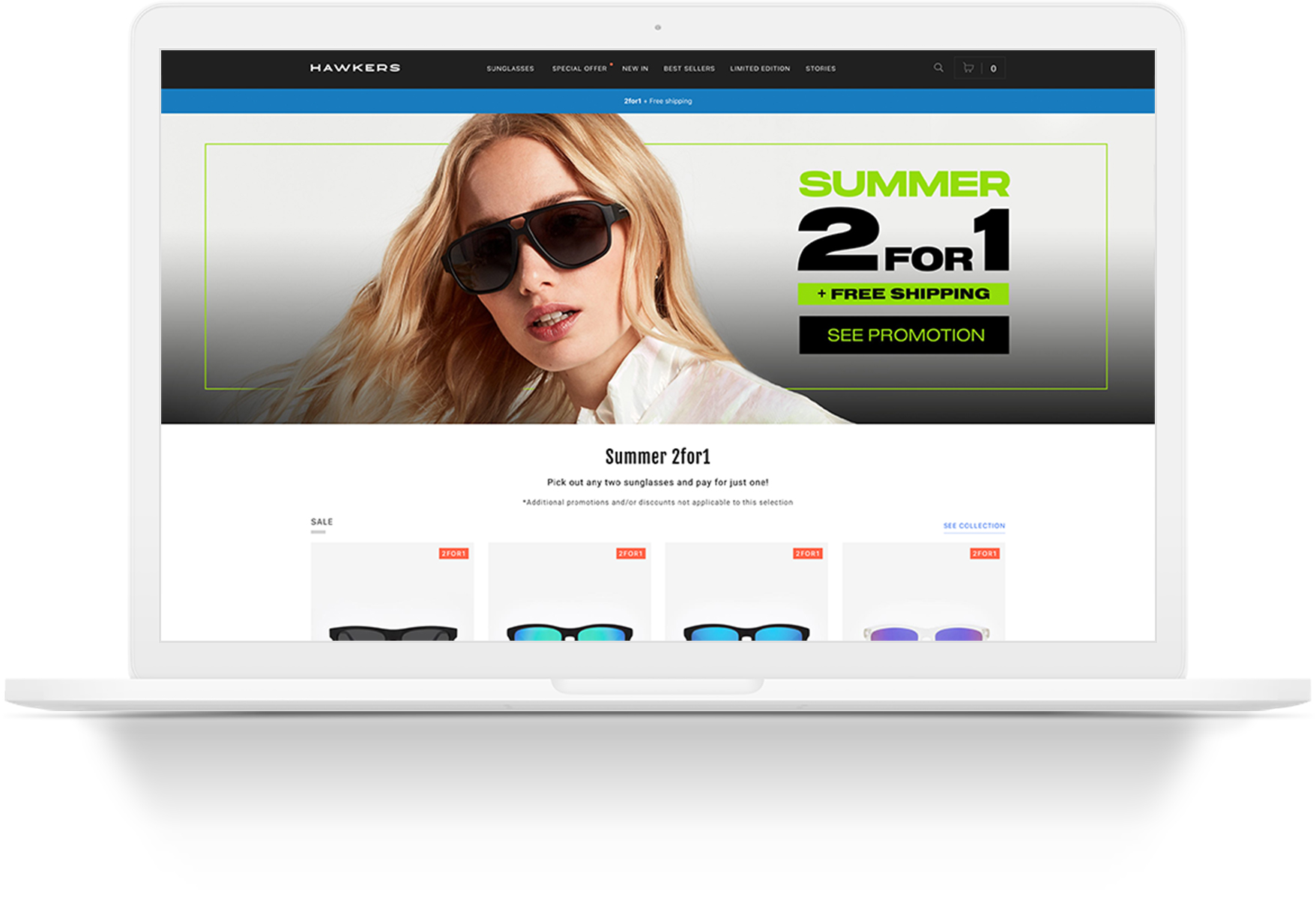
Hawkers is a Spanish brand based in Elche that sells sunglasses using Shopify as its distribution channel.
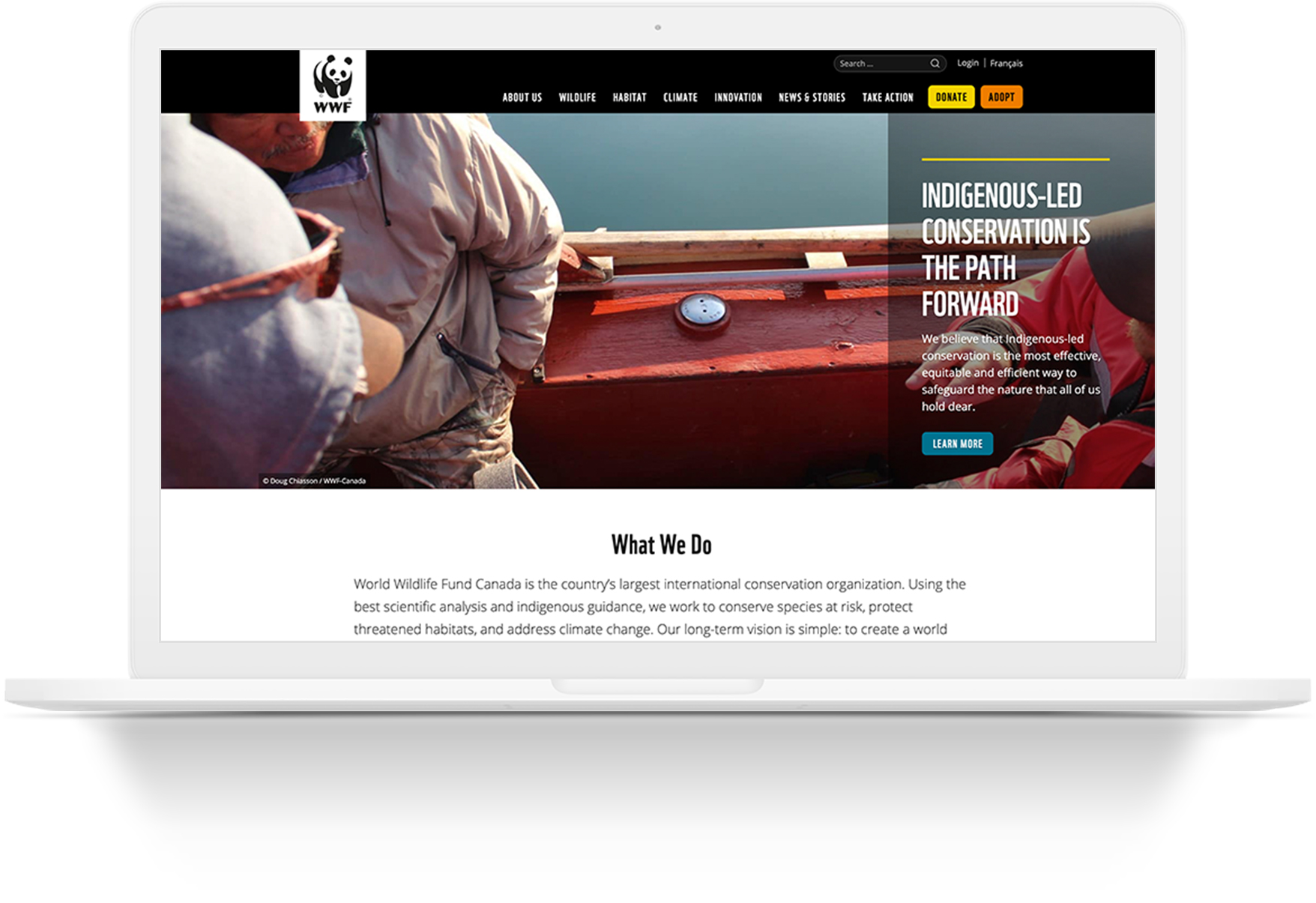
The World Wide Fund for Nature is an international non-governmental organization founded in 1961 that works in the field of wilderness preservation and the reduction of human impact on the environment.
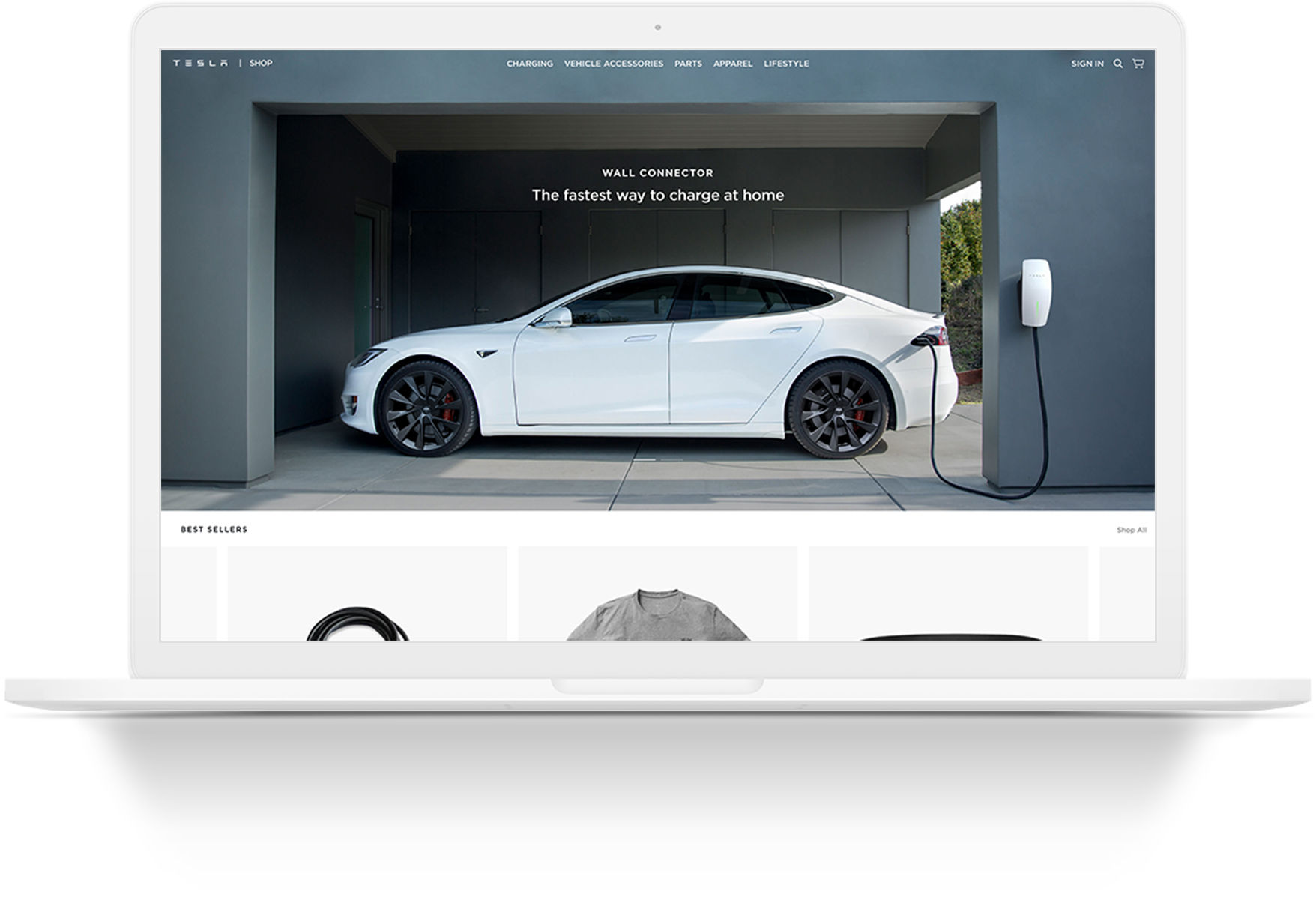
Tesla, Inc. is an American electric vehicle and clean energy company based in Palo Alto, California.
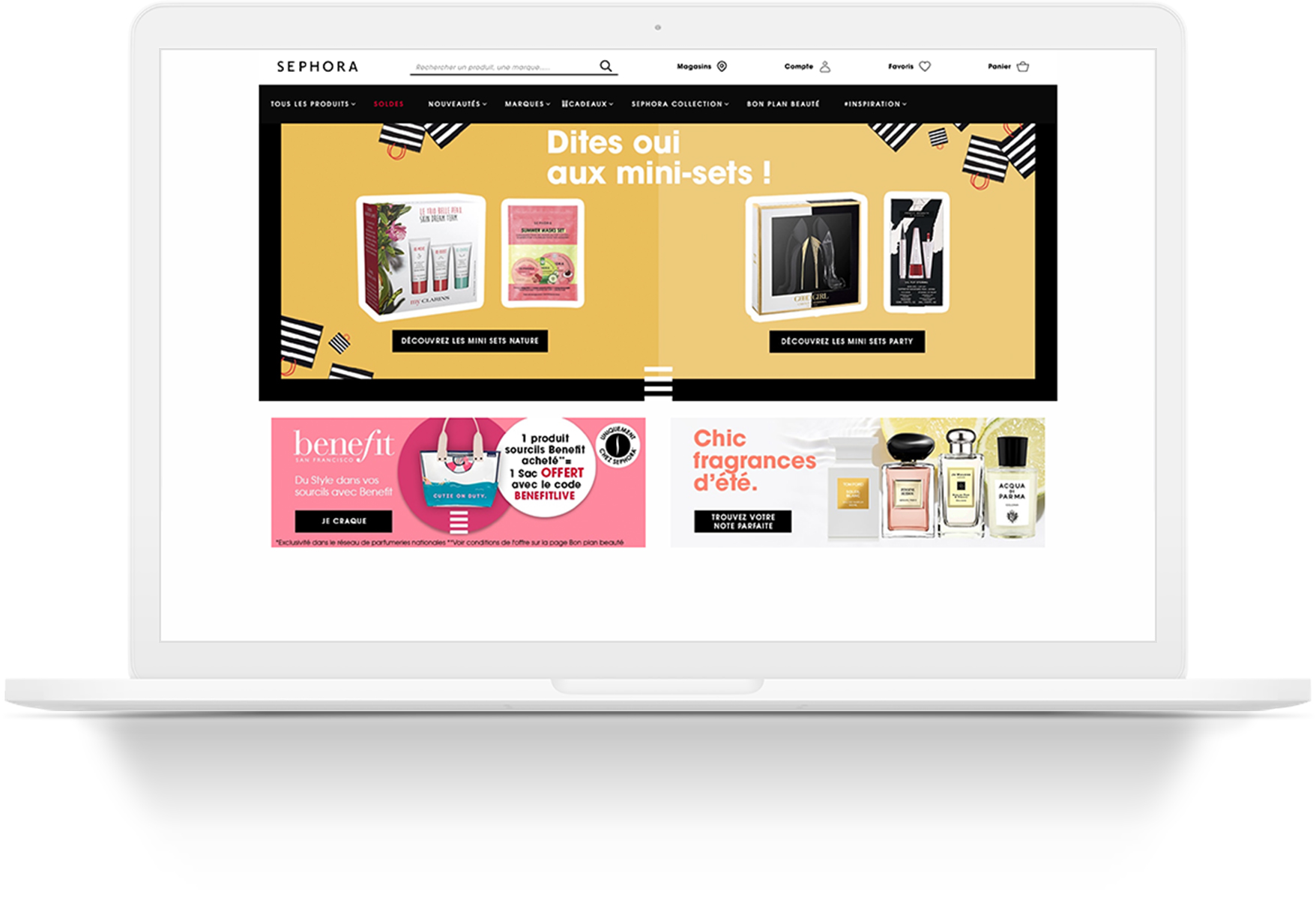
46. Sephora
Sephora is a French multinational chain of personal care and beauty stores. Featuring nearly 3,000 brands, along with its own private label, Sephora offers beauty products including cosmetics, skincare, body, fragrance, nail color, beauty tools, and haircare.
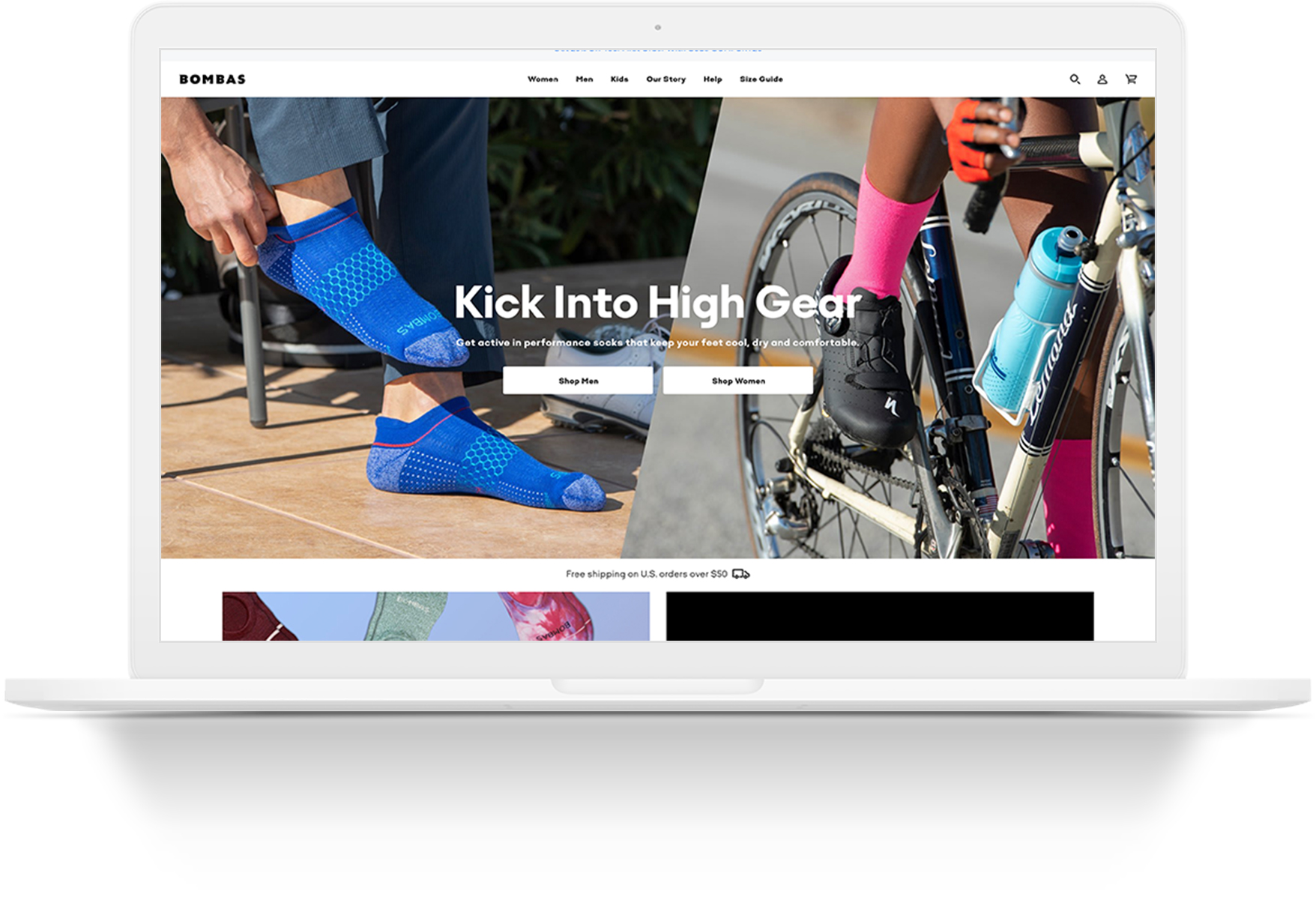
Bombas is an apparel brand. The company originally sold socks and began selling T-shirts in 2019. Shop Bomas apparel on their Shopify store.
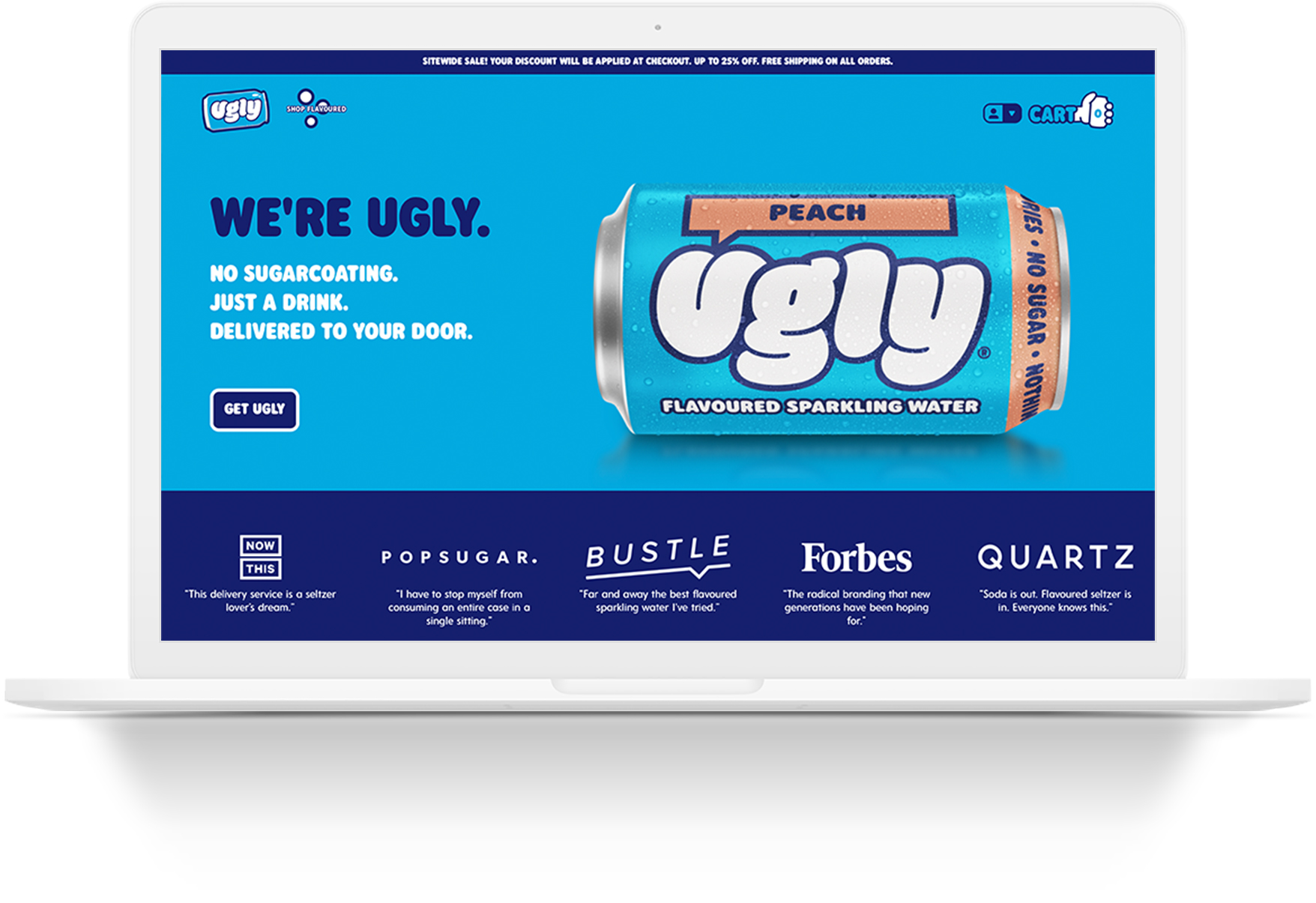
Ugly Drinks founders Hugh Thomas and Joe Benn want to change the way people think about fizzy drinks with their sparking water brand. The website design shows the versatility of customer design and development on the Shopify platform.
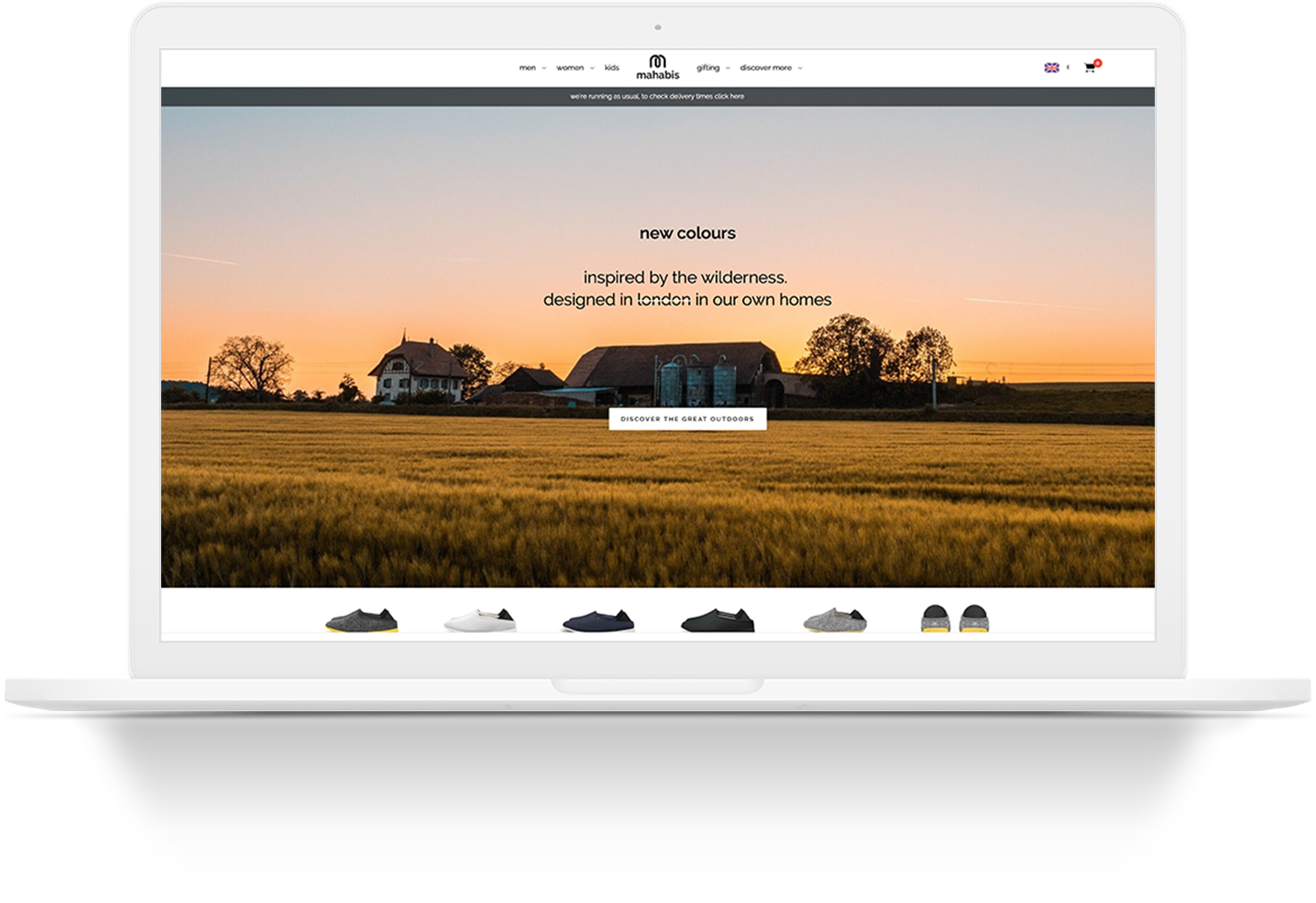
Mahabis, is an e-commerce led, premium lifestyle brand founded in 2014, headquartered in London, with manufacturing in Europe and China. Mahabis specialize in selling slippers for men and women with a distincive style. The store allows customers to really feel the comfort their products offer.
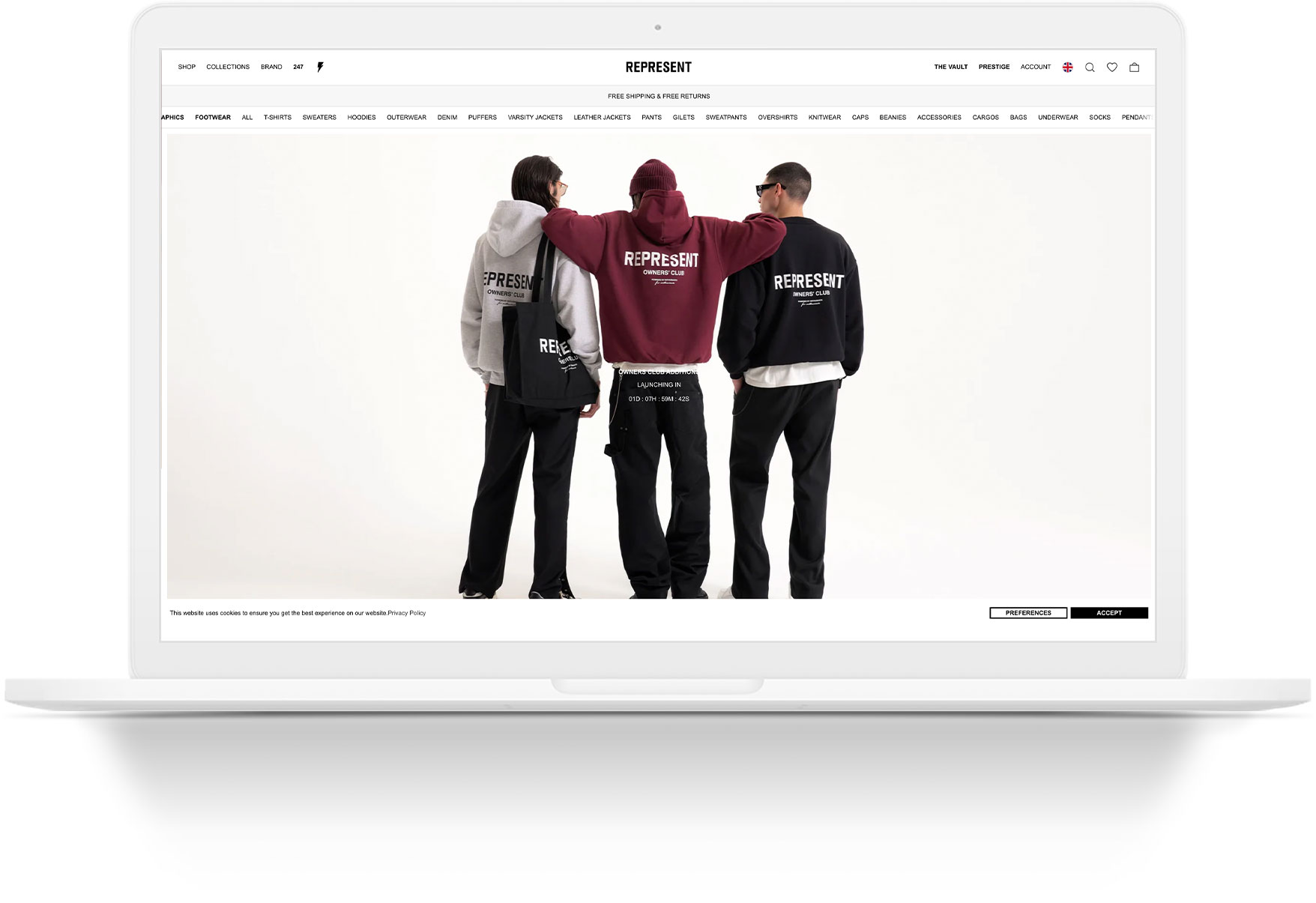
Represent is a British luxury streetwear brand creating the finest garments. The clothing brand have grown exponentially on the Shopify Plus platform and have a large community focussed social media strategy..
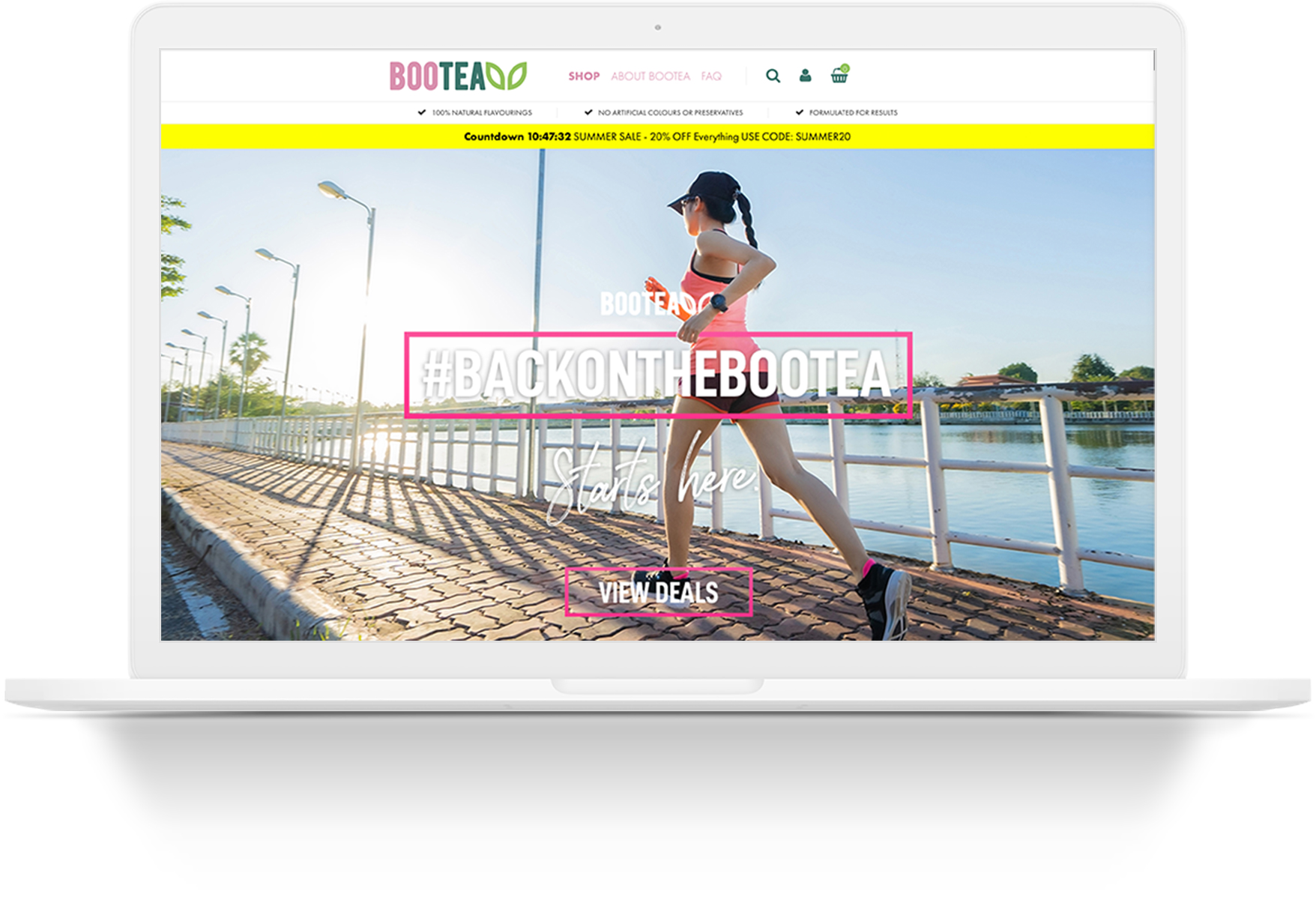
Bootea came along over half a decade ago to shake up the world of detox tea and slimming tea, by concocting a tasty product full of all-natural ingredients. Teatox product by Bootea use Shopify to power their subscription offering and allows customers to purchase their products with ease.
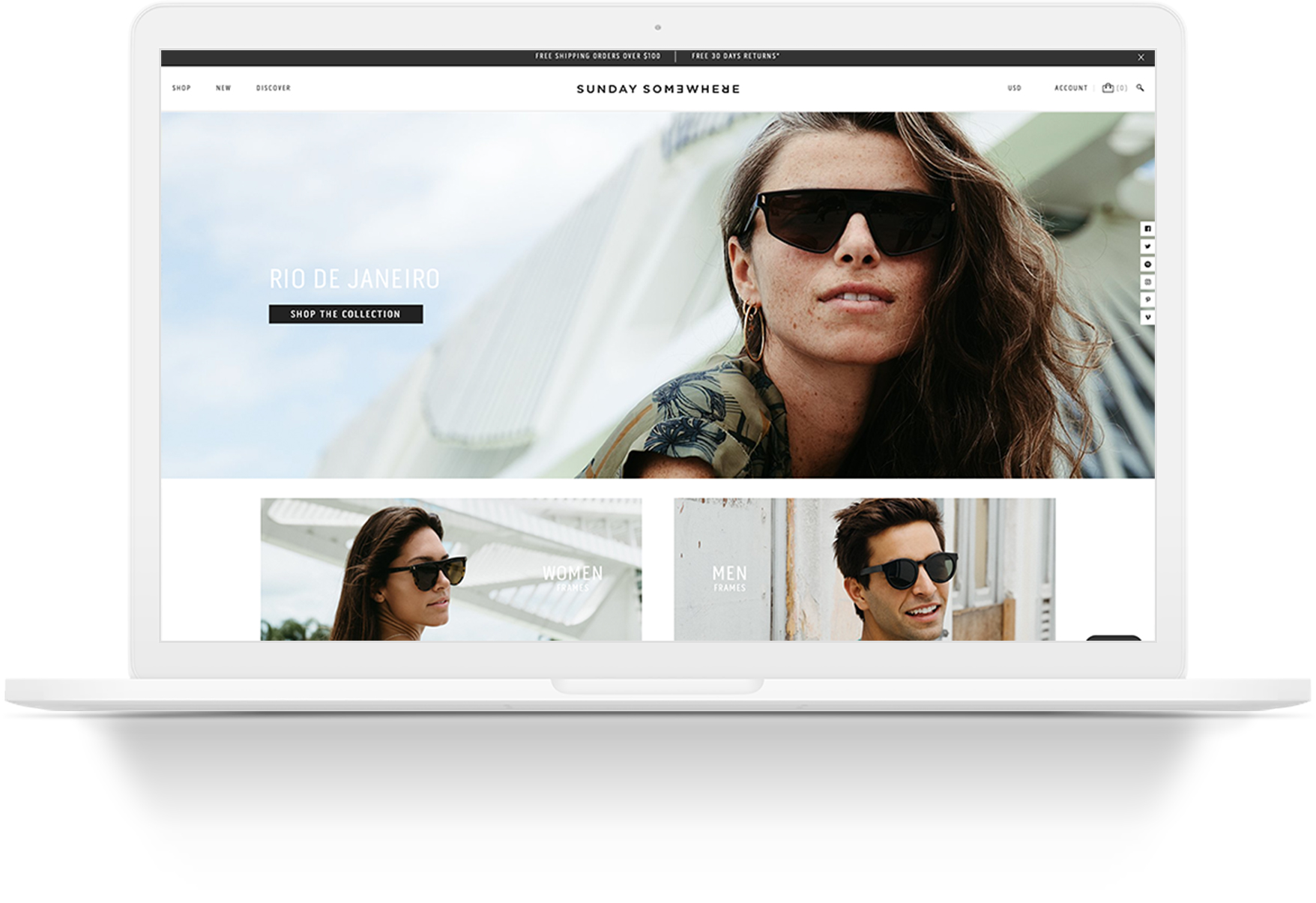
Authentic sunglasses brand use Shopify to power their brand and ecommerce experience. Sunday Somewhere offer Eyewear inspired by the seventies; an era where everyone lived a Sunday. Sunday Somewhere's ecommerce experience definitely does not disappoint with aesthetic UI and intelligent upsells.
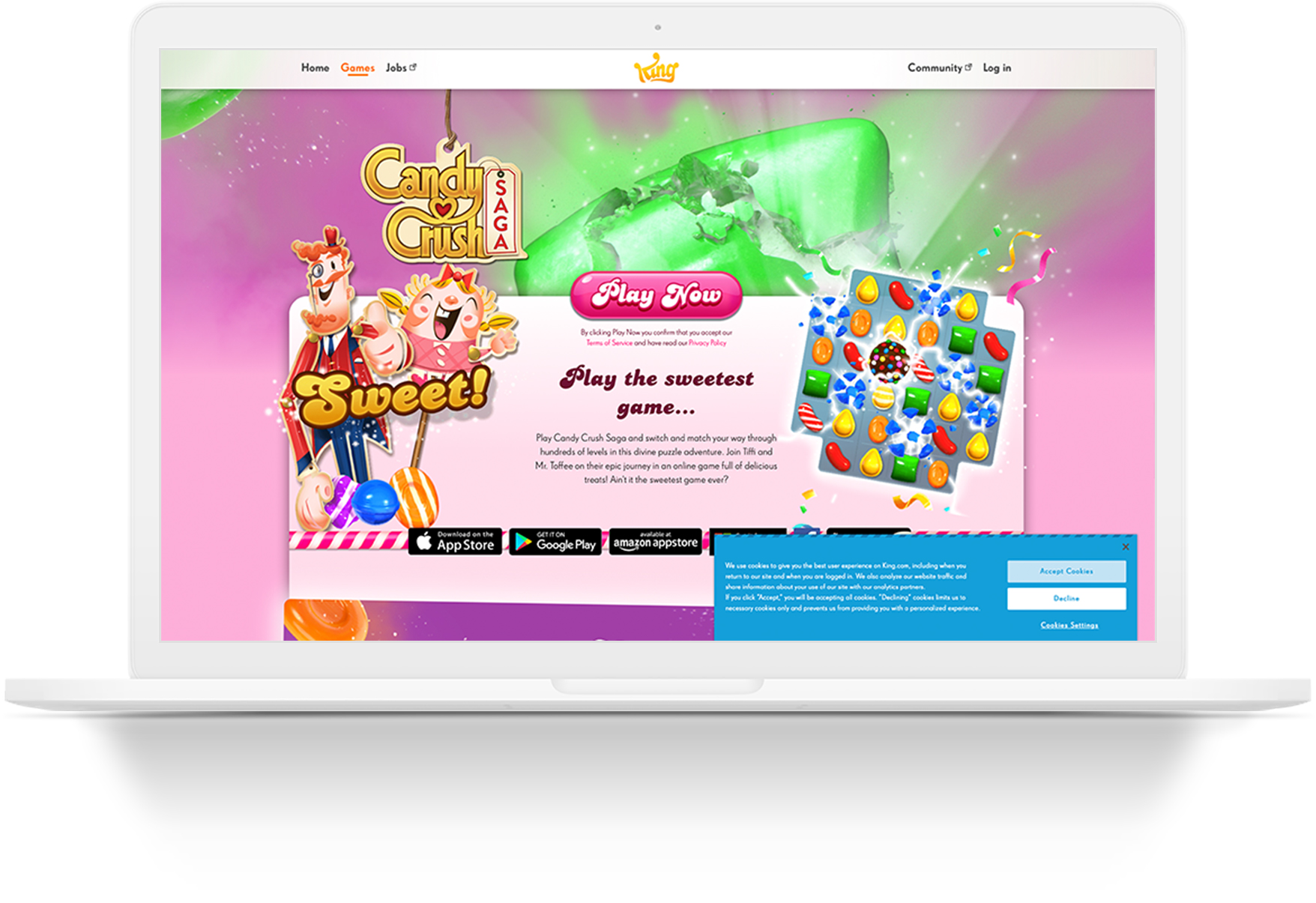
Candy Crush Saga is a free-to-play tile-matching video game released by King on April 12, 2012, originally for Facebook; other versions for iOS, Android, Windows Phone, and Windows 10 followed. It is a variation of their browser game Candy Crush. The brand uses Shopify to sell to it's customers online.
Why do big brands choose Shopify and Shopify Plus for ecommerce?
Big brands choose Shopify and Shopify Plus to power their ecommerce websites as the platform comes equipped with a large number of advanced features that other platforms require significant development investment in. Also the platform includes hosting and security which is not included with platforms like Magento and more. Shopify offers unlimited sales, products, collections and more and brands receive Shopify's 24/7 support should they need it. Shopify seems the obvious choice for modern ecommerce.
What is the biggest Shopify brand?
Whilst it's difficult to keep up to date a track of the biggest (by revenue) ecommerce brands that use Shopify however it is speculated that brands such as Color Pop, GymShark or Jeffree Star Cosmetics take the highest amount of revenue via Shopify.
Why should I choose Shopify as my ecommerce platform?
Shopify is a complete ecommerce platform that allows businesses to sell online with outstanding order / customer management and features that keep your customers coming back. Shopify merchants have access to thousands of trusted third party apps from the Shopify app store - the capabilities of Shopify are continually developing by a network of expert technology partners. Shopify comes with everything from backend to frontend technology to manage your store.
Learn more about why you should choose Shopify.
That's a wrap of our list for the biggest ecommerce brands and names are powered by Shopify and Shopify plus.
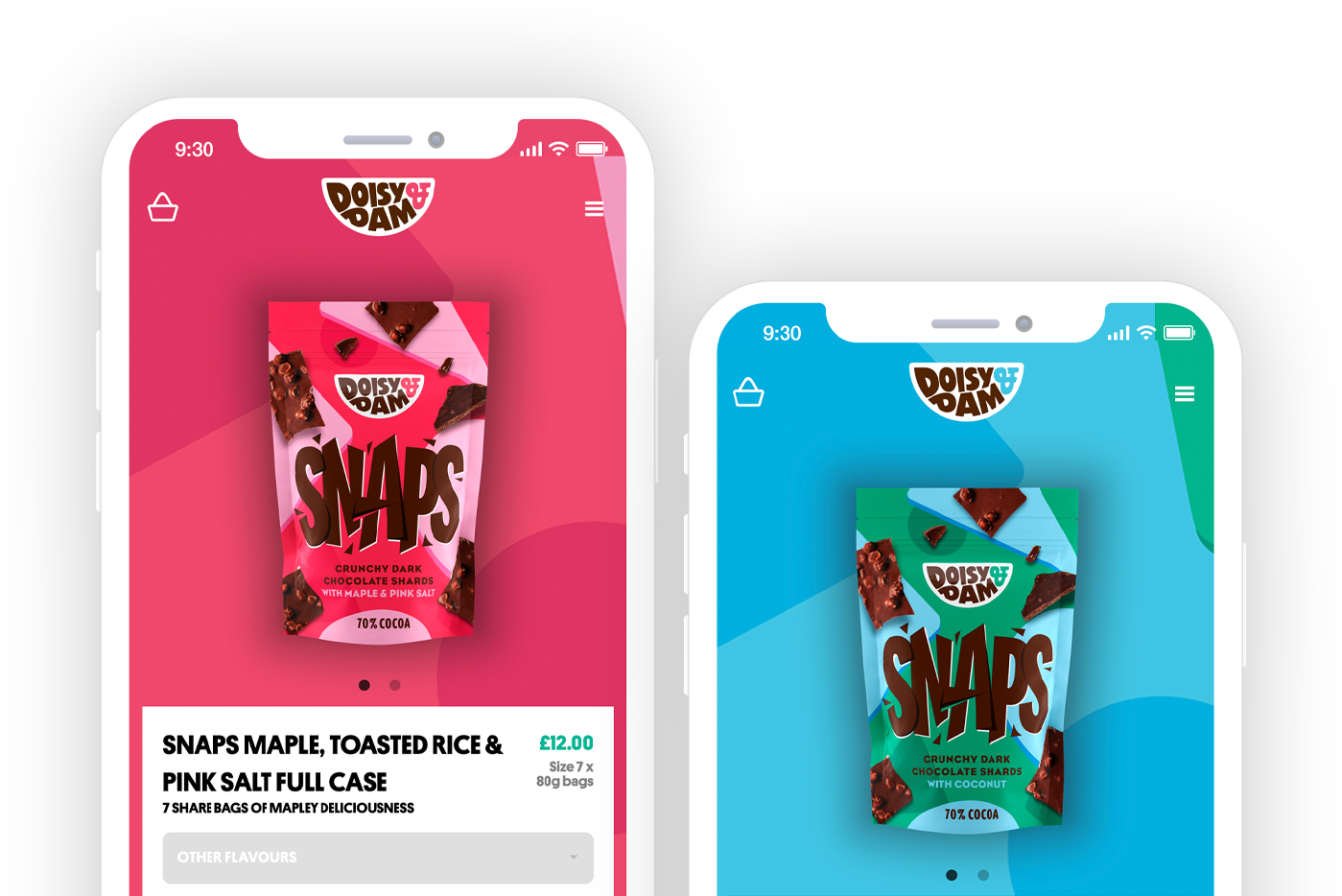
So there you have it, our ultimate list of 53 of the biggest brands and names on Shopify and Shopify Plus. You can see how even though all of these brands of powered by Shopify they still have their own unique branding, fonts and experience whilst all benefitting from the best checkout process. The key take home here is the diversity we can see amongst the merchants, from chocolate to gymwear Shopify has the agility and flexibility to power it. The shire power of the Shopify platform that allows merchants create the vision, content and online experience to tailor a shopping experience for their customers that meets their needs, with relatively low investment is what is bringing so many brands to Shopify.


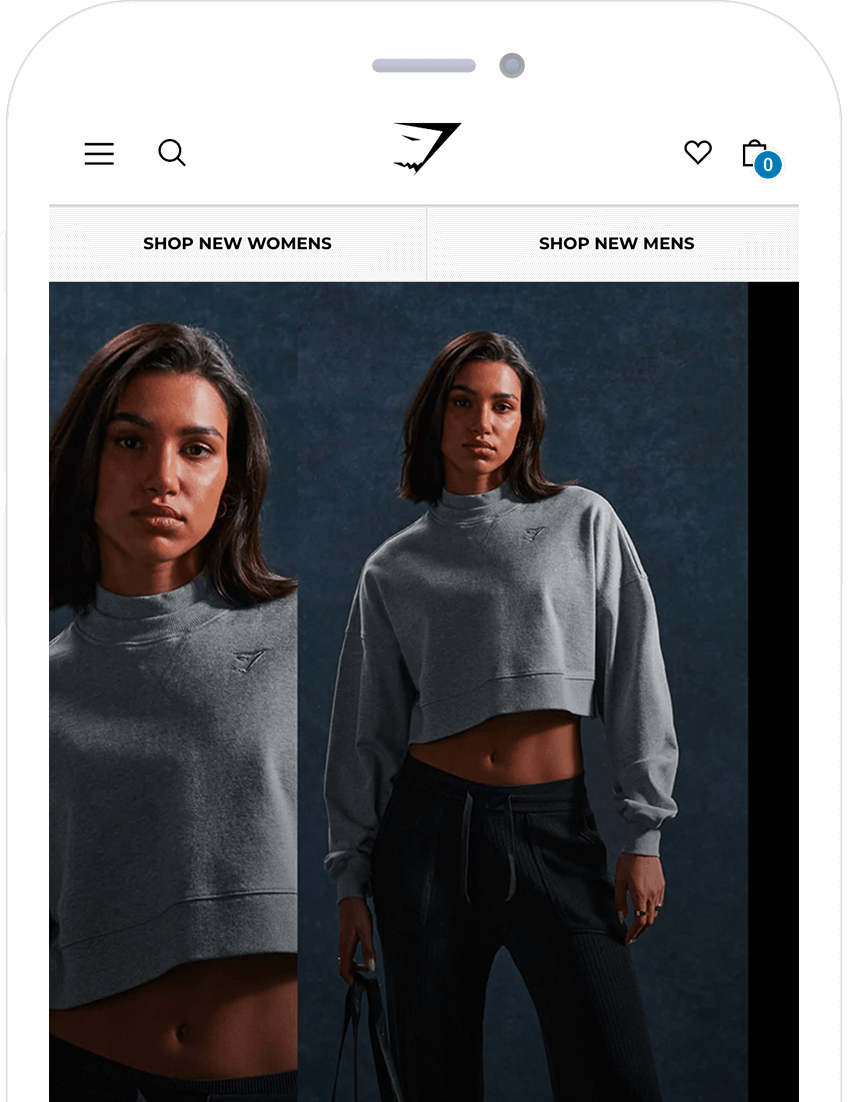












 Bespoke Shopify Plus Websites